Flax, Hemp and Nettle Textiles:
Fibre, Cloth and Colour as Living Practice
8th - 12th March, 2027
Immersive Residential
Explore the possibilities of plant-based textiles and reconnect with the materials, skills and traditions that shape our everyday textiles. Through practical workshops led by three experienced practitioners, discover the art of transforming natural fibres into beautiful, useful materials. Combining creativity, heritage and ecological design thinking, this course offers fresh perspectives on textile making and imagining a more viable future for all.
Key Information
-
A beautiful location in our local bioregion of South Devon.
-
Monday 8th - Friday 12th March, 2027.
-
£625 - £920
-
This is a highly practical and hands-on course providing technical skills and textile making knowledge.
Course Overview
In a world where the remaining fossil fuels are left in the ground and we transition into what we hope to be a low energy, craft and culture rich future - we will be feeding and clothing ourselves locally and sustainably, using a range of plants, in ways that more closely resemble the complex ecology of the natural world.
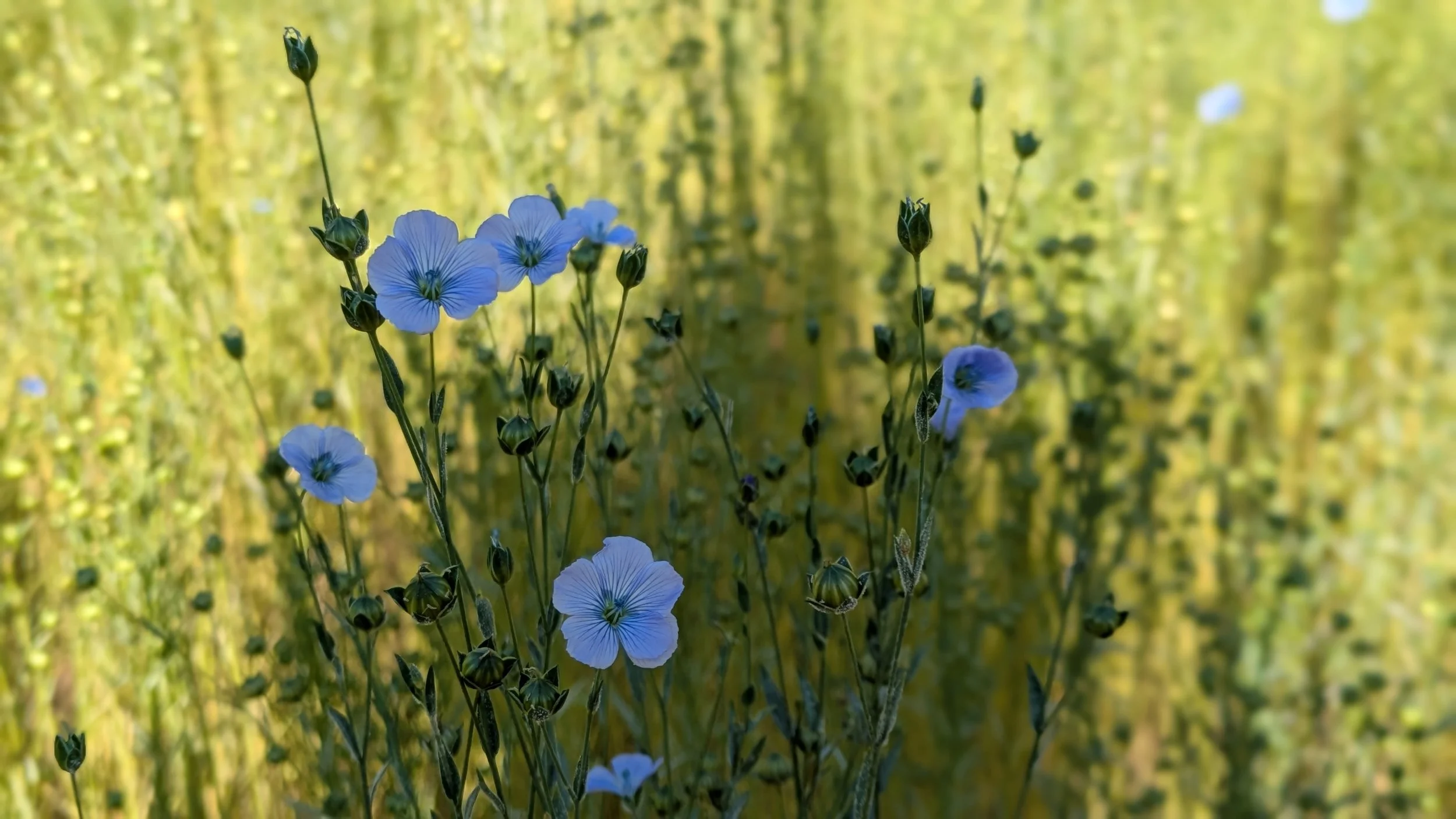
In this course we will take a close look at fibres, textiles and clothing, particularly the three primary bast fibre plants of flax, hemp and nettle. These fibres have a long history of usage in Europe and the UK and are currently undergoing an artisanal and bioregional renaissance. Inspired by bioregionalism, commoning and ‘small is beautiful’ economic theories, three leaders in the field of community scale fibre growing, foraging and small-scale textile production have come together to facilitate this unique course, weaving together their collective knowledge and experience to provide a unique yet broad perspective.
This course is highly practical and hands-on, providing technical skills in making textiles alongside the wider knowledge needed around production and practice. Whilst learning the hands-on skills of making textiles such as spinning, weaving and natural dyeing, participants will also engage with cultivation techniques, textile history, small-scale production methods and generally understanding how we can support agroecological textiles in the UK.
Course Structure
This course provides a holistic overview of the skills and knowledge needed to create ecological textiles that can be safely returned to the earth at the end of their useful life.
Participants will come away with a hand made textile or yarn and an understanding of the cultural, ecological and economic context of this approach to clothing and the reasons why such a change is something to be embraced and celebrated.
On this course, you will learn:
About the history and context of textiles in our landscape, how fashion and farming are related and how the principles and methods of small-scale community growers and makers can be applied to textiles.
About the relationship of textiles to agroecology, the ecosystems of bioregional production and how to organise working together.
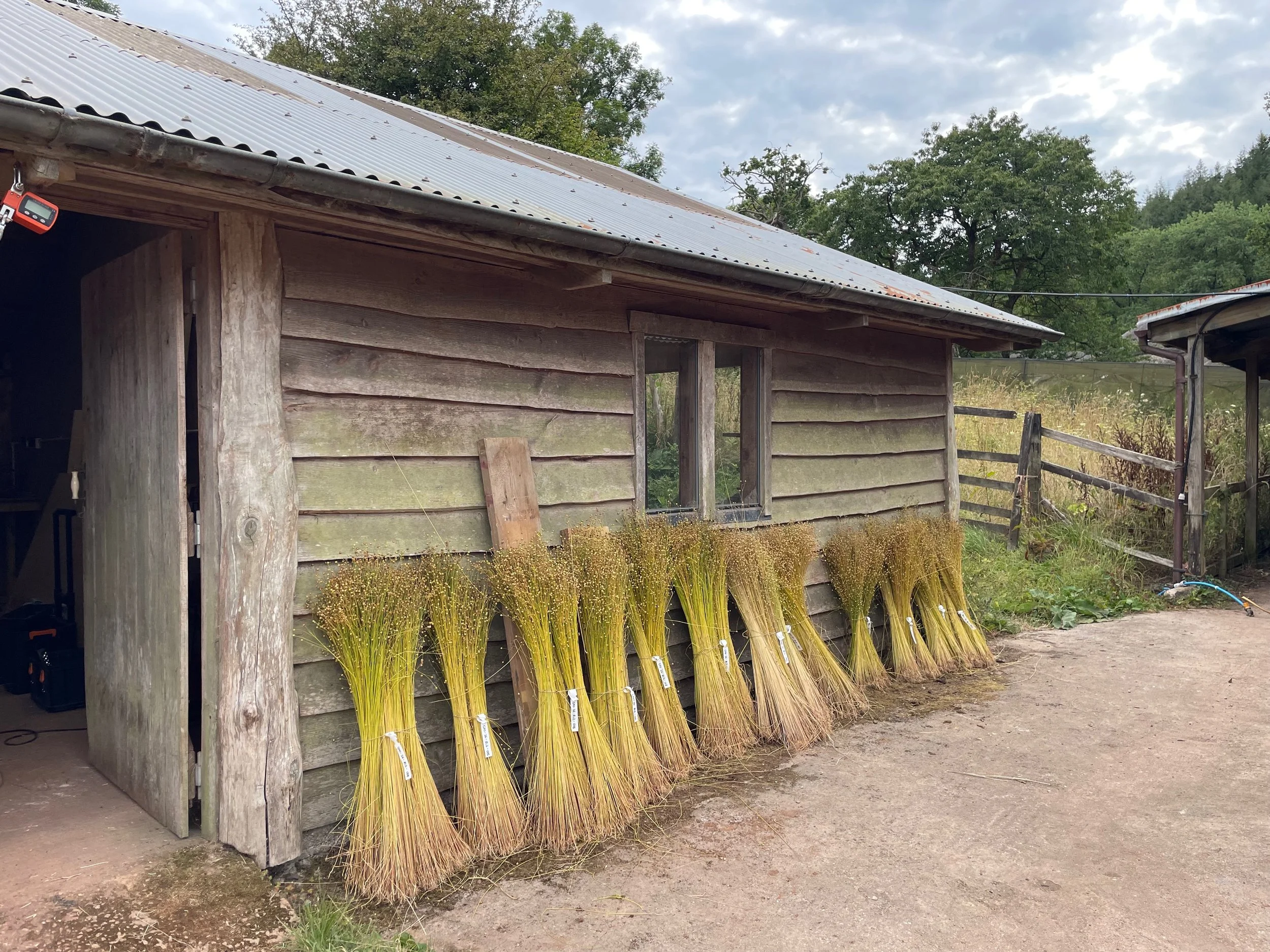
How to grow hemp and flax and forage nettles, looking at both their similarities and differences to understand how these key plants work within the ecology of regenerative, low impact growing systems.
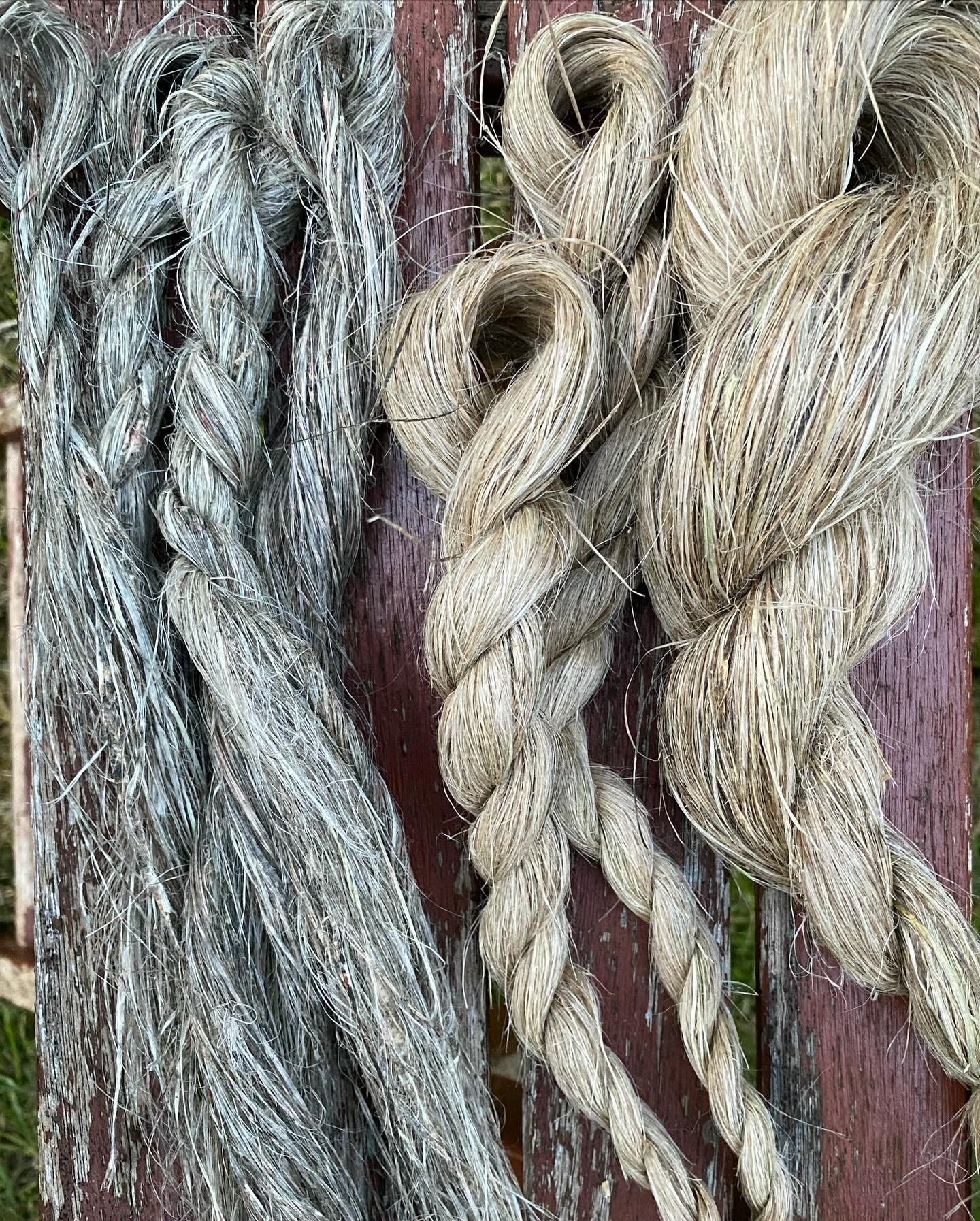
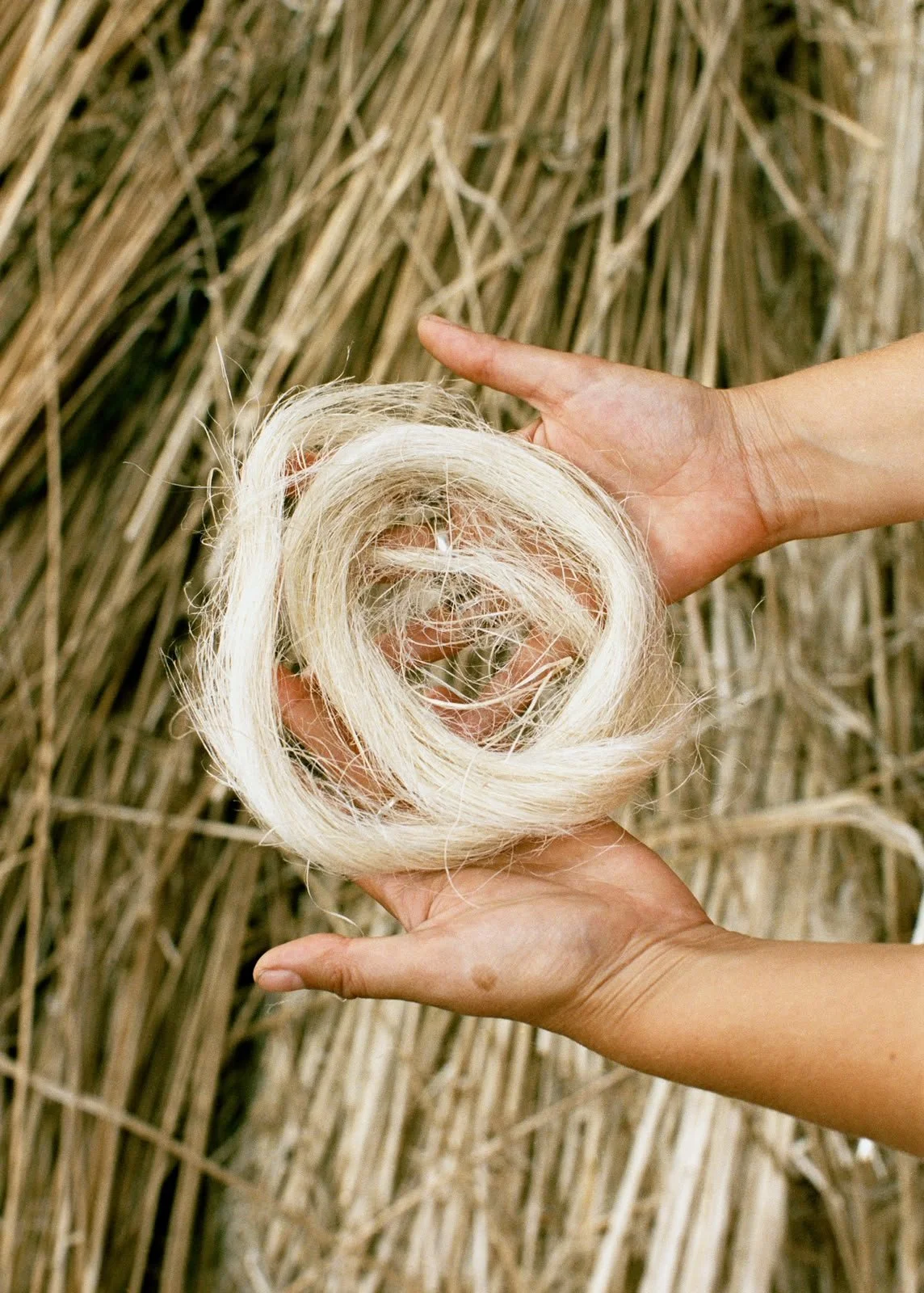
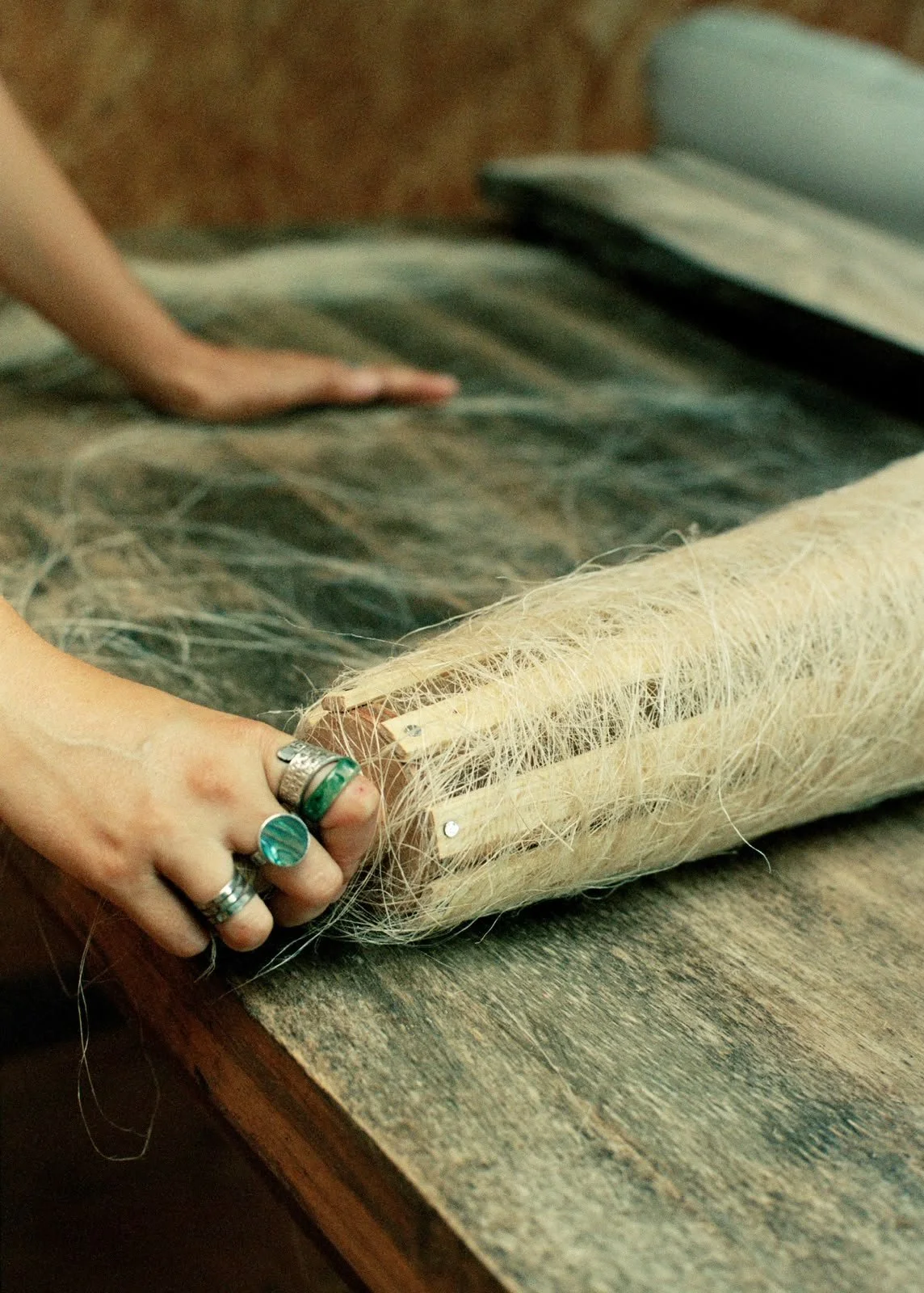
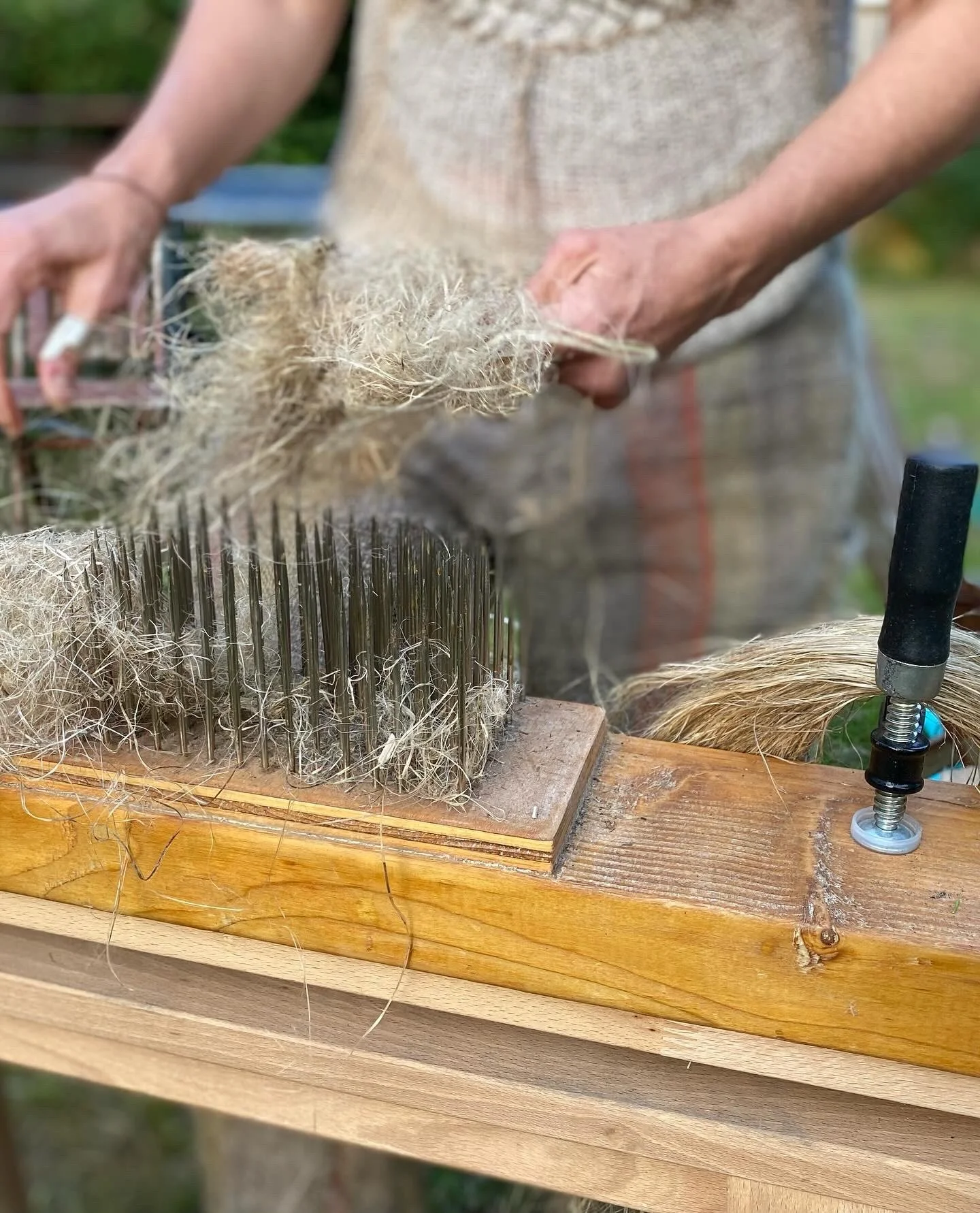
Best practices to prepare the plants for fibre extraction through retting, moving on to processing including breaking, scutching and hackling fibre in preparation for spinning.
How to hand spin tow, long line fibre, using wet and dry spinning techniques.
How to prepare yarns and cloth for natural dyeing, learn how to create a range of beautiful colours and explore the basics of weaving and cordage making.
Why Join This Course?
This course offers an alternative response to the challenges of modern fashion, including large-scale waste, high CO2 emissions, fossil fuel dependence, high energy use, and poor human rights. If we don’t build local, place-based economies, we unnecessarily burden other parts of the world to procure our material culture. How do we change such a huge system?
During this course, you will learn the practical skills and knowledge needed to discover a kinder way to produce textiles that are in harmony and balance with the natural world. This unique offering brings together three renowned experts for a deep dive into three different, but related textile fibres that can be sustainably produced in the UK.
In close community with others from different backgrounds within the textile field, you will immerse yourself in practical making skills layered with complementary theory exploring the heritage and handmade to industrial aspects of the clothing and textile industry.
Through hands-on making and shared learning, you will explore how hemp, flax and nettle; as fibres that can be grown with care in the UK, can offer alternatives to the resource-intensive global textile industry. Bringing together practical skills and complementary theory, the course connects traditional craft with contemporary approaches to more sustainable textile production.
Together, we will explore how local, community-led growing and making can reconnect fashion with farming and local economies. Grounded in agroecology and the principles of bioregional production, the course offers a deeply practical experience of textiles that nurture local landscapes, strengthen communities and create a more balanced relationship between human need and the living world.
Resources
Fee
£625 - £920 (non-residential, single and shared rooms)
Facilitators
Zoe Gilbertson
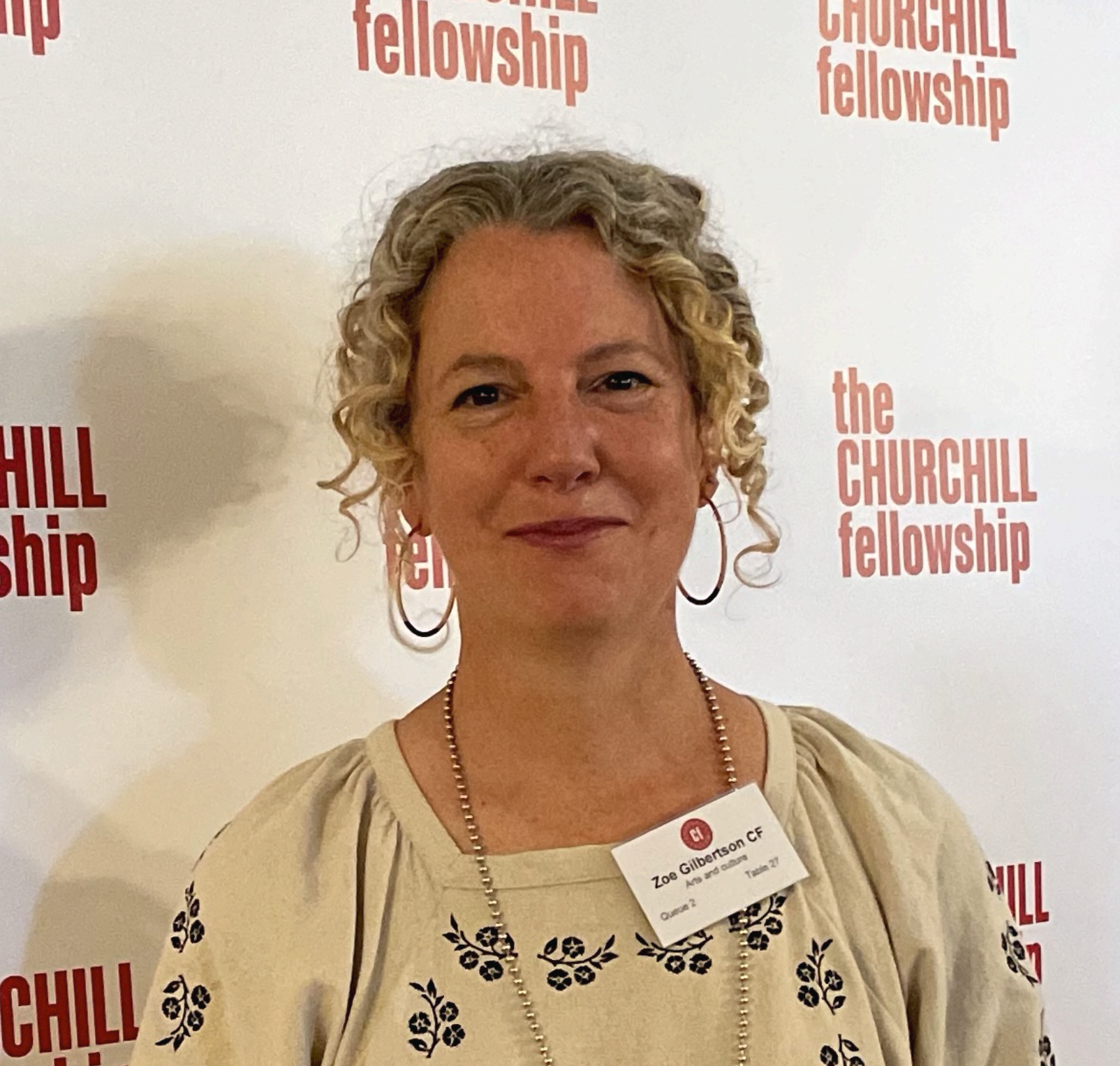
Zoe Gilbertson is a designer/maker/educator and alumni of Schumacher’s Ecological Design Thinking MA. She’s founder of Liflad CIC, a design lab reimagining local textile production and co-founder of Devon Grows Flax a project engaging communities across Devon in the heritage and wonders of flax. Her collaborative project, Common Cloth Works is developing small-scale flax infrastructure and knowledge to support the production of locally made linen cloth.
Zoe is an experienced educator who has taught at Falmouth University, Central St Martins, Black Mountain College and The Apricot Centre. She is growing and processing flax and indigo on a farm near Totnes.
Allan Brown
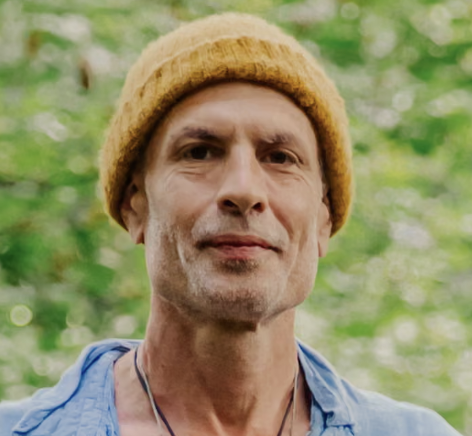
Allan Brown is a spinner and weaver of nettles, flax and hemp, with a focus on crafts and natural fibres using time-honoured traditional techniques. He has been teaching and sharing these textile skills for over a decade and is well known as the maker of ‘The Nettle Dress’ film.
Allan has appeared on numerous podcasts such as Accidental Gods, Garmology, the Long Thread Podcast and School of Stitched Textiles and his work has been featured in The Guardian, The Times, Resurgence Magazine, Craft and Rake’s Progress amongst others. He is a member of the Heritage Craft Association, The Guild of Weavers, Dyers & Spinners and a long-term allotment holder and grower of food, fibre and dye plants.
Kitty Wilson-Brown
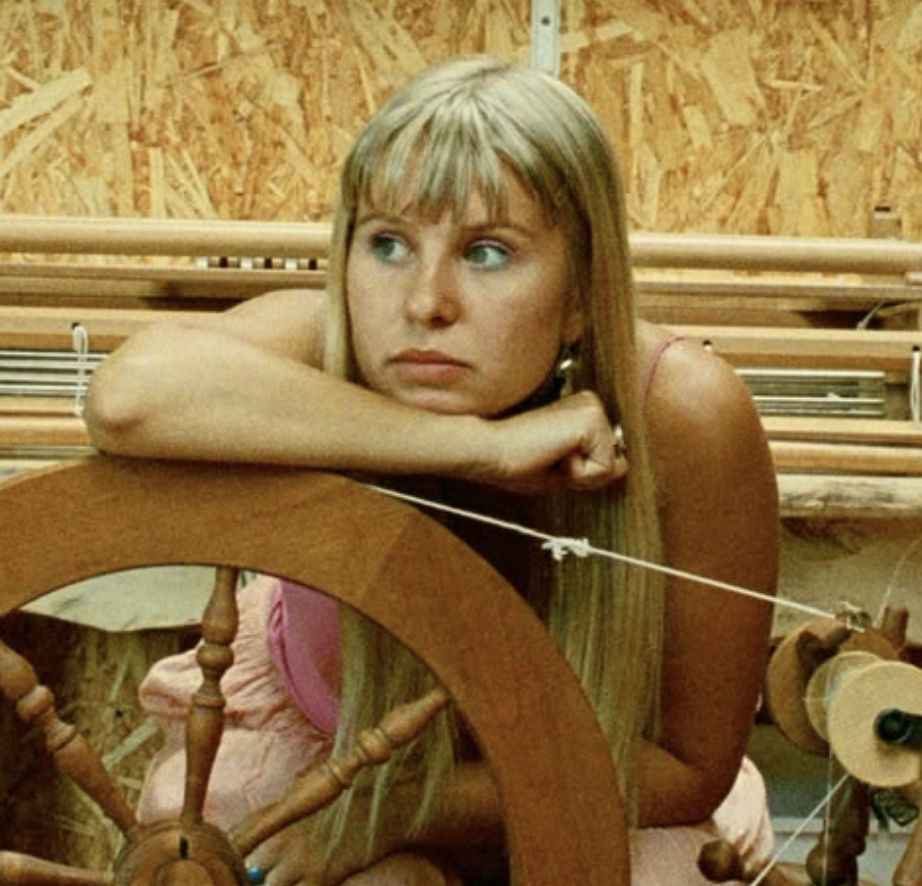
Kitty Wilson-Brown is a multidisciplinary textile artist, weaver and natural dyer fascinated by how colour influences our perception of the world. In 2021 she co-founded Contemporary Hemporary, a project cultivating hemp for textiles at Wakylyns Farm, Suffolk. Kitty runs Hemp Harvest Retreat, a vibrant festival celebrating hemp and all other natural textiles and dyes, she’s completed research trips to Southeast Asia, exploring traditional textiles, particularly among hemp textiles and regularly teaches workshops on hemp, weaving and natural dyeing. Kitty lives at Wakelyns agroforestry farm where she grows flax, hemp, and natural dye plants, and forages for dyes and fibres.
Frequently Asked Questions
-
This course is for anyone interested in cloth, clothing, textiles and materials made from our natural landscapes. It is open to beginners and those with experience who wish to deepen their knowledge. This could be makers, knitters, weavers, spinners, sewists, designers, natural dyers, growers, allotmenteers, gardeners, permaculturists. For anyone looking to develop the practical skills needed to grow and make their own clothes and people wanting to understand how we can change the wider fashion industry for good.
-
No, we welcome people from all backgrounds. Please let us know if you have any specific needs and we’ll do our very best to ensure you feel fully welcomed and cared for in the group.
-
This is a 5-day immersive in-person course, in community with others. Each day offers a full agenda. We invite you to participate with presence.
-
All materials will be provided. Participants are invited to bring their own spindles, but this is not a requirement. Feel free to also bring anything that may support your comfort. Some sessions will be held outside and weather during spring can be changeable, so please come prepared with suitable outdoor clothing, footwear and a water bottle.
What Participants Say…
“Zoe Gilbertson is re-imagining the fashion industry from the ground up, literally. In an effort to curb the ecological harms of fast fashion, Gilbertson is figuring how fibre crops like hemp and flax could be grown locally to produce textiles and, in the process, catalyse bioregional clothing cultures. She is one of few people actually doing the practical work that's needed for transition”.
- David Bollier, Commons Scholar and Activist