Hand, Mind, Material:
Reclaiming Agency and Relationship
26th February - 4th July 2027
Immersive Residential & Online
Key Information
-
A beautiful location in our local bioregion of South Devon.
-
26th February - 4th July 2027
-
£XXX - £XXX
-
The course offers three modules including both residential stays and online learning.
Course Summary
Our ancestors developed skill, community, agency and language through using their hands to make things they needed. Our relationship with the more than human world has changed from necessary interdependence to isolation, fragmentation and consumerism. This course asks how nurturing the relationship between our hands, minds and the materials around us help us regain autonomy and resilience.
Rooted in Schumacher’s long tradition of embodied learning, our new course Hand Mind Material invites us to foster an active relationship with our lived environment through engaging our hands in the processes and practices of making. Rather than mastering technique, we will seek to hone our felt senses in order to better understand the reciprocal nature of things; how in engaging bodily we give ourselves agency both individually and collectively.
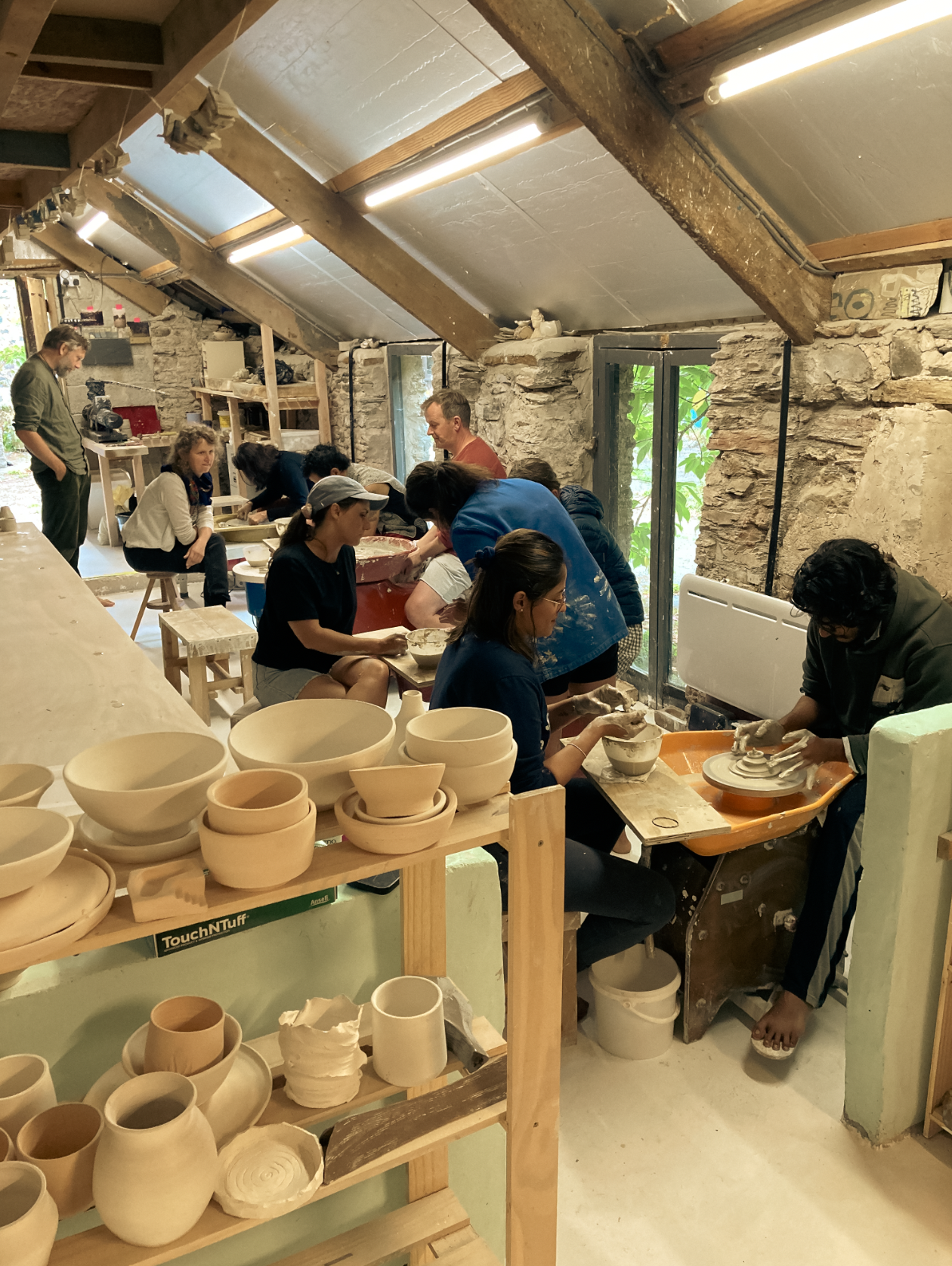
We will learn through conversations, selected readings, and from workshops in which we will use our hands in a variety of ways such as mark-making, carving, dyeing, braiding and weaving. You will be asked to focus on a practice of your choosing in the time between residentials. This can be something familiar or unfamiliar to you, conventional or outside of the box. Whatever it is it will be your interface between your personal learning and the communities of which you are a part.
Course Structure
The course includes 3 distinct modules. Modules 1 and 2 start with a 10 day immersive residential stay and continue with 6 online sessions. Module 3 is focussed purely on the residential element and so closes on the last day of the experience. Both the online and residential sessions offer a combination of teaching and learning sessions, 1-1 tutorials and peer group meetings to allow for plenty of opportunities to learn with your tutors and from other course participants. Together, we will form a close learning community where everyone has the space to share and explore their unique perspectives, reflections and skills as the course develops.
Module 1 - 26th Feb to 7th Mar:
Encountering the Self: Practice as a way of paying attention
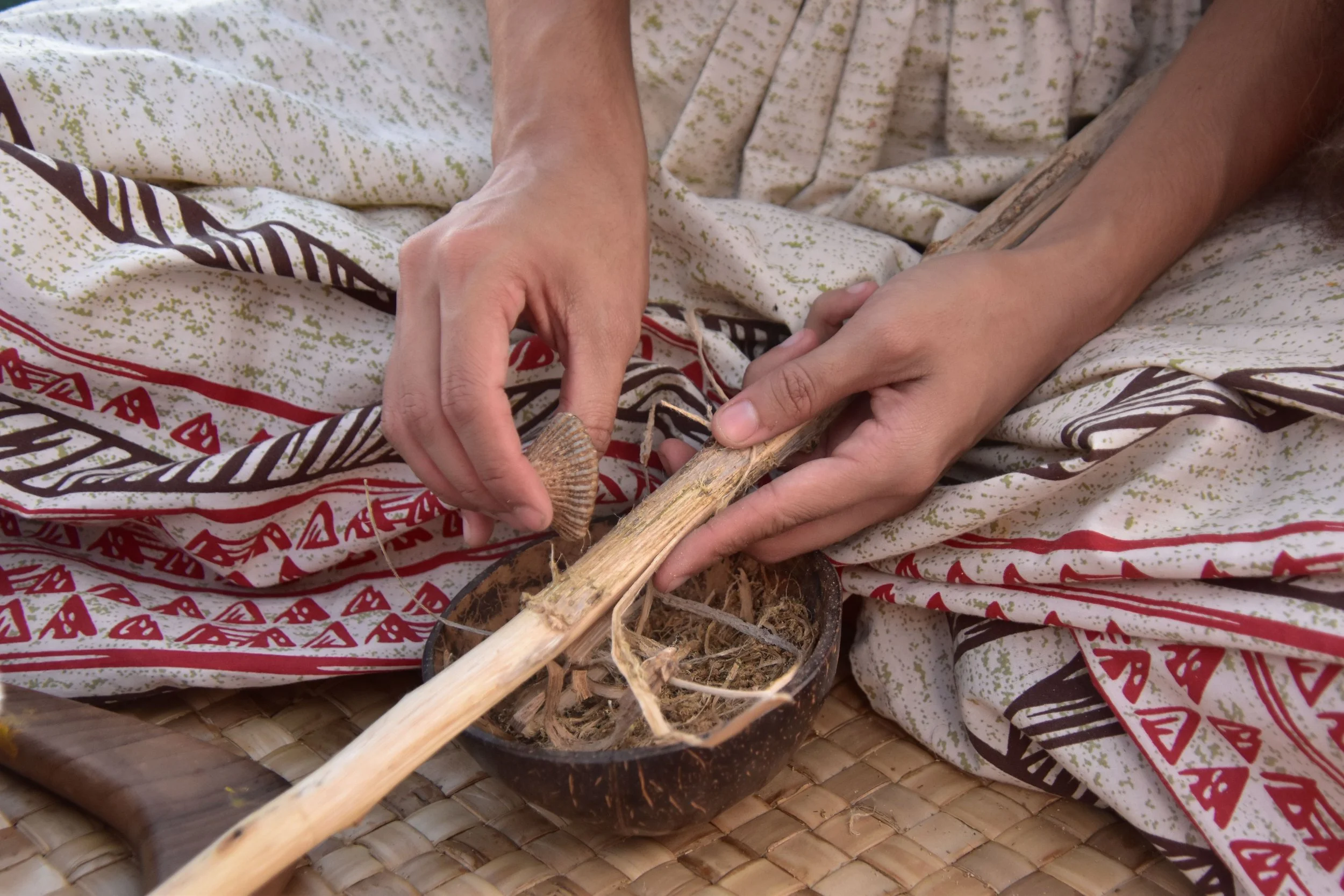
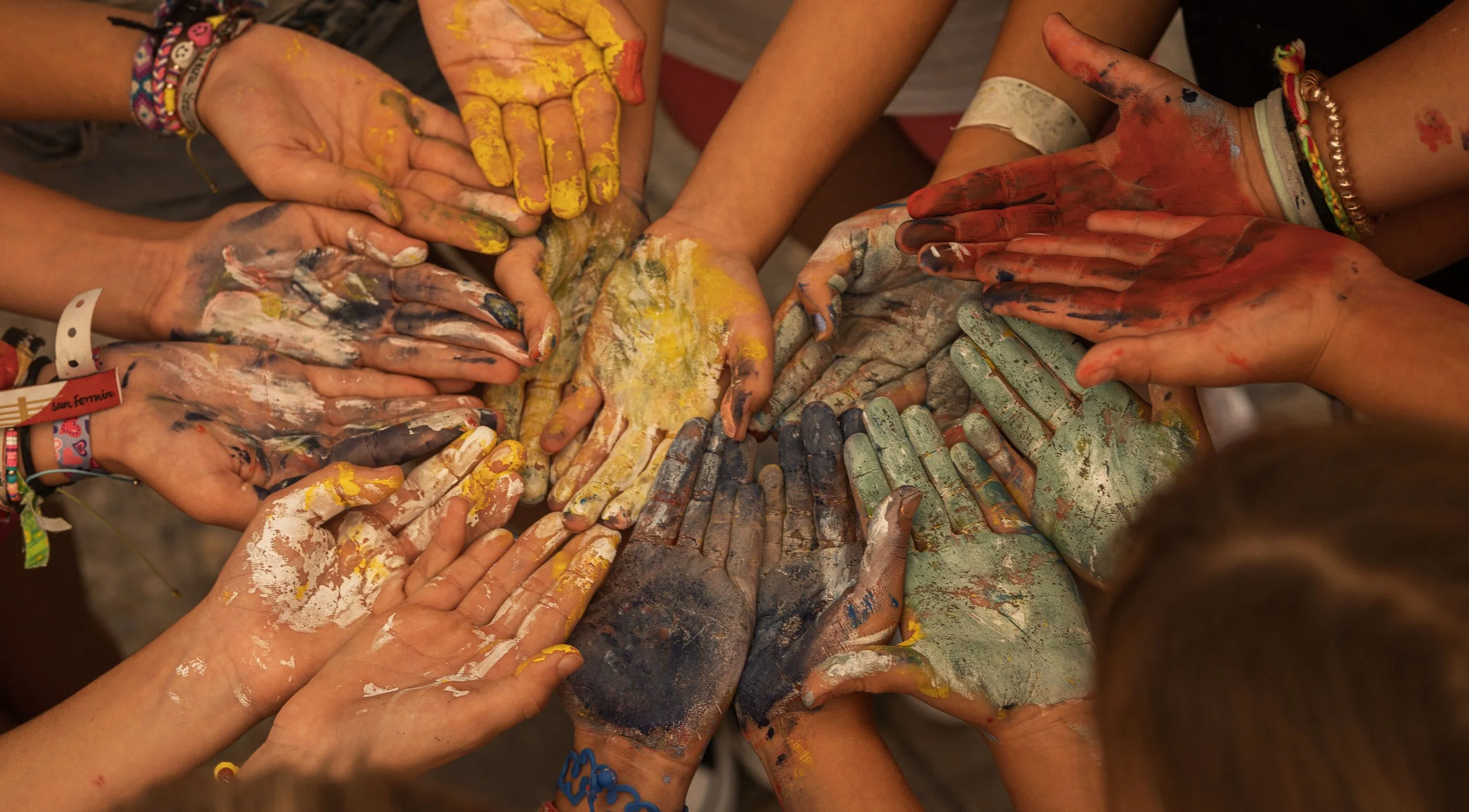
We begin by cultivating a sense of practice, steady commitment through time that requires us to rethink ideas of progress, perfection, certainty and failure. Visiting practitioners will guide us through their practice allowing opportunity to engage our hands in different disciplines and with materials embodying various degrees of resistance. Learning what flowers can be grown and dried for dyes and how to use them will help us remember the beauty of nature’s palette. Splitting wood and fashioning something simple will remind us of resistance and overcoming difficulty and how our mind can inhibit presence. Our guiding question: what can making teach us about ourselves, our place in the world and our interactions with others? This leads us to being part of a broader community where ego and humility find their inherent strength together.
Module 2 - 23rd Apr - 7th May
Meeting the Material: Shaping and being shaped by materials
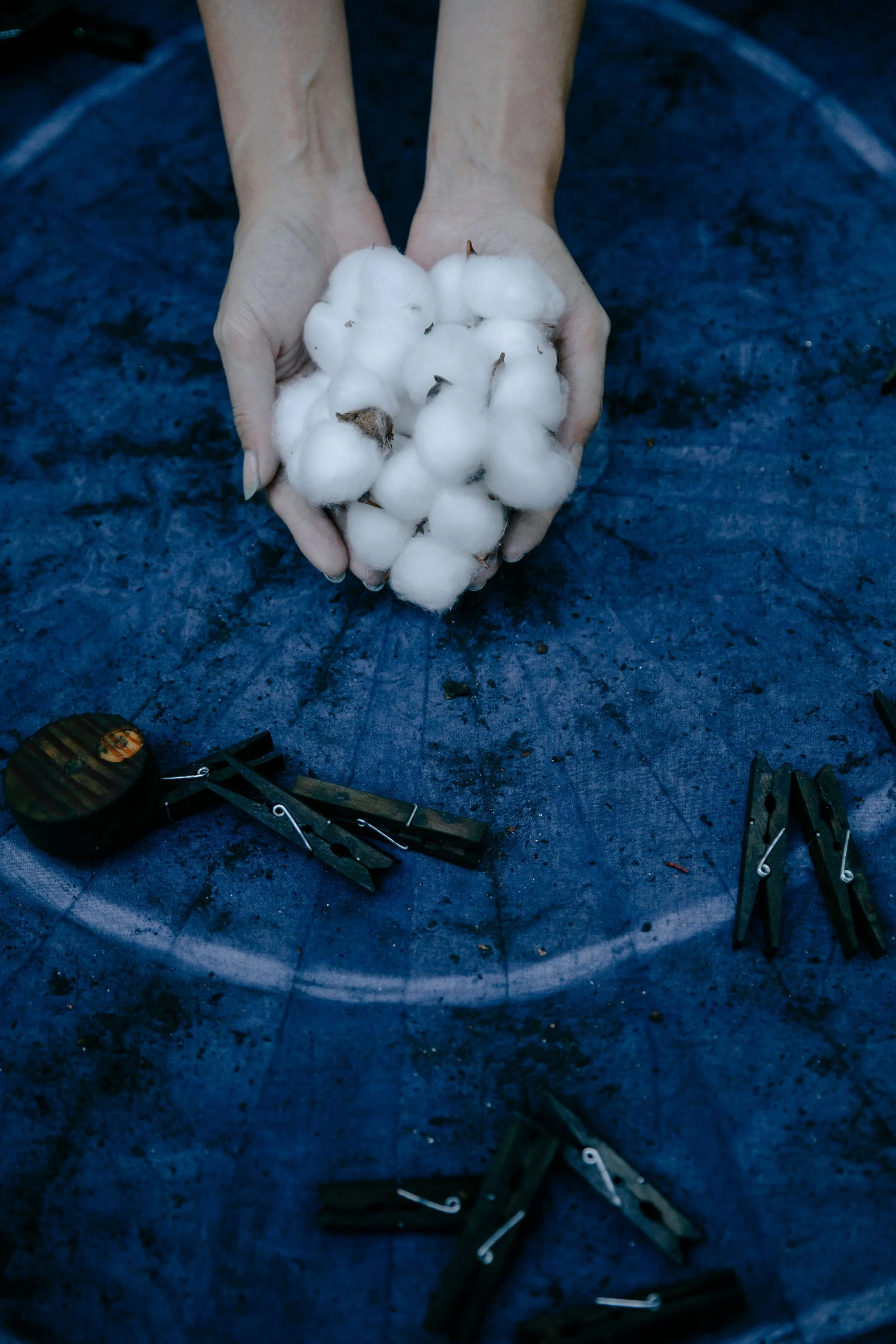
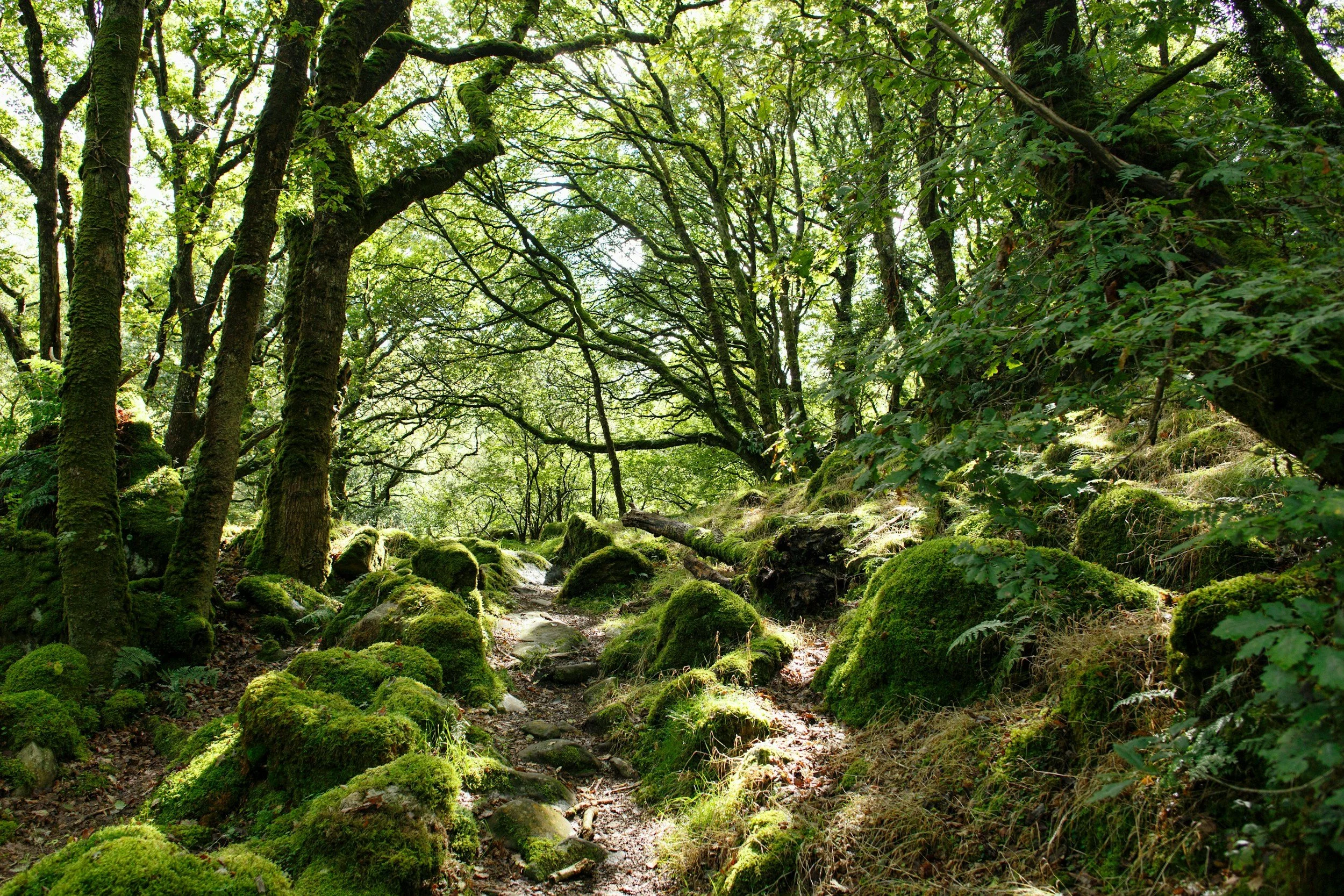
Materials resist, guide and surprise, shaping what becomes possible, revealing a self that is not fixed. We will immerse ourselves in the natural environment and explore the effect of our historic extraction of materials through walks and field trips.They ask us for our due care and attention lest we exploit them to the detriment of our future. Thus, as we deepen our engagement with materials, we will notice our interactions are never one-sided, rather we exist within a conversation or form of correspondence. We will explore rhythms of listening and responding, making and receiving, drawing on the many different threads that shape our ideas around agency, aliveness and materiality.
Module 3 - 25th June - 4th July
The Space in Between: Widening the circles of relationship
Tracing the living space between hand, mind and material, we will expand our learning in the final module from ‘me’ and ‘you’ to ‘we’. We will ask what meaningful relationship requires of us and how we might contribute in return? Our learning will take root in the wider world as we look toward modes of collaboration, community projects and forms of action that reflect and respond to the needs of our times. A creative final project supported by 1-1 mentorship will help us to reassess and strengthen our commitments, from both the personal to the planetary.
Why Join This Course
In rapidly changing times, as we are increasingly pulled towards speed, fragmentation and the disconnecting forces of consumerism. In response this programme invites a slower attentiveness, shifting our focus toward collaboration, agency and convivial reconnection.
Are you standing at the threshold of a project, carrying an emerging calling or wanting to find ways to engage more coherently with the challenges of these times?
This course is for all those wishing to explore more deeply through enlivening conversations within the support of a structured, caring learning community. You may be a maker, or just interested in embodied learning; writers, gardeners, hobbyists, activists, carers, designers, philosophers are all welcome.
Students will leave with new ways of understanding their relationship to the material world and new capacities with which to engage their hands in meaningful action.
Further Information
Resources this course we will be drawing on and this course is inspired by:
Tim Ingold - The Perception of the Environment
Jane Bennet - Vibrant Matter
Ivan Illich - Tools for Conviviality
Robin Wall Kimmerer - Braiding Sweetgrass
Richard Sennet - The Hand
Minna Salami - Sensuous Knowledge
Making is Connecting - Richard Gauntlett
Eve Kosofsky Sedgwick - Touching Feeling
Nick Kary - Material
Carla Needleman - The Work of Craft
Accomodation and Community
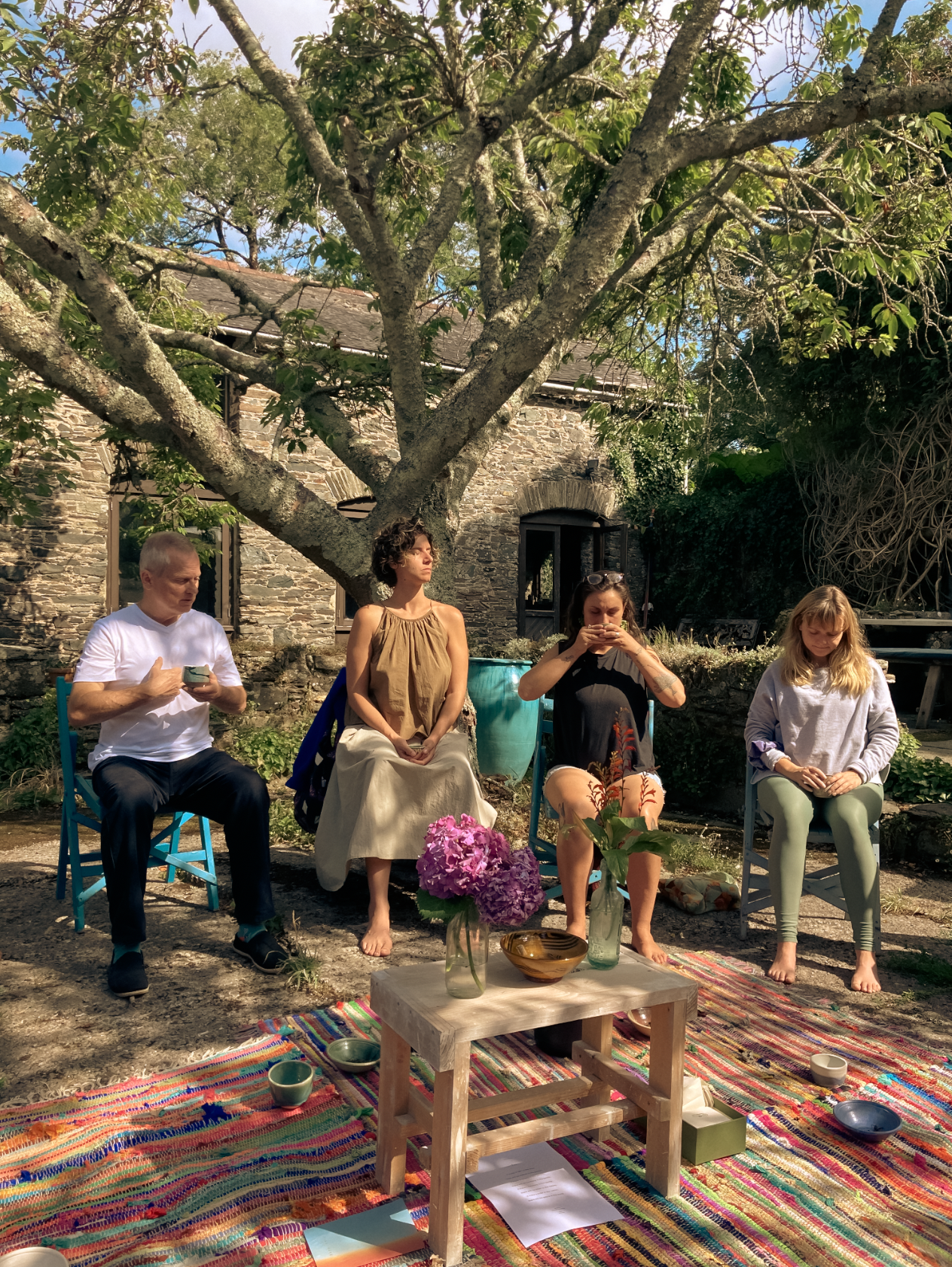
For the residential periods, you will be held by the presence of the River Dart, rolling hills and ancient woodland at a beautiful location in our local bioregion of South Devon. You will live in community with others and come together over shared meals and activities that harness joy, relaxation, and connection. Our vegetarian food is freshly and lovingly prepared on site, and we can cater to many dietary requirements needed. More information will be shared nearer to the start of the course.
Being in community with each other is a unique important part of the Schumacher College experience. It is an opportunity to not only build deep connections with each other and the more-than-human world, it enables both students and staff to come together to offer care and support for each other and the place that holds us.
Fee
£XXX - £XXX. Our hope is that you will join us for the entire course, however, students are able to participate in and purchase modules 1 and 2 separately. To ensure the integrity of the teaching and student experience, module 3 is not available as a standable module. We also offer a non-residential rate.
All 3 modules (residential) £XXX
All 3 modules (non-residential) £XXX
Module 1 (residential) £XXX
Module 2 (residential) £XXX
Module 2 & 3 (residential) £XXX
-
Bursaries are intended to provide financial support to applicants in need who wish to join the Handmade Transformation Course to inspire their wider community and enrich the course with their unique contributions. We hope that our bursaries will encourage a diverse range of participants. However, the competition is strong and the number of bursaries available is limited.
Please note:
Bursaries are awarded on the basis of financial need. This may require additional eligibility checks following an initial application.
The bursary application deadline is 9 August 2026. Please ensure that your course application is submitted before this date.
Please note that a course application must be completed before a bursary application can be considered.
A bursary application must be submitted in addition to a course
The application deadline is xxx. Please note that your bursary application will only be considered if you have submitted a course application.
If you think you are eligible for a bursary fund, please complete the application form below:
Facilitators
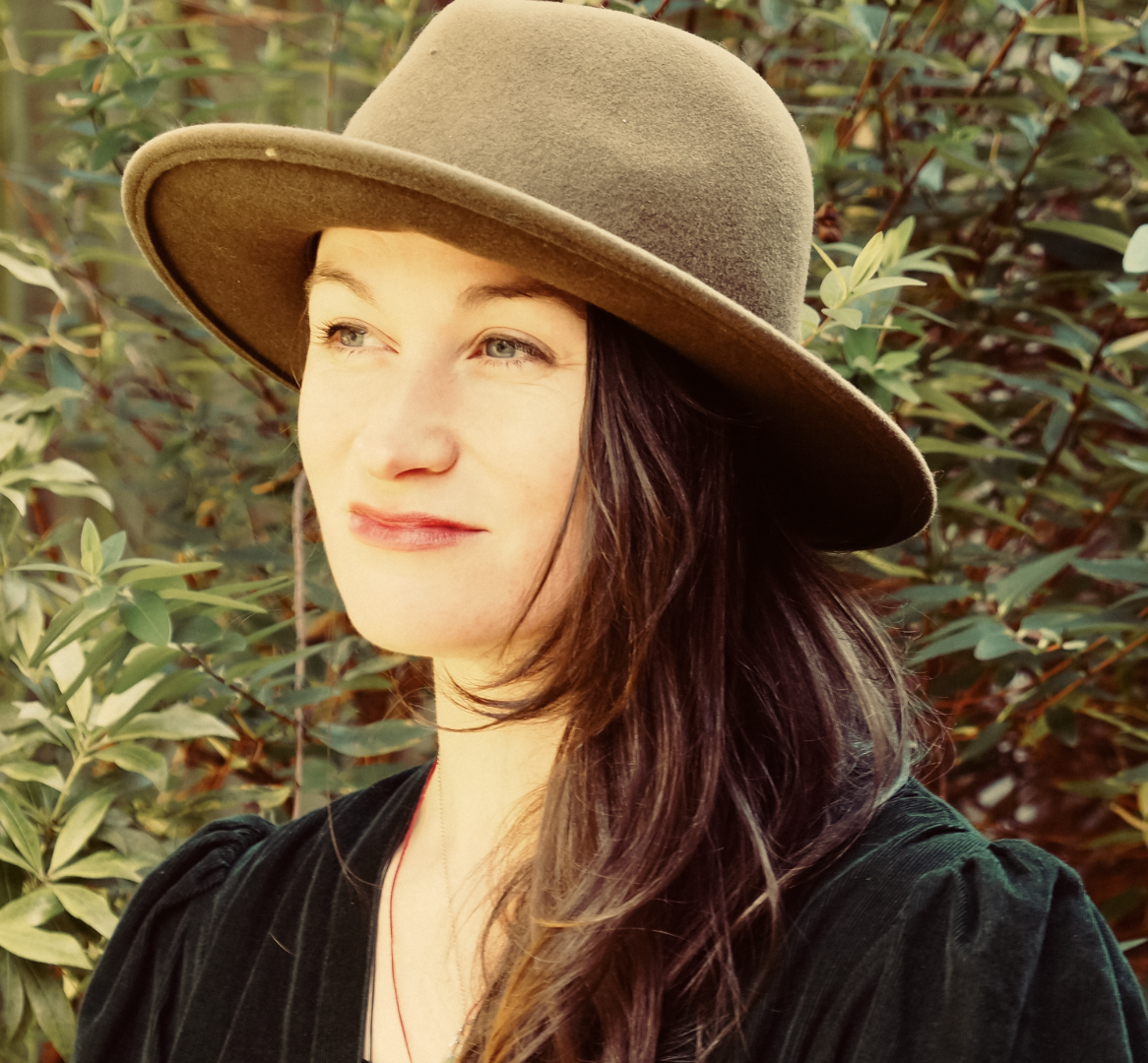
Dr Sarah Elisa Kelly
Sarah’s background is in cultural theory and critical thinking, with interests spanning the arts, movement practice, environmental philosophy and nonduality.
She previously co-led the MA Engaged Ecology at Schumacher College and developed short courses including ‘Unravelling Time’ for Schumacher and ‘The World is a Verb’ for the New School of the Anthropocene. She holds a PhD in Environmental Humanities from the Royal College of Art which explored theories of time, empathy and more-than-human connection.
Prior to joining the college Sarah worked as a hand papermaker, having trained both in craft studios and in one of the UK’s last remaining paper mills. She developed an art practice in sculptural paper and visual poetry that she has exhibited internationally.
Alongside academic work Sarah has worked professionally as a facilitator for grief tending and Way of Council spaces and she is a qualified mindfulness teacher with the University of California. She has also studied extensively in the field of dance, embodiment and somatic practices, including Amerta, Authentic Movement, Body-Mind Centering, and Somatic Experiencing.
She has a devoted spiritual and ritualist practice and is especially drawn to work with rivers and bodies of water. She draws deeply on her varied experiences and deep commitment to ongoing reflexive practice in her work as mentor and trainee eco-psychotherapist.
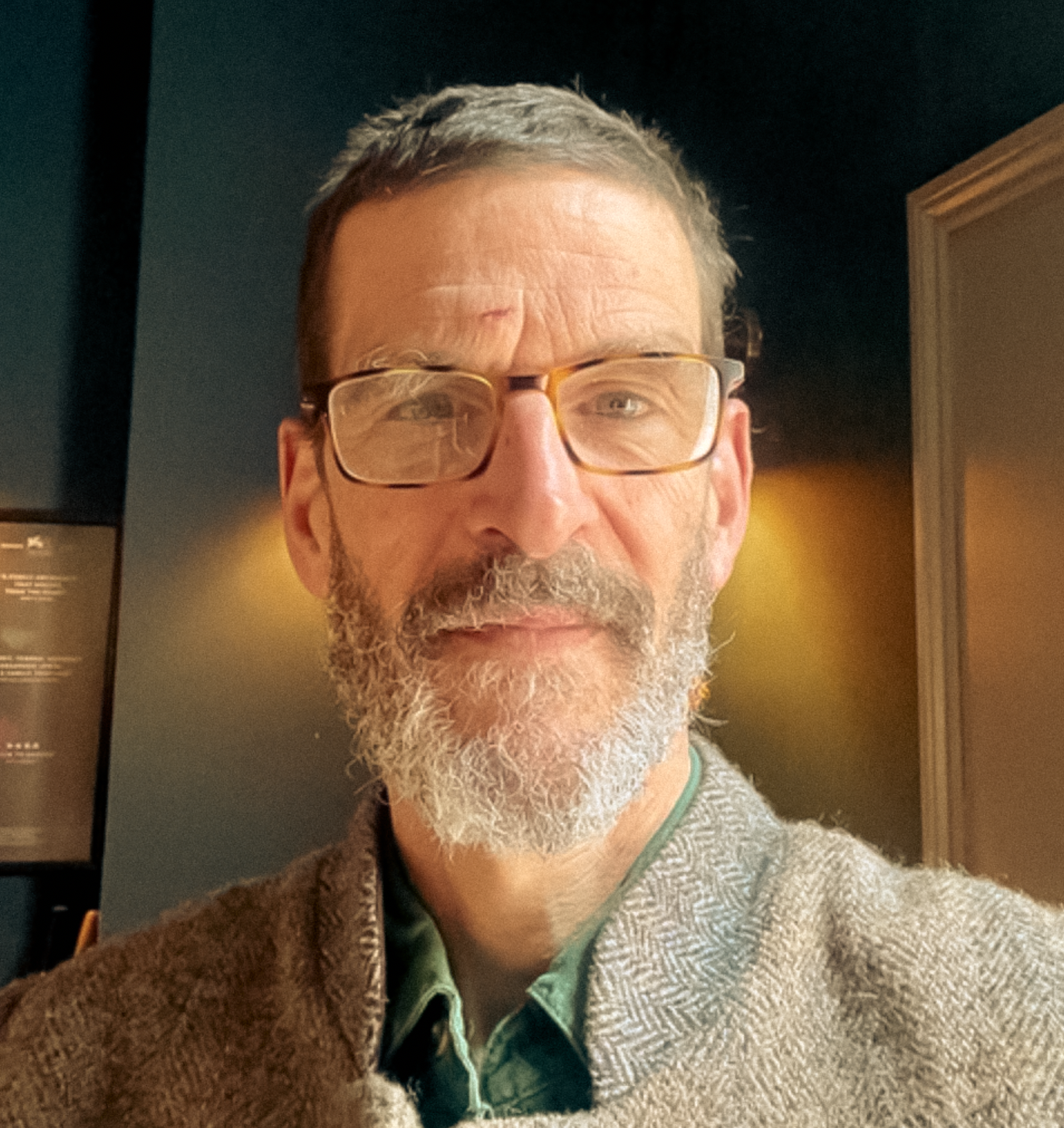
Nick Kary
Nick has spent a lifetime in practice with the fine art of living. Forty years of professionally making and designing things have consumed much of his time. As have writing and teaching.
Writing has served to expand the consciousness of the silent and solitary maker and to help bring understanding to the ideas that grow within the repetitive rhythms of the making process. His Book ‘Material’ grew from the space where mind, hand, material and the more than human world coexist. 20 years of teaching at University, and in other venues has also served to draw him out of his workshop and delight in the sharing of his enquiry with others.
A love of the wild forms the basis from which he approaches life and underpins the slow and profound journey back to a trust in the intuitive and essential. Alongside making and writing Nick has spent the last 26 years in a deep dialogue with the crafting of a life through the building and maintaining of a wooden home and workshops for himself and his family.
Contributors
-
Dr Mona Nasseri
-
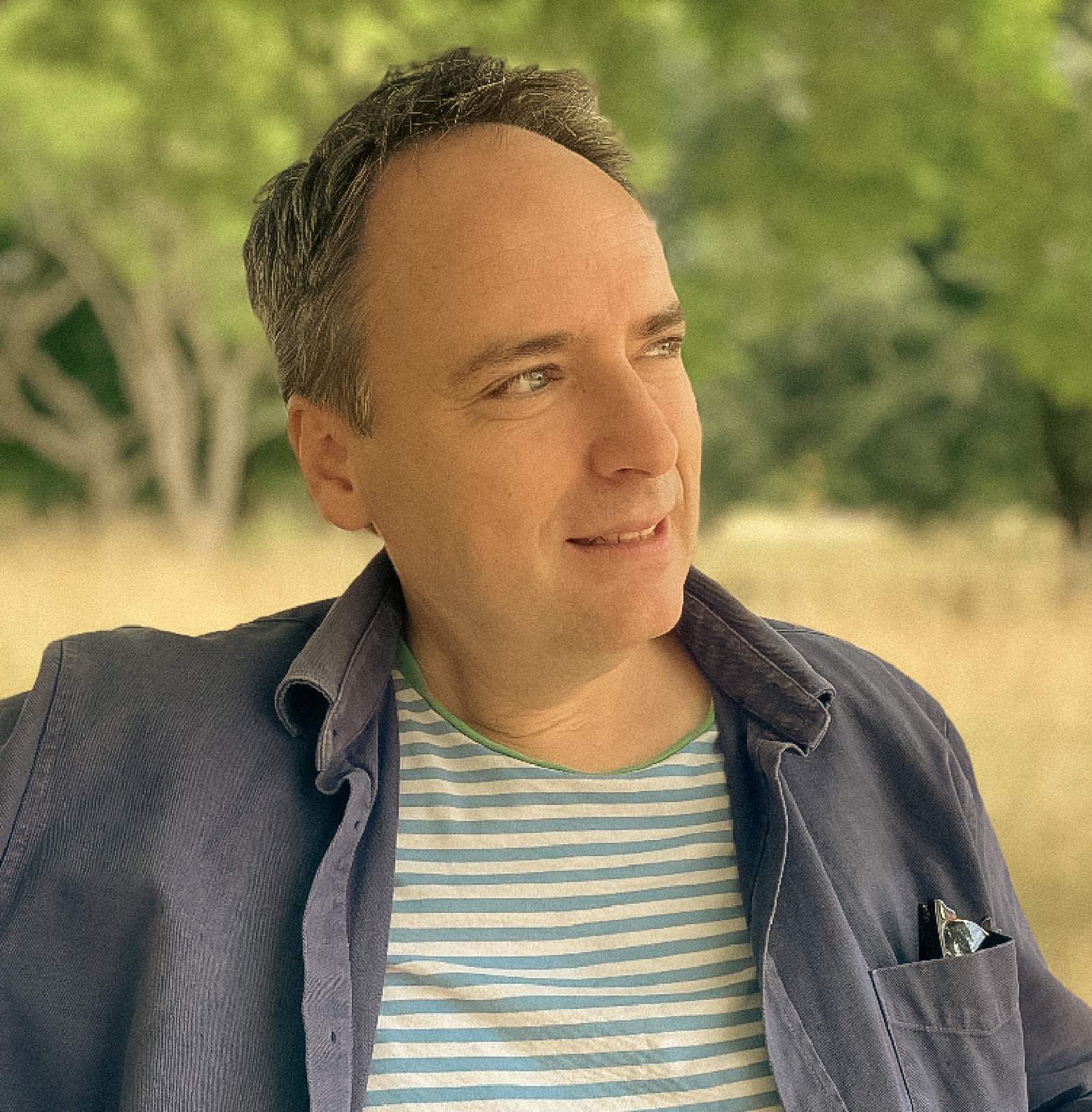
Dr Valentin Gerlier
-
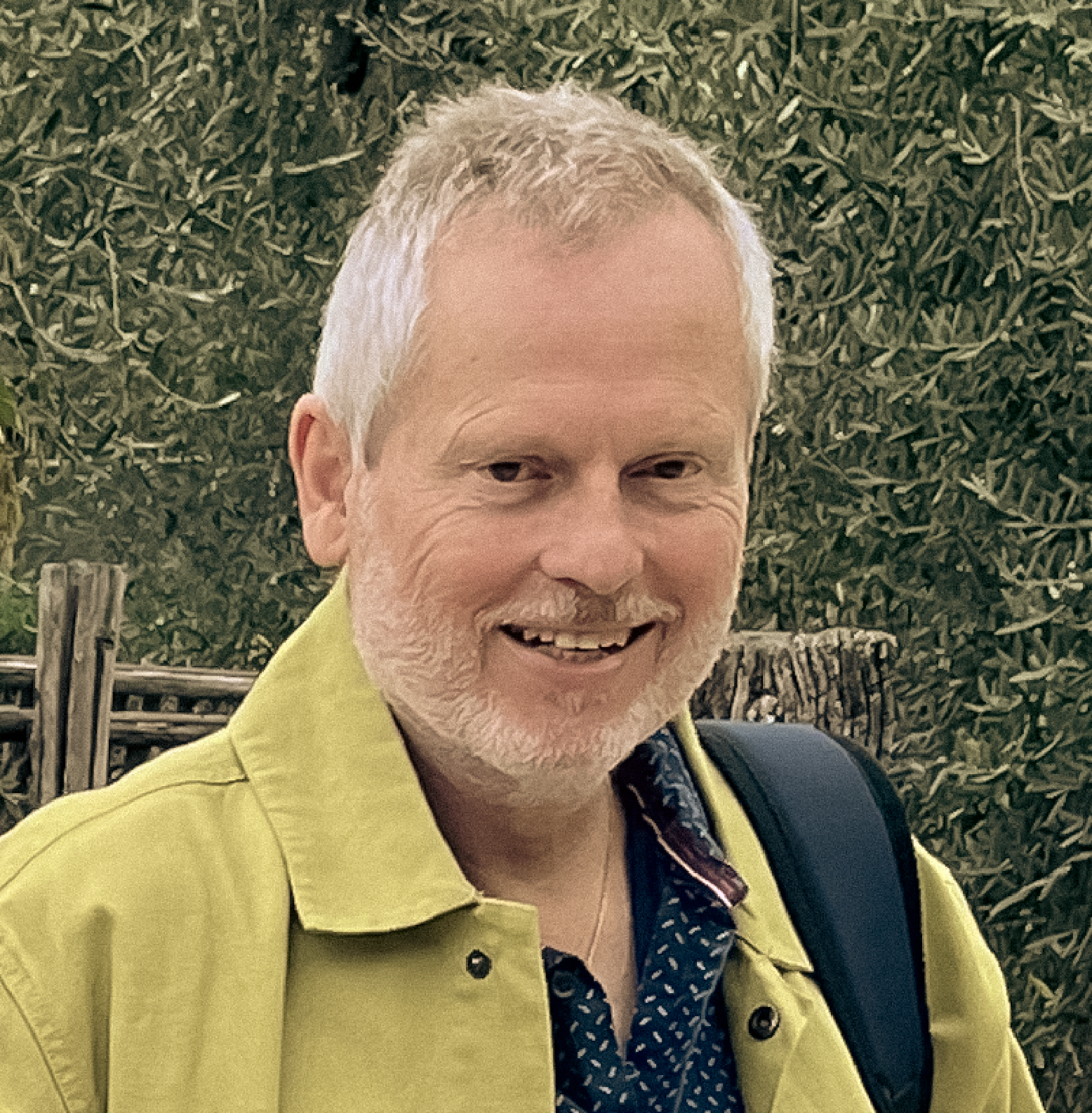
Prof Roberto Fraquelli