
Handmade Transformation
A Course for Crafting Meaningful Life and Work
September 2026 - April 2027
In-person & Online
Through embodied practices and project-based mentoring, you hone your craft, attune to your calling,
and shape a livelihood rooted in authenticity and care for the living world.
Handmade Transformation is a new Schumacher course exploring what it means to shape life with the attentiveness, agency, integrity and quiet courage of a craftsperson. In a world that often pulls us toward speed and fragmentation, this course invites you to slow down, deepen your awareness, and approach your personal calling and livelihood as a handmade, intentionally crafted work.
Rooted in Schumacher’s long tradition of embodied learning, this programme invites you to engage your hands, hearts and minds in meeting a world that is as complex as it is wonderful and to shape your own life project from that place.
Together with members of the wider Schumacher community, we will explore how the craftsperson’s way of working - patient, intuitive, relational, grounded, imaginative and reverential – can offer tools for shaping a life and livelihood that are both ecological and authentic.
Through interactive, hands-on sessions, we will practise ways of tuning attention and clarifying intention, supporting you to shape your project or livelihood in a way that honours the world around you and the deeper truth within.
Find out more at one of our live chats on 7th & 21st July, 4th August (4-5pm BST)
The deadline for both bursaries and course applications is 9th August 23.59 BST
Key Information
-
At the beautiful Rill Estate in our local bioregion of South Devon.
-
The course runs from September 2026 - April 2027 and includes the following residential dates:
Immersive residential: 18–28 September
1st residential weekend: 13–15 November
2nd residential weekend: 8–10 January
3rd residential weekend: 26–28 February
4th residential weekend: 9–11 April
Please Note: The deadline for both bursaries and course applications is 9th August 23.59 BST -
The cost of the course is £5,100 (including food and a shared room).
Non-residential fee is £3,800
For single room fee, please contact info@schumachercollege.co.uk. Single rooms are limited and allocated on a first come, first served basis.
-
The course duration is 7 months in total. 10 immersive residential days followed by 4 residential weekends over 6 months.
There will be one online session per week between each residency. These will include one-to-one mentoring, teaching sessions, and student-led discussions and seminars.
Our Approach
Over the course of our time together, we will work through four central themes that support handmade transformation:
Uncluttering the Mind — creating the inner space needed for insight, presence and creativity.
Beauty and Simplicity — cultivating the capacity to recognise, make and live by what is essential.
Empathy and Connection — strengthening our relational awareness with self, others and the more-than-human world.
Inquiry and Life’s Work — exploring the questions and callings that guide our personal and ecological purpose.
These core themes will be woven throughout the course to animate our sessions in dynamic, creative and contemplative ways. On this course, learning experiences will take a variety of different forms, including communal workshops, dialogues, talks, meditation sessions and one-to-one tutorials.
Who is this for?
For those standing at the threshold of a project, carrying a clear or emerging calling, and ready to move from intention to form with the support of a structured, caring learning community.
This course welcomes makers of all kinds - artists, craftspeople, writers, gardeners, organisers, teachers, designers, entrepreneurs - as well as those who may not consider themselves “makers” but ready to commit to learning a craft.
Core Themes
During the residential parts of the course, we examine and respond to the following questions, using them as foundations for developing our practice:
What does it mean to cultivate a making practice?
How can we learn to pay deeper, wider, closer attention?
What does making by hand teach us about ourselves?
What happens when we enter a reciprocal collaboration?
How can we better understand our “materiality”?
How might unmaking also be an ally in our journey?
How does our making hold meaning?
For more details on this download our course handbook here.
Bring Your Project
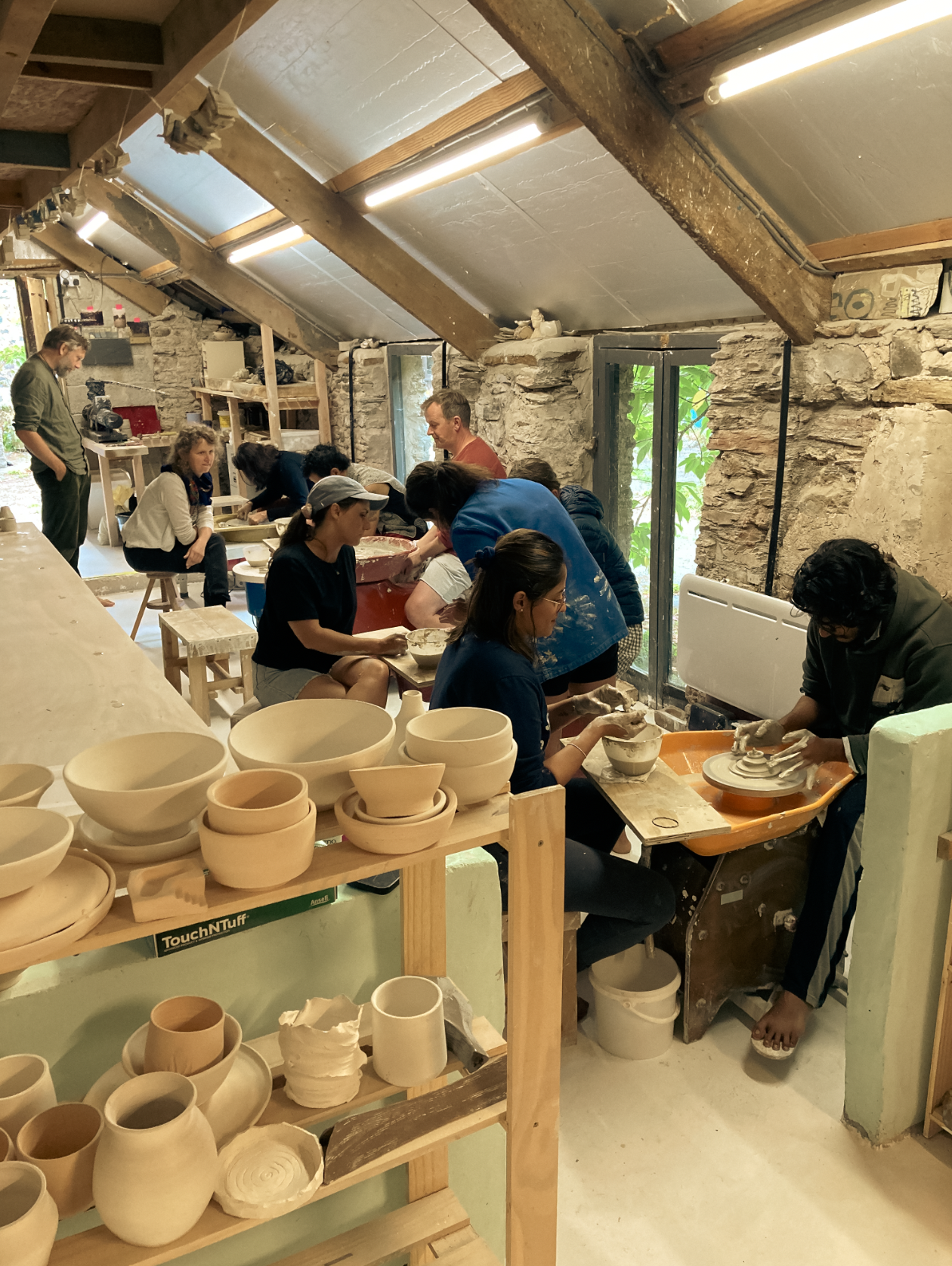
While we will explore a range of hands-on practices, this is not a technical training in any one craft. Instead, we invite you to bring your own craft into the space , or to commit to learning one alongside the course. This commitment to a personal practice helps deepen and ground the learning.
Alongside a commitment to learning or deepening a craft, participants are invited to bring a personal project – creative, professional, ecological or livelihood-focused – to thread through the programme. These projects become living pathways through which the course’s insights can be practised, tested and carried out beyond the course.
Mentorship
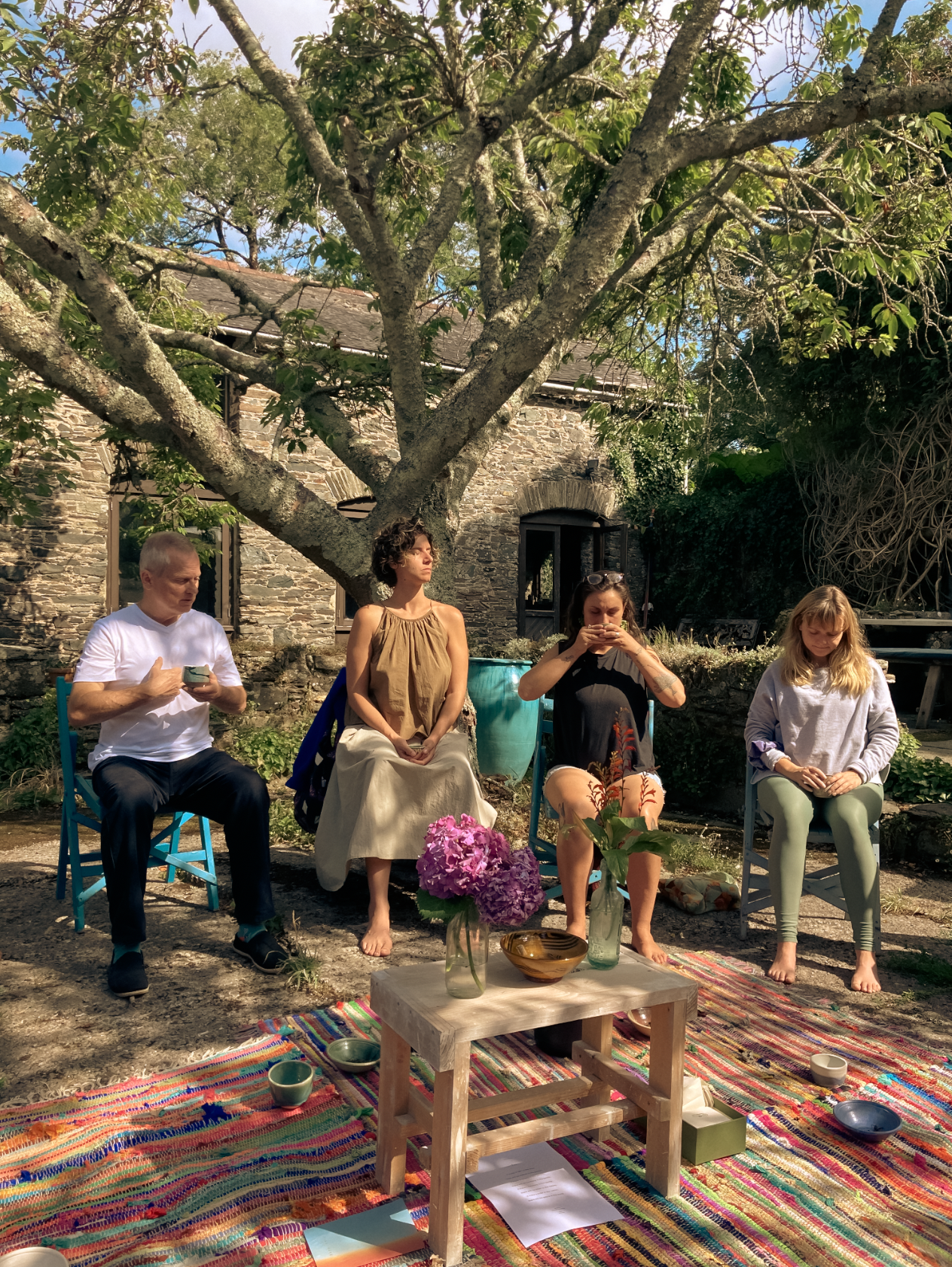
This is not just a course; it is a journey. The small community we form will support one another in shaping and strengthening each person’s project. Throughout the process, you’ll benefit from companionship and mentorship, and you may even begin to pave your own path towards becoming a mentor in a future iteration of the programme.
Course Structure
The course duration is 7 months in total. 10 immersive residential days followed by 4 residential weekends over 6 months.
There will be one online session per week between each residency. These will include one-to-one mentoring, teaching sessions, and student-led discussions and seminars.
Dates
Immersive residential: 18–28 September (Rill Estate, South Devon)
1st residential weekend: 13–15 November
2nd residential weekend: 8–10 January
3rd residential weekend: 26–28 February
4th residential weekend: 9–11 April
Venue
At a beautiful location in our local bioregion of South Devon, you will be held by the presence of the River Dart, rolling hills and ancient woodland. You will live in community with others over the course of the week and come together over shared meals and activities that harness joy, relaxation, and connection. Our vegetarian food is freshly and lovingly prepared on site, and we can cater to any dietary requirements needed. To ensure your comfort, we have a range of single and shared rooms available. More information will be shared nearer to the start of the course.
Fee
The cost of the course is £5,100 (including food and a shared room). we also have a non-residential fee of £3,800.
For single room fee, please contact info@schumachercollege.co.uk. Single rooms are limited and allocated on a first come, first served basis.
Download the course handbook and the course specification for more details.
Bursary Funds
-
Bursaries are intended to provide financial support to applicants in need who wish to join the Handmade Transformation Course to inspire their wider community and enrich the course with their unique contributions. We hope that our bursaries will encourage a diverse range of participants. However, the competition is strong and the number of bursaries available is limited.
Please note:
Bursaries are awarded on the basis of financial need. This may require additional eligibility checks following an initial application.
The bursary application deadline is 9 August 2026. Please ensure that your course application is submitted before this date.
Please note that a course application must be completed before a bursary application can be considered.
A bursary application must be submitted in addition to a course
The application deadline is 9th August 2026. Please note that your bursary application will only be considered if you have submitted a course application.
If you think you are eligible for a bursary fund, please complete the application form below:
Facilitators
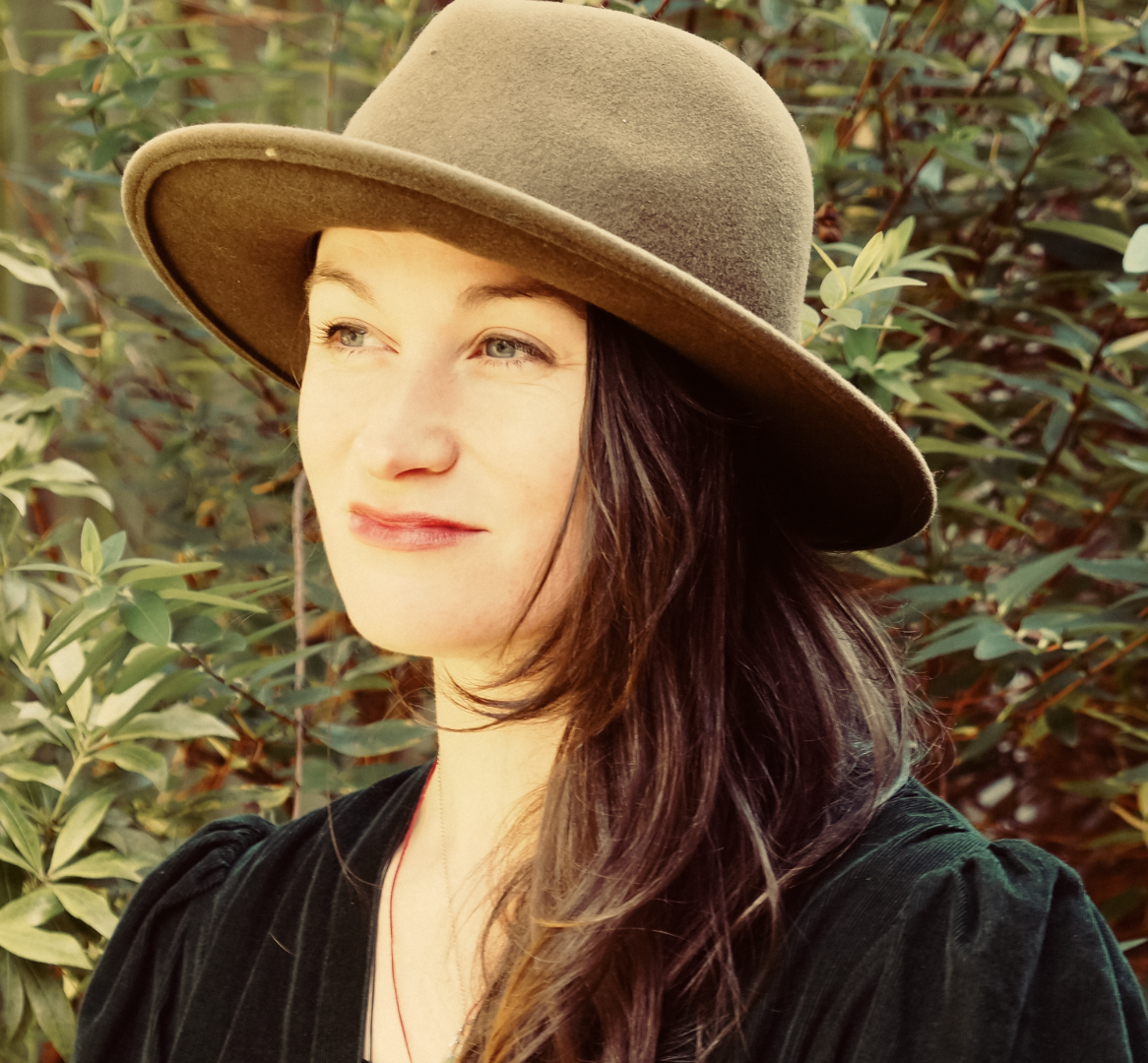
Dr Sarah Elisa Kelly
Sarah’s background is in cultural theory and critical thinking, with interests spanning the arts, movement practice, environmental philosophy and nonduality.
She previously co-led the MA Engaged Ecology at Schumacher College and developed short courses including ‘Unravelling Time’ for Schumacher and ‘The World is a Verb’ for the New School of the Anthropocene. She holds a PhD in Environmental Humanities from the Royal College of Art which explored theories of time, empathy and more-than-human connection.
Prior to joining the college Sarah worked as a hand papermaker, having trained both in craft studios and in one of the UK’s last remaining paper mills. She developed an art practice in sculptural paper and visual poetry that she has exhibited internationally.
Alongside academic work Sarah has worked professionally as a facilitator for grief tending and Way of Council spaces and she is a qualified mindfulness teacher with the University of California. She has also studied extensively in the field of dance, embodiment and somatic practices, including Amerta, Authentic Movement, Body-Mind Centering, and Somatic Experiencing.
She has a devoted spiritual and ritualist practice and is especially drawn to work with rivers and bodies of water. She draws deeply on her varied experiences and deep commitment to ongoing reflexive practice in her work as mentor and trainee eco-psychotherapist.
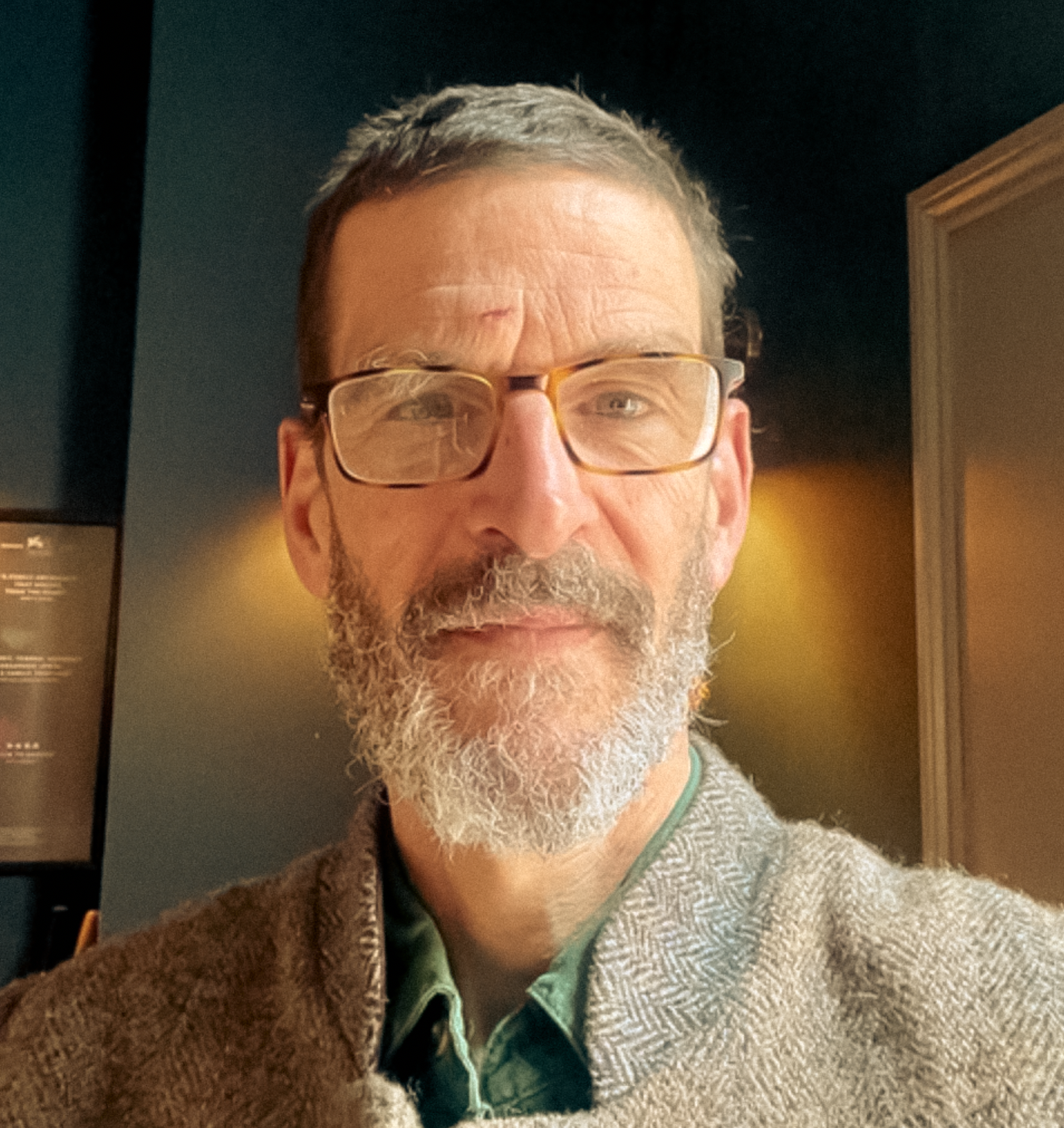
Nick Kary
Nick has spent a lifetime in practice with the fine art of living. Forty years of professionally making and designing things have consumed much of his time. As have writing and teaching.
Writing has served to expand the consciousness of the silent and solitary maker and to help bring understanding to the ideas that grow within the repetitive rhythms of the making process. His Book ‘Material’ grew from the space where mind, hand, material and the more than human world coexist. 20 years of teaching at University, and in other venues has also served to draw him out of his workshop and delight in the sharing of his enquiry with others.
A love of the wild forms the basis from which he approaches life and underpins the slow and profound journey back to a trust in the intuitive and essential. Alongside making and writing Nick has spent the last 26 years in a deep dialogue with the crafting of a life through the building and maintaining of a wooden home and workshops for himself and his family.
Contributors
-
Dr Mona Nasseri
-
Dr Valentin Gerlier
-
Prof Roberto Fraquelli