Plant Imagination:
Art, Science and Inquiry
7 - 11 October 2026
Immersive Residential, Rill Estate, South Devon
What can plants teach us about perception, imagination and ways of being in the world?
Bringing together the science of plant cognition, embodied inquiry and varied practices, this immersive course invites participants to explore a new relationship with the plant world. Through talks, experiments, observation, creative practice and experiential learning, we will ask how plants sense and respond to their environments, and what happens when we slow down enough to encounter life at different scales of time.
Key Information
-
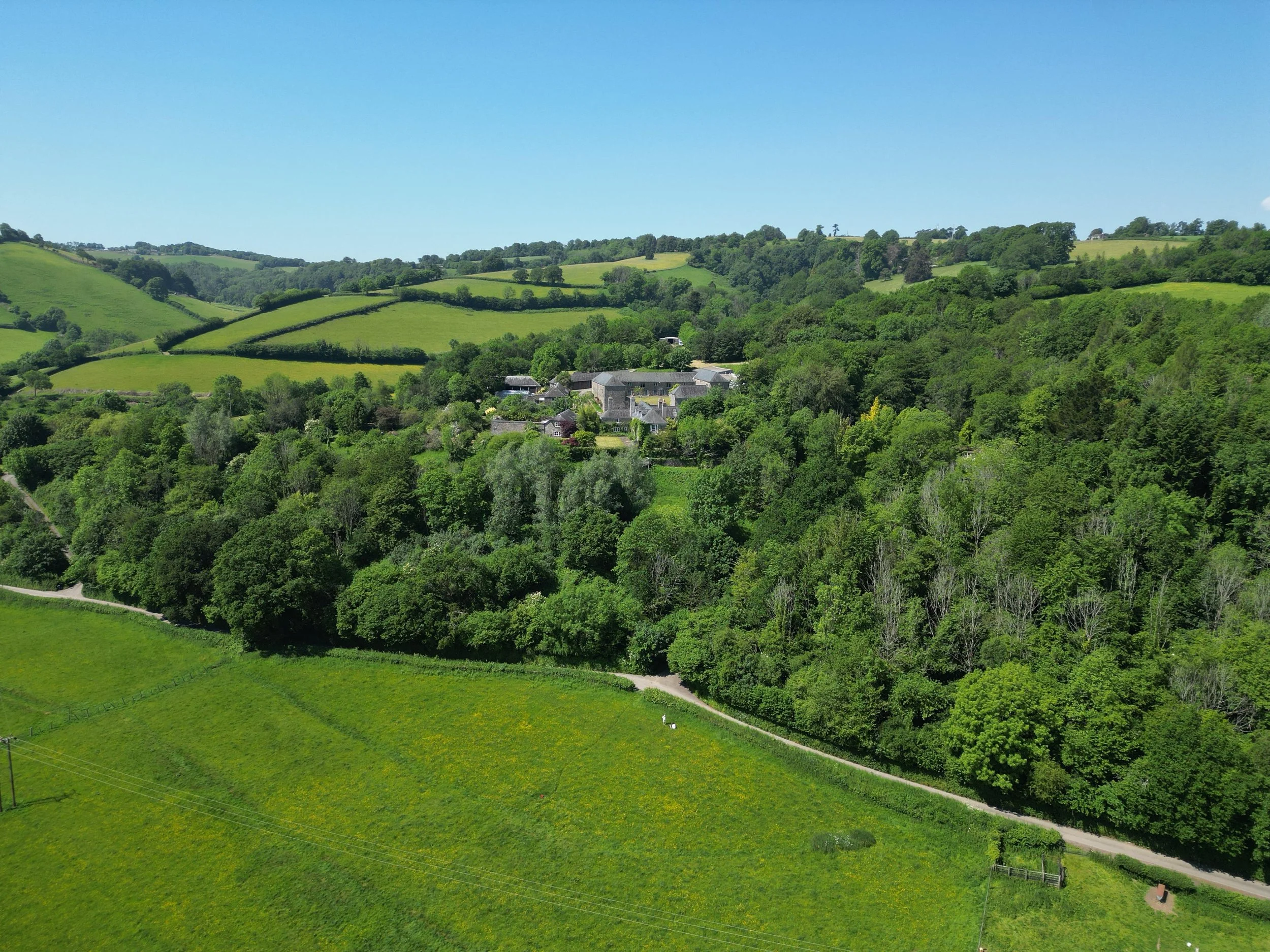
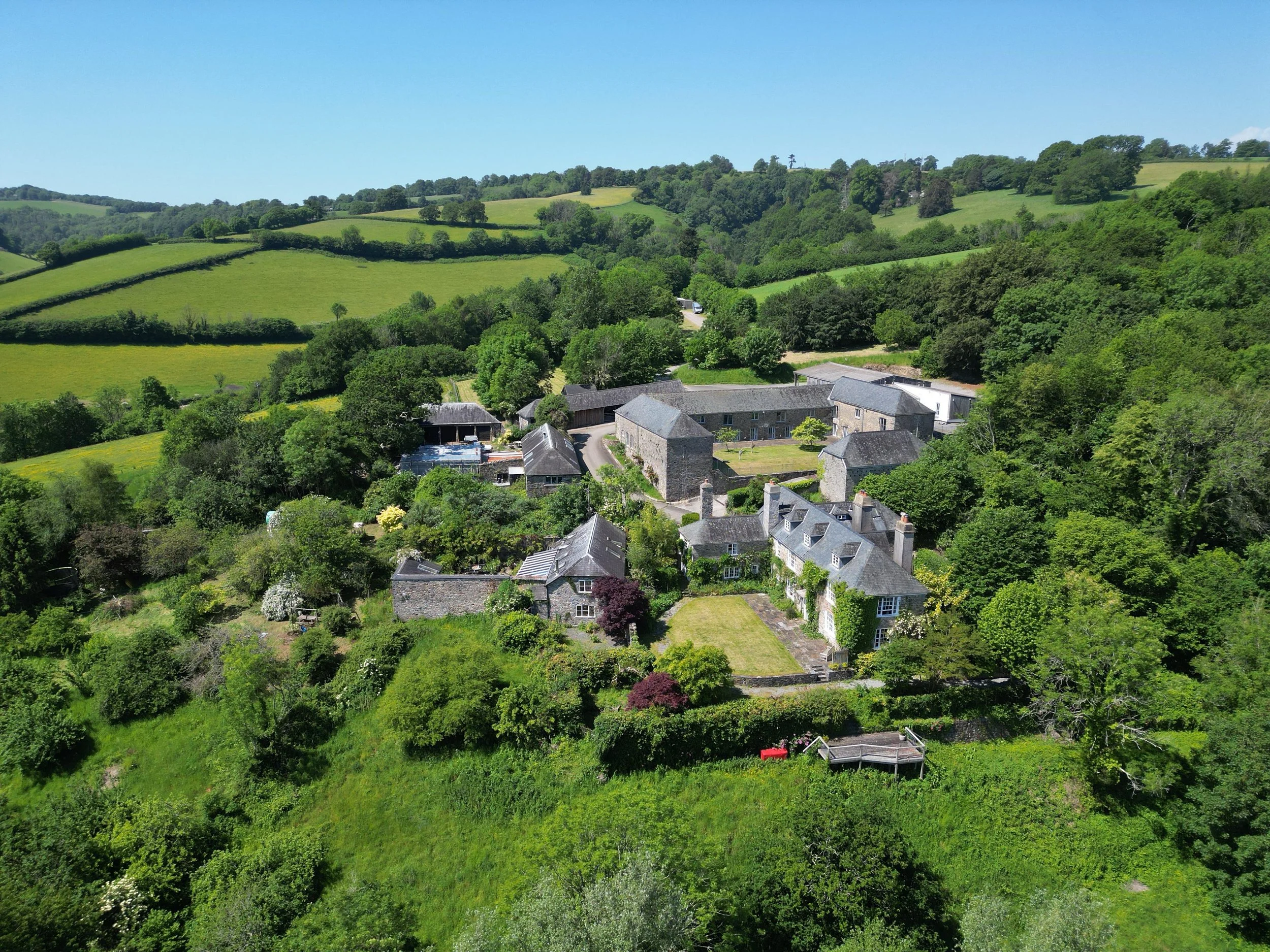
At the beautiful Rill Estate in our local bioregion of South Devon.
-
Wednesday 7th (start 14:00) - Sunday 11th October (close 14:00) 2026
-
£525 - £920
-
This is a five-day residential course
Course Overview
Drawing on the work of philosopher of plant science Paco Calvo, poets Alice Oswald and Anna Selby, we will investigate the reciprocal space between scientific knowledge and imagination. How can learning about plant intelligence invite us to see differently? How might contemplative approaches and creative practices help us approach forms of experience unlike our own? And what becomes possible when we embrace translation as a sense, not to collapse difference, but as a meeting place between worlds?
Together we will cultivate new ways of perceiving and imagining, exploring the symbiotic relationship between thought and plant science. Through observation and experiments in embodied perception, we will ask impossible but daring questions, with an invitation to risk thinking differently, to encounter other forms of intelligence, and to discover how changing our relationship with the more-than-human world might transform how we make, create, think and live.
We Will Explore:
Recent discoveries in plant cognition and plant intelligence
How plants perceive, sense and respond to their environments
Different understandings of intelligence beyond brain-centred models
Plant time, growth and alternative temporalities
Observation as a creative, scientific and contemplative practice
Imagination as a mode of inquiry and encounter with the more-than-human world
Translation across forms of life: approaching difference without reducing it
Embodied perception and relational ways of knowing
Correspondences and dialogues with the living world
The relationship between scientific knowledge and creative practice
Ethical and philosophical questions arising from plant life and plant agency
Course Structure
Day One: Arrival and Orientation — Entering the Plant World
We begin by gathering as a community and introducing the central themes of the course. Through observation exercises and introductory talks, we will explore how plants challenge familiar assumptions about intelligence, perception and agency.
Day Two: Plant Intelligence and Other Ways of Knowing
What does it mean to think without a brain? Drawing on contemporary plant science, we will investigate how plants sense, learn, communicate and adapt. Through discussion and embodied exercises, we will explore alternative understandings of cognition and intelligence.
Day Three: Attention and Imagination
How does the imagination help us encounter worlds beyond our own? Through creative and observation practices, we will investigate language, perception and the possibilities of approaching plant experience through creative inquiry.
Day Four: Translation, Correspondence and the More-than-Human
This day explores relationship. Through dialogue, as well as scientific and creative practice we will consider translation as a meeting place between worlds: an embodied way of remaining in conversation with other forms of life.
Day Five: Integration and New Possibilities
We conclude by reflecting on what we have learned and how these insights might shape our personal, creative and professional lives. Together we will consider how new relationships with plants might inspire different ways of living, making and belonging in a more-than-human world.
The course includes a combination of taught sessions, embodied practice and group dialogue in the forms of:
Lectures and presentations
Guided observation and field-based learning
Embodied and outdoor exercises
Creative inquiries and practices, including creative writing
Group dialogue and discussions
Meditative exercises exploring perception and cognition with plants
Why Join This Course?
We are living through times of transformation and change with an invitation to expand how we think about and enact a relationship with the living world. Dominant cultural narratives often position humans as separate from, or superior to, the rest of nature, reducing other forms of life to resources rather than relations.
This course offers an alternative perspective. By bringing together contemporary plant philosophy, literature and embodied practices, it encourages participants to develop more attentive, reciprocal and imaginative relationships with the world around them. We will explore what becomes possible when we collectively cultivate curiosity, humility and wonder in the presence of other forms of life.
At a moment when new ways of thinking and relating are urgently needed, plants offer an invitation to reconsider intelligence, agency, creativity and our place within the wider community of life.
Venue
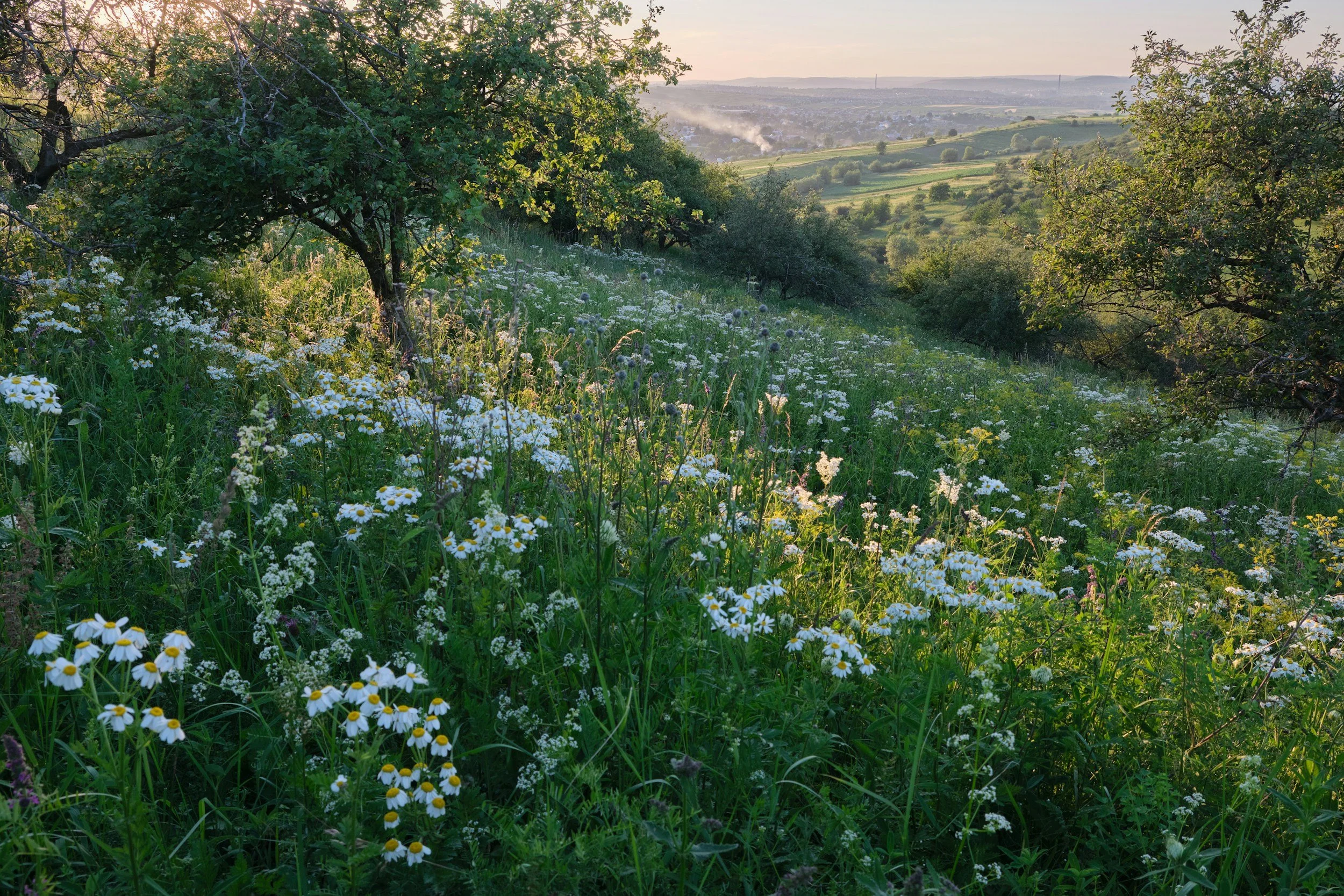
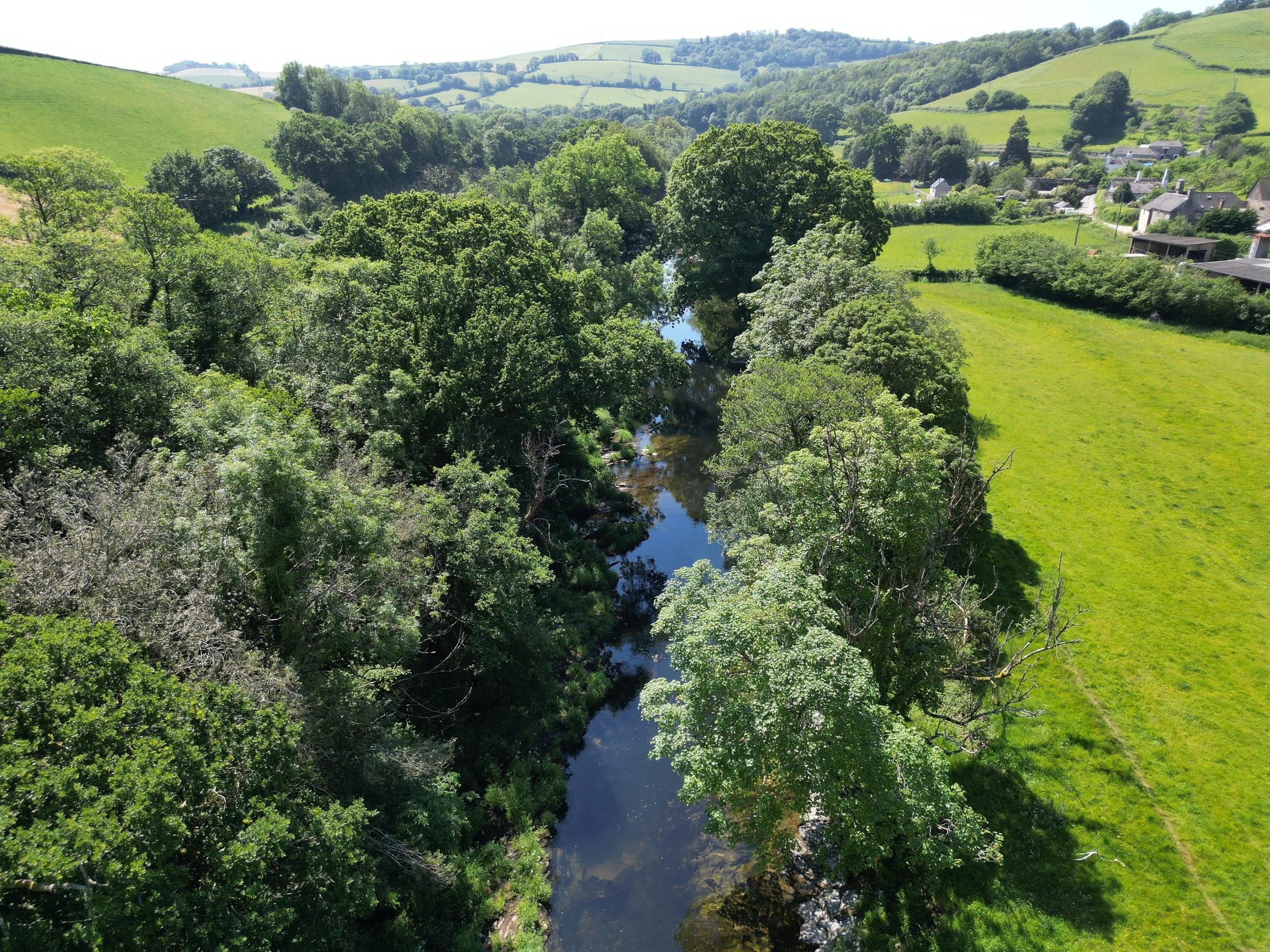
This course is hosted in-person at the beautiful Rill Estate in our local bioregion of South Devon. You will be held by the presence of the River Dart, rolling hills and ancient woodland. You will live in community with others, coming together over shared meals and activities that foster joy, relaxation and connection. Community life is at the heart of the Schumacher experience, and everyone plays a small part in caring for it by helping with simple daily tasks such as preparing for meals, washing up and looking after shared spaces. Our vegetarian food is freshly and lovingly prepared on site, and we can cater for many dietary requirements. To ensure your comfort, we have a range of single and shared rooms available.
Fee
£525 - £920 (non-residential, single and shared rooms)
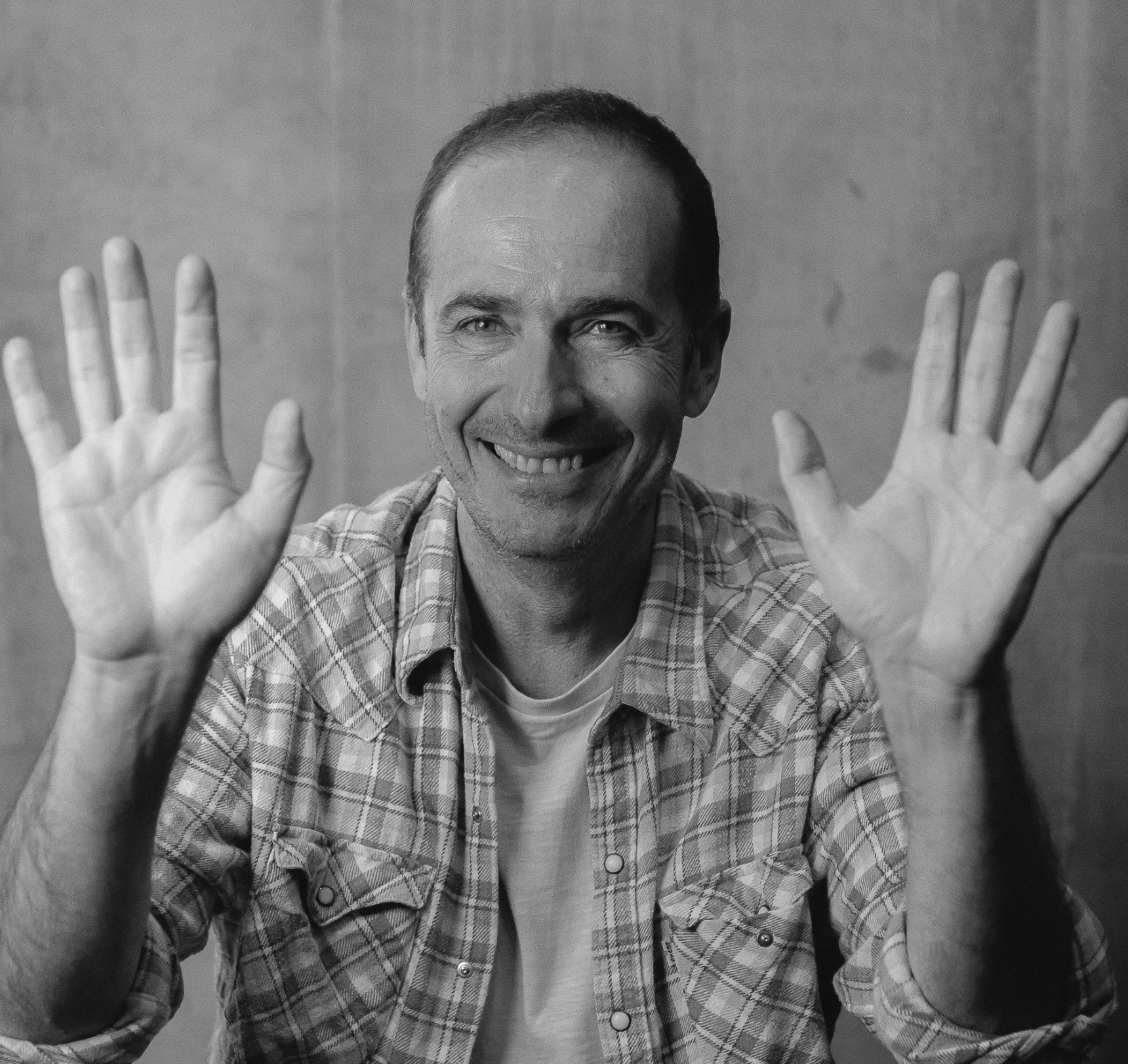
Image credit: Lina Botero
Paco Calvo
Paco Calvo is Professor of Philosophy of Science at the University of Murcia, Spain, where he directs the Minimal Intelligence Laboratory (MINT Lab). His research lies at the intersection of philosophy of cognitive science, plant behaviour, ecological psychology, and the philosophy of biology. Over the last two decades, he has been one of the leading voices in the emerging field of plant cognition, arguing that plants should not be understood merely as passive, stimulus-response organisms, but as flexible, adaptive, problem-solving living systems whose behaviour can shed new light on the nature of intelligence itself.
He is also the author of Planta Sapiens: The New Science of Plant Intelligence (W. W. Norton, 2023), and his academic work has been published in leading venues across philosophy, cognitive science, plant science, and interdisciplinary biology. Alongside his academic work, Calvo is an active public intellectual and science communicator. He regularly gives lectures, keynote talks, and public presentations on plant intelligence, plant sentience, ecological cognition, and the future of intelligence studies. His work invites scientists, philosophers, artists, designers, and the wider public to reconsider the place of plants in our understanding of life, mind, and the more-than-human world.
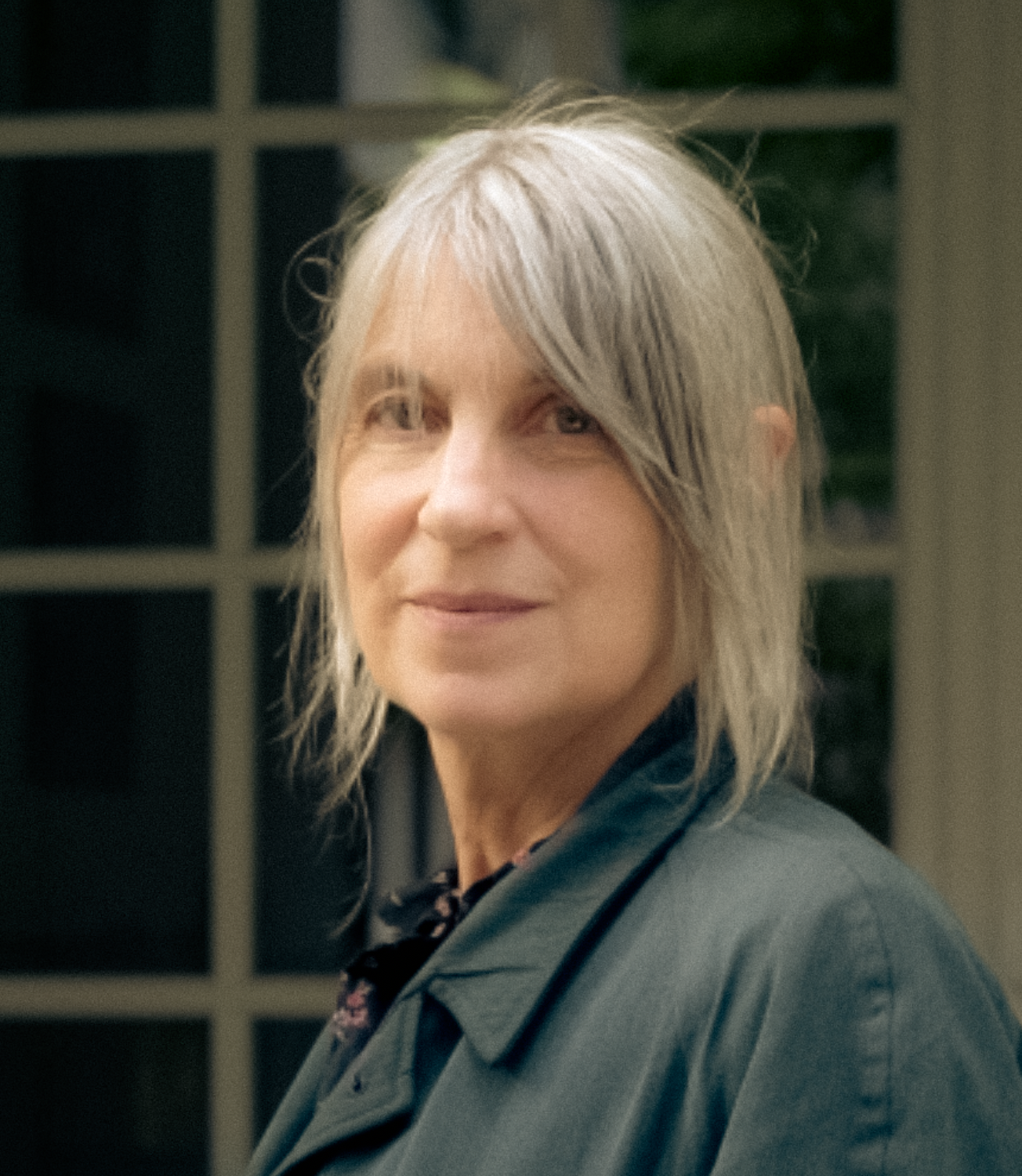
Alice Oswald
Alice Oswald co-led MA poetics of Imagination at Schumacher College and Dartington Arts School. She studied Classics at Oxford and then trained as a gardener. She has written six collections of poetry.
In 2019, she took up the post of Oxford Professor of Poetry. Her most recent collection, Nobody, reworks Homer's The Odyssey. Her first collection, The Thing in the Gap-Stone Stile (1996), won the Forward poetry prize for best first collection. In 2002, she won the TS Eliot for Dart, about the river in Devon.
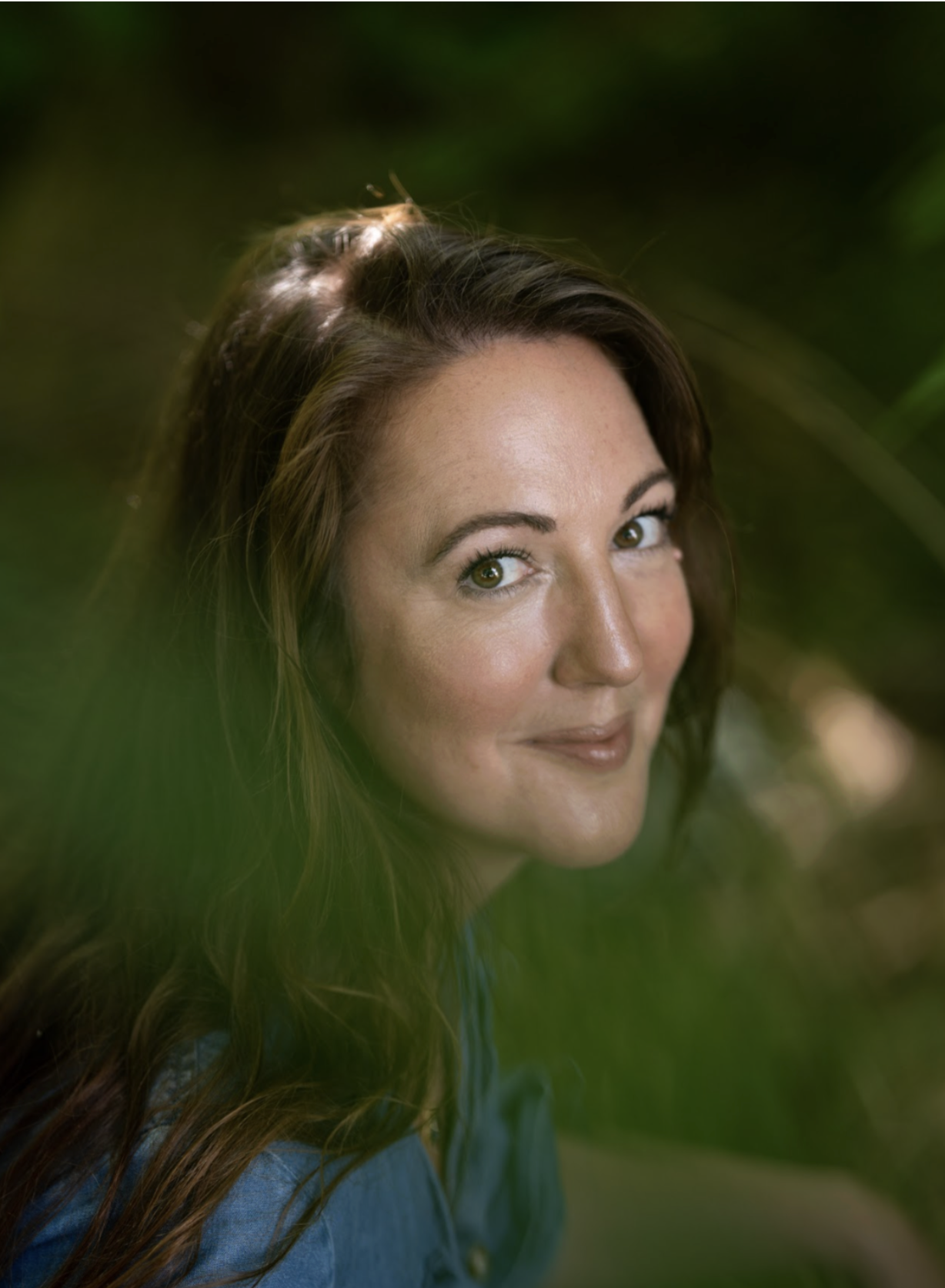
Anna Selby
Anna Selby is a writer, researcher, and naturalist. Her most recent chapbook, Field Notes, written in and under the Atlantic Ocean over three years (using waterproof notebooks) was a bestseller for two years running with The London Review of Books Bookshop, was featured on BBC Radio 4’s Front Row and was an Irish Times Book of the Year.
She was a Lecturer in Engaged Ecology and Regenerative Economics at Schumacher College, was one of the judges for the 2022 Ginkgo Prize for Ecopoetry, was co-editor of environmental, feminist publisher, Hazel Press and has done a Practice-Based PhD on Empathy, Ecology and Plein Air Poetry at Manchester Metropolitan University. She specialises in intersectional environmentalism, poetry in translation, international activist and environmental writing - formerly working at the UK’s first Literature House, The National Centre for Writing, and as Literature and Spoken Word Programmer at Southbank Centre, where she organised the largest poetry festival in the world, Poetry Parnassus.
Anna has been Writer-in-Residence at Cambridge Conservation Initiative, The Wordsworth Trust, and Wealden Literary Festival. Her poetry often explores our connection with water and the living world. She writes poetic-studies of different species in-situ, directly from life, often underwater or at sea, and aims for these poems to share a sense of compassion and attentiveness to the environment. She also works on cross-artform, poetry-dance and multi-disciplinary pieces that tour the UK and collaborates with dancers, choreographers and conservationists.
Instagram: TheNatureTable
X: @anna_selby
Frequently Asked Questions
-
This course is open to anyone curious about the intersections of plant science, creativity, ecology and the more-than-human world.
You may be an artist, writer, educator, scientist, gardener, designer, therapist, activist or practitioner seeking fresh perspectives on perception, intelligence and intra-relationship. You may be looking to deepen your connection with the living world, expand your practice, or explore emerging ideas in plant philosophy, cognition and ecological thinking.
-
No, we welcome people from all backgrounds and no prior knowledge is required. What matters most is a willingness to observe closely, think openly and participate in a shared process of inquiry.
Please let us know if you have any specific needs and we’ll do our very best to ensure you feel fully welcomed and cared for.
-
This is a five-day immersive residential course. Participants are encouraged to engage fully with the programme and the shared life of the community. The experience includes morning, afternoon and some evening sessions, alongside informal conversations, shared meals and time for personal reflection.
No preparation is required in advance, although participants may wish to begin engaging with some of the themes in their own time.
-
All materials will be provided. Feel free to bring anything that may support your comfort. Some sessions will be held outside and weather during the autumn can be changeable, so please come prepared with suitable outdoor clothing, footwear and a water bottle.
The Venue
What Participants Say…
““I had the privilege of participating in a Creative Ecology residency led by Anna Selby, and working with her was such an enriching and fulfilling experience. She is an exceptional facilitator—compassionate, patient, and deeply attuned to those she works with. Her diligence creates a productive environment, while her gentle, considered presence fosters space for trust and openness. The generosity of her guidance made the residency not only a space for creative growth but also a wonderfully rewarding collaboration.”
- Marie-Charlotte, Workshop Participant