

Transgressive Story-Telling in Times of Crisis:
An Empatheatre Short Course
15th September - 17th September 2026
In-person, Rill Estate, South Devon
What might become possible if we approached the challenges of our time beyond traditional academic analysis and expertise, but through democratic public storytelling and deep listening? How might our capacity for transformation change if we learned to engage with complex social and ecological realities both intellectually and emotionally?
By bringing together artistic practice, participatory research and public dialogue, Empatheatre offers an invitation to reimagine community led research and explore how we learn, lead and respond to the challenges of our interconnected world.
Key Information
-
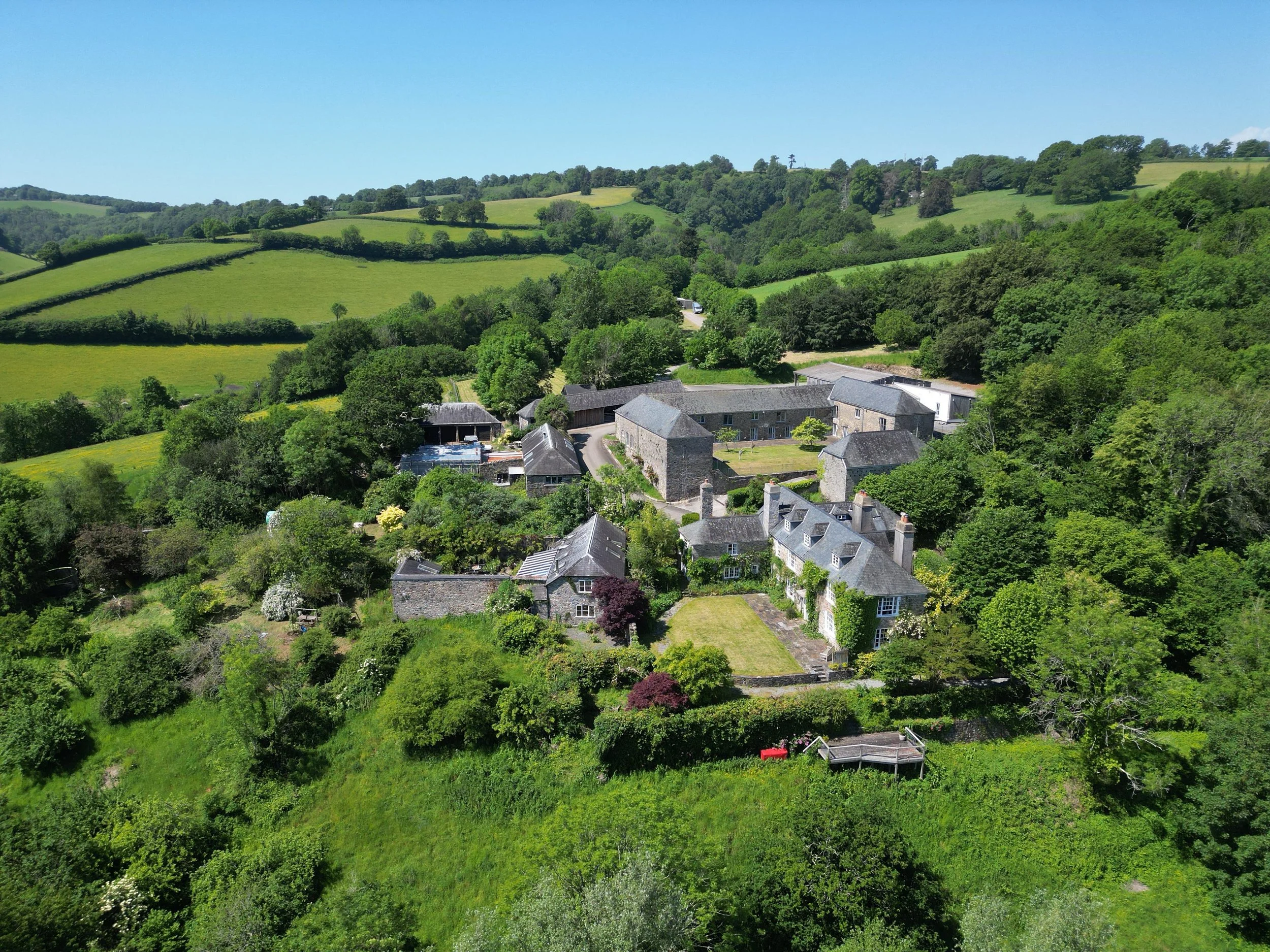
At the beautiful Rill Estate in our local bioregion of South Devon.
-
15th - 17th September 2026
-
From £390 - 525
-
This is a 3-day course running from Tuesday 15th to Thursday 17th September 2026, hosted in-person.
Course Overview
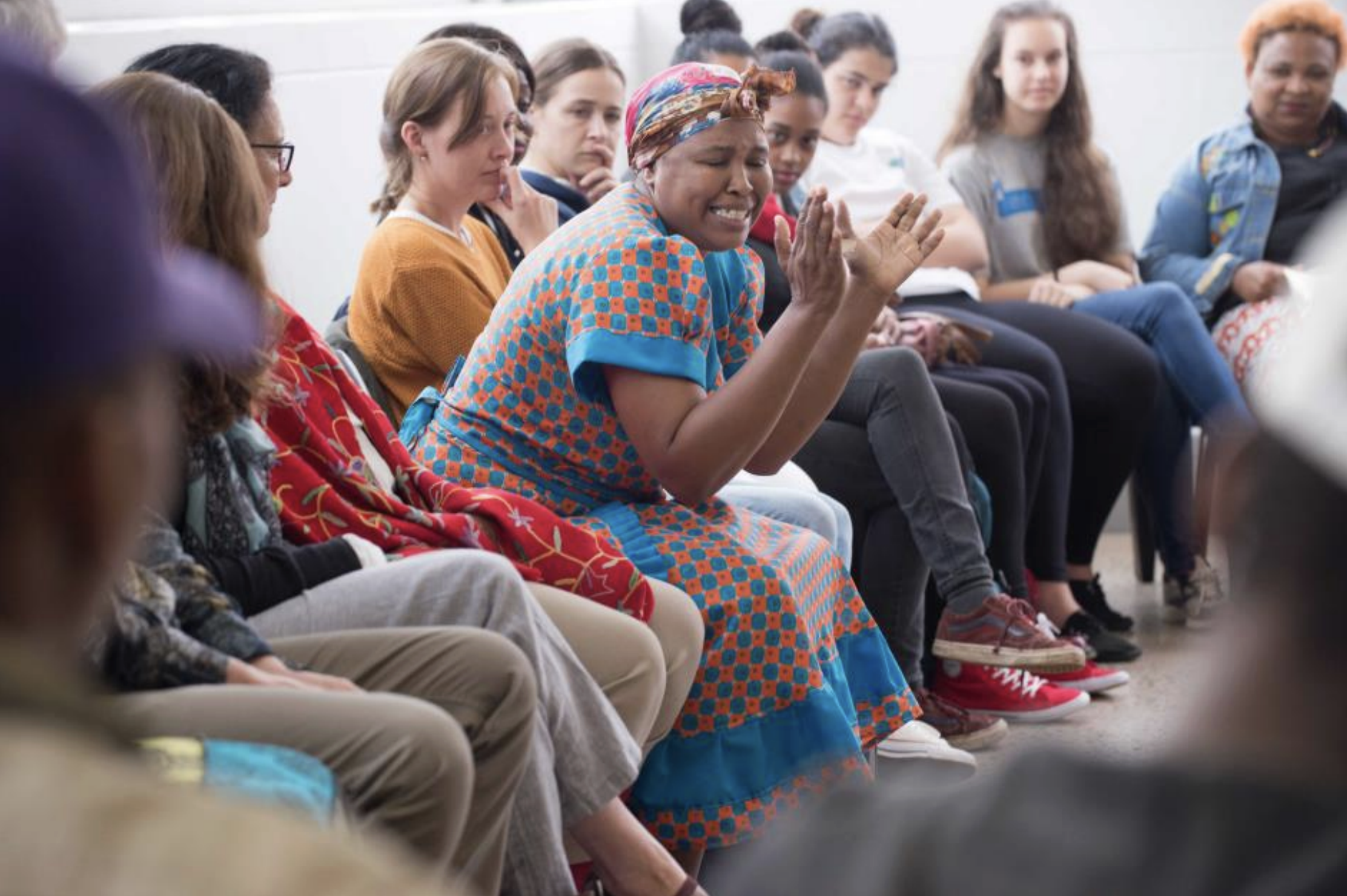
Empatheatre is an award-winning collaborative methodology developed by artists, citizens and researchers in South Africa. Combining theatre, storytelling, community engagement and participatory research, it creates spaces where people can engage deeply with some of the most complex social and ecological challenges of our time.
Rooted in the belief that transformation requires both feeling and thinking, Empatheatre brings together diverse ways of knowing to build understanding, strengthen relationships and support collective action. Through powerful stories drawn from lived experience, participants are invited into a process of listening, reflection and dialogue that can reveal new possibilities for navigating conflict, uncertainty and change.
This immersive course introduces the principles, practices and impacts of Empatheatre's work, exploring how storytelling can become a tool for social learning, regenerative research, community resilience and systems transformation.
Drawing on work that has informed environmental justice movements, policy processes, legal cases and international forums including the United Nations, participants will explore how story-telling and empathy can become a practical force for change.
On this course you will:
Experience Empatheatre's unique approach to storytelling and collective meaning-making.
Explore how empathy can be cultivated as a social and political practice.
Learn about transdisciplinary approaches that bridge academic, community, Indigenous and artistic knowledge systems.
Engage with methods for participatory research, collaborative inquiry and knowledge co-production.
Discover how storytelling can support conflict transformation, dialogue and community resilience.
Examine the role of art in policy-making, environmental justice and democratic participation.
Explore practices that democratise not only research design, but also research analysis and interpretation.
Reflect on how creative methodologies can support regenerative futures in times of ecological and social crisis.
Learn from real-world examples where Empatheatre has contributed to legal, policy and community transformation processes.

Course Structure
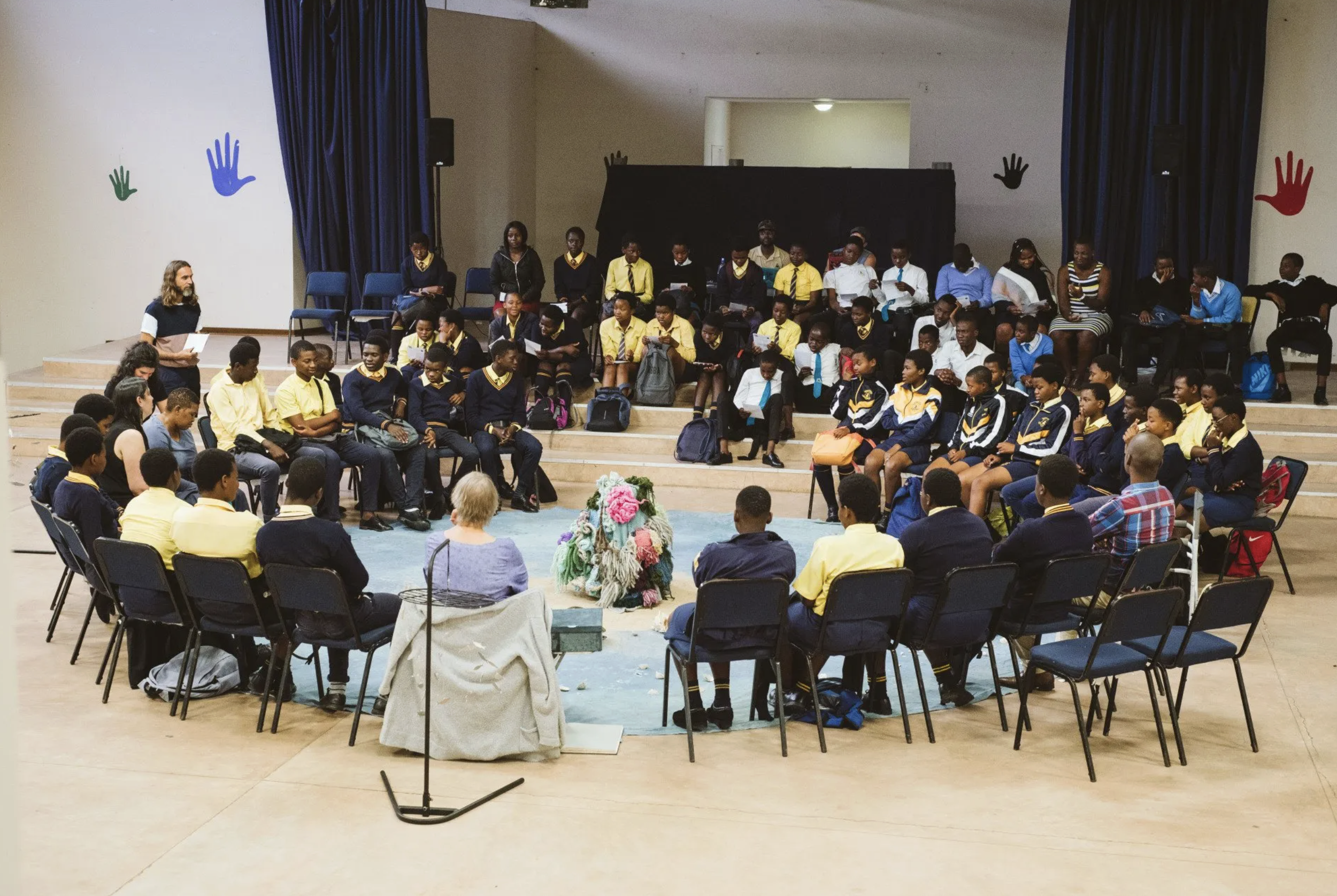
The course combines experiential learning, performance, dialogue and critical reflection.
Participants will engage with:
Live performances and storytelling practices developed through the Empatheatre methodology.
Interactive workshops exploring empathy, listening and collaborative meaning-making.
Discussions on the relationship between storytelling, sustainability transformations and social change.
Case studies from Empatheatre's work with coastal communities, environmental defenders and communities experiencing rapid ecological change.
Practical exercises in participatory and arts-based research methods.
Opportunities for individual and collective reflection on how these approaches can be applied within participants' own contexts.
The course will also include a performative lecture by Empatheatre's founders, as an introduction to Invisible Theatre practices, and facilitated post-performance dialogues that model Empatheatre's distinctive approach to creating "third spaces" for inclusive public conversation.
Why Join This Course?
We are living through a time of overlapping ecological, social and political crises that require new ways of learning, relating and responding. Facts alone are often insufficient to create the understanding and connection needed for meaningful change.
Empatheatre offers a powerful and practical response. By bringing people together through story, performance and dialogue, it helps cultivate the empathy, imagination and collective intelligence needed to navigate complexity.
This course is for practitioners, researchers, educators, artists, activists, policy-makers and community leaders seeking innovative approaches to transformation. Whether you work in sustainability, social justice, governance, education or community development, you will leave with new insights, tools and experiences for fostering deeper participation, more inclusive decision-making and more regenerative forms of change.
At its heart, this course asks a simple but profound question: what becomes possible when we learn not only to think together, but also to feel together?
Venue:
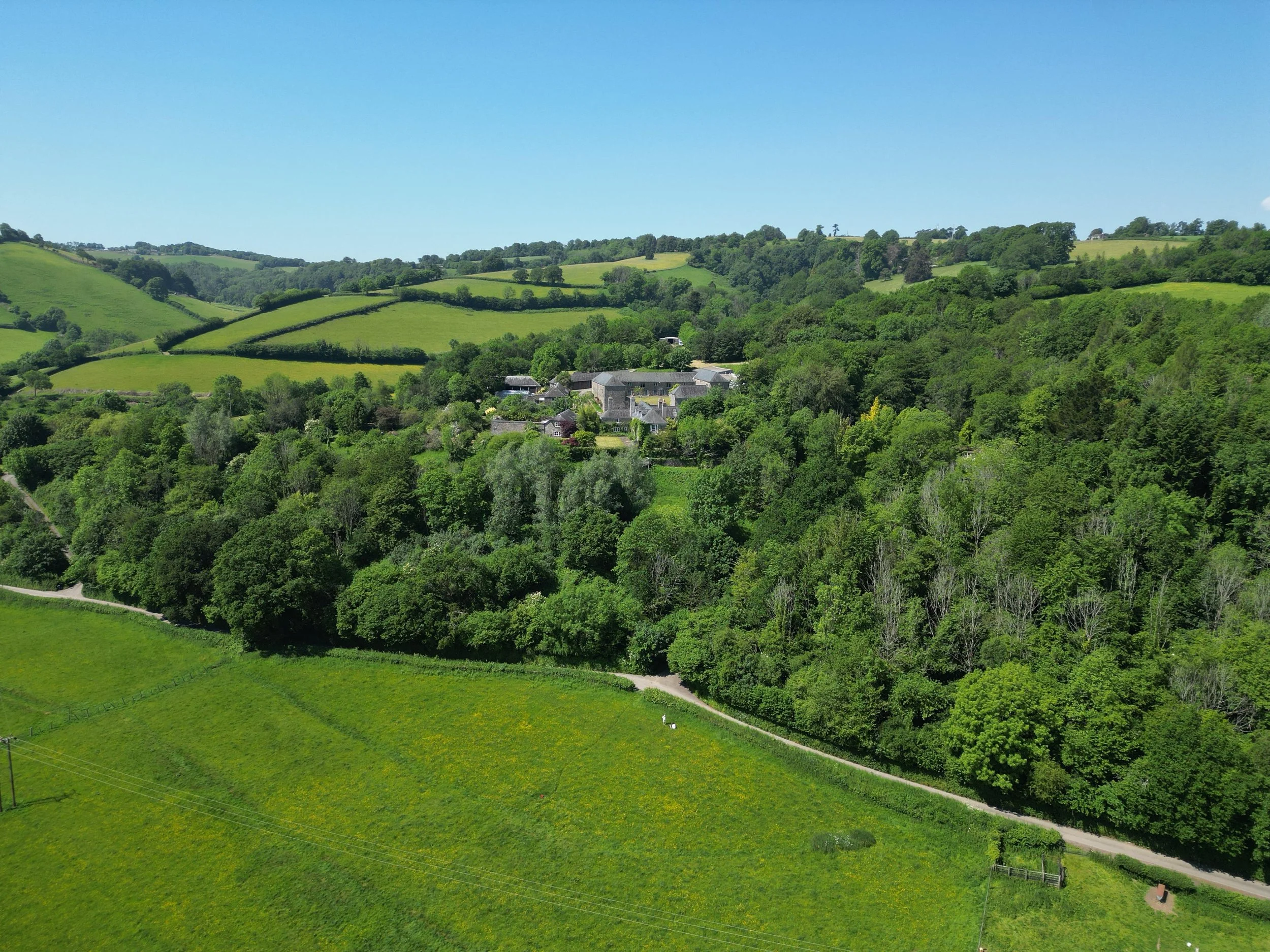
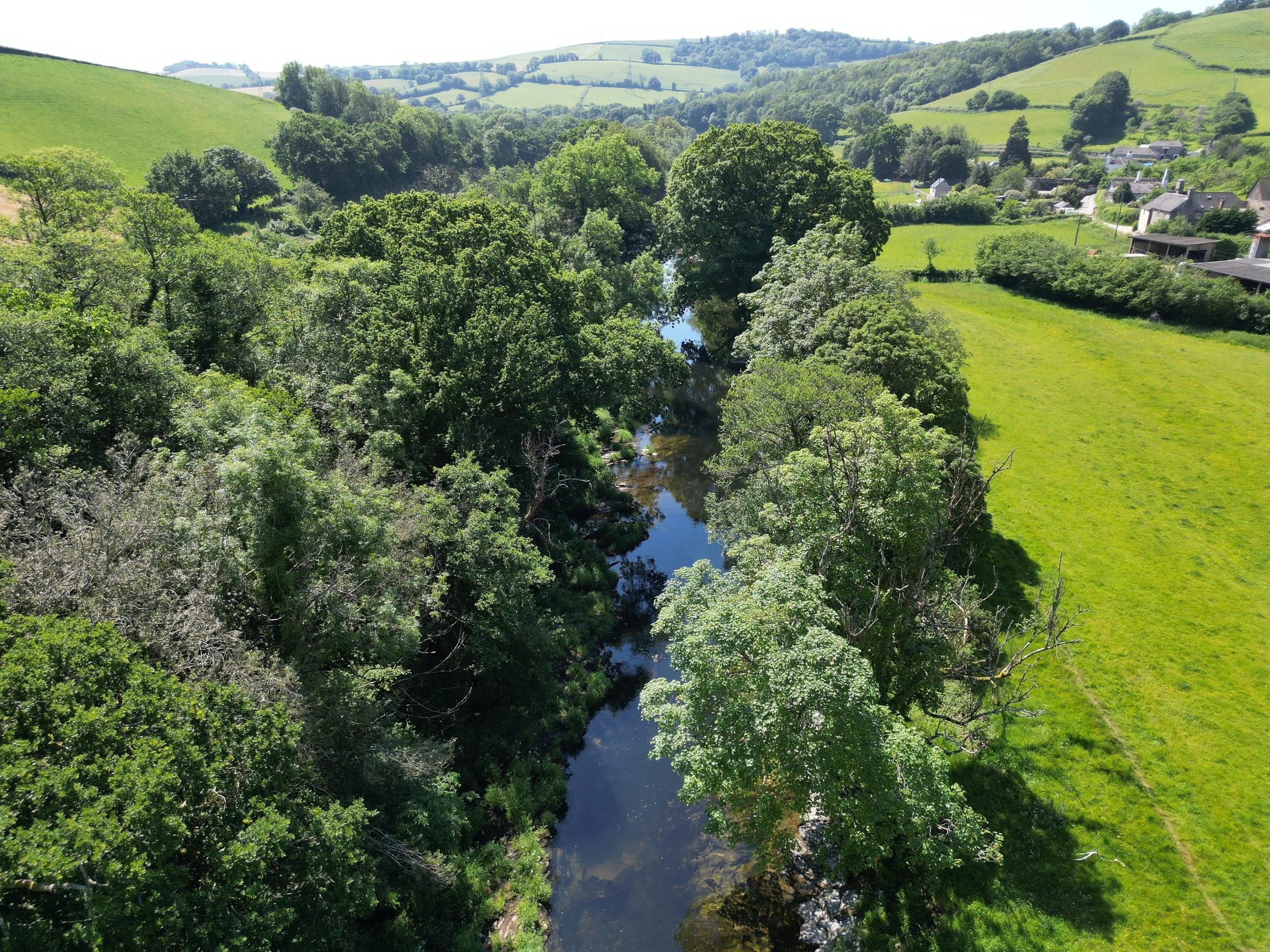
This course is hosted in-person at the beautiful Rill Estate in our local bioregion of South Devon. You will be held by the presence of the River Dart, rolling hills and ancient woodland. You will live in community with others, coming together over shared meals and activities that foster joy, relaxation and connection. Community life is at the heart of the Schumacher experience, and everyone plays a small part in caring for it by helping with simple daily tasks such as preparing for meals, washing up and looking after shared spaces. Our vegetarian food is freshly and lovingly prepared on site, and we can cater for many dietary requirements. To ensure your comfort, we have a range of single and shared rooms available.
Fee:
£390 - £525 (non-residential and single rooms)
Note: we have a limited number of non-residential places available - book now to avoid disappointment!
Tutor - Dr Dylan (Dyl) McGarry
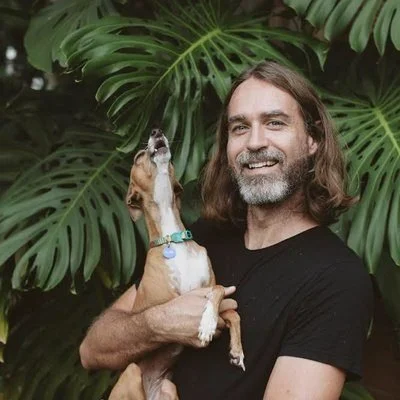
Dylan practices across the fields of Education, Sociology, Ecology, and the Arts. As such Dyl (preferred pronoun) works with several tentacles touching the world, as an Educational Sociologist, Cultural Ecologist, multi-media artist, artivist, curator, theatre and film maker. Dylan has a PhD in Environmental Education and Art, as well as degrees in Marine Science, Environmental Science and Sustainable Rural Development. As co-founder of Empatheatre, their work and praxis draws from the power of public storytelling (theatre, film, animation) as a mechanism for regenerative community building, pro-active justice, active empathy, meaning-making and fostering inclusive forms of governance in complex social-ecological entanglements. Their areas of research span a wide spectrum, including Environmental Humanities, Transgressive Social Learning, Public Pedagogy, Theatre-based Research, Arts-based Research, Visual anthropology, legal anthropology, Queer Eco-Pedagogy, Post-humanism, New Materialism, and critical African feminist approaches to co-engaged research. Dylan is the recipient of the Bertha Foundation’s 2022 Artivist award, for their ongoing art-activism, a title Dylan shares with Empatheatre co-founders, Neil Coppen and Mpume Mthombeni, as well as two 2023 national Social Science and Humanities (NHSS) awards for best curated exhibition and best digital humanities output, along with numerous theatre, environmental, and research awards. Dylan is most interested in the profound role of connective aesthetics, social sculpture, and 'making' as essential forms of thinking and theorizing, what they like to call “meaning ∞ making”.
Tutor - Ruth Ben-Tovim
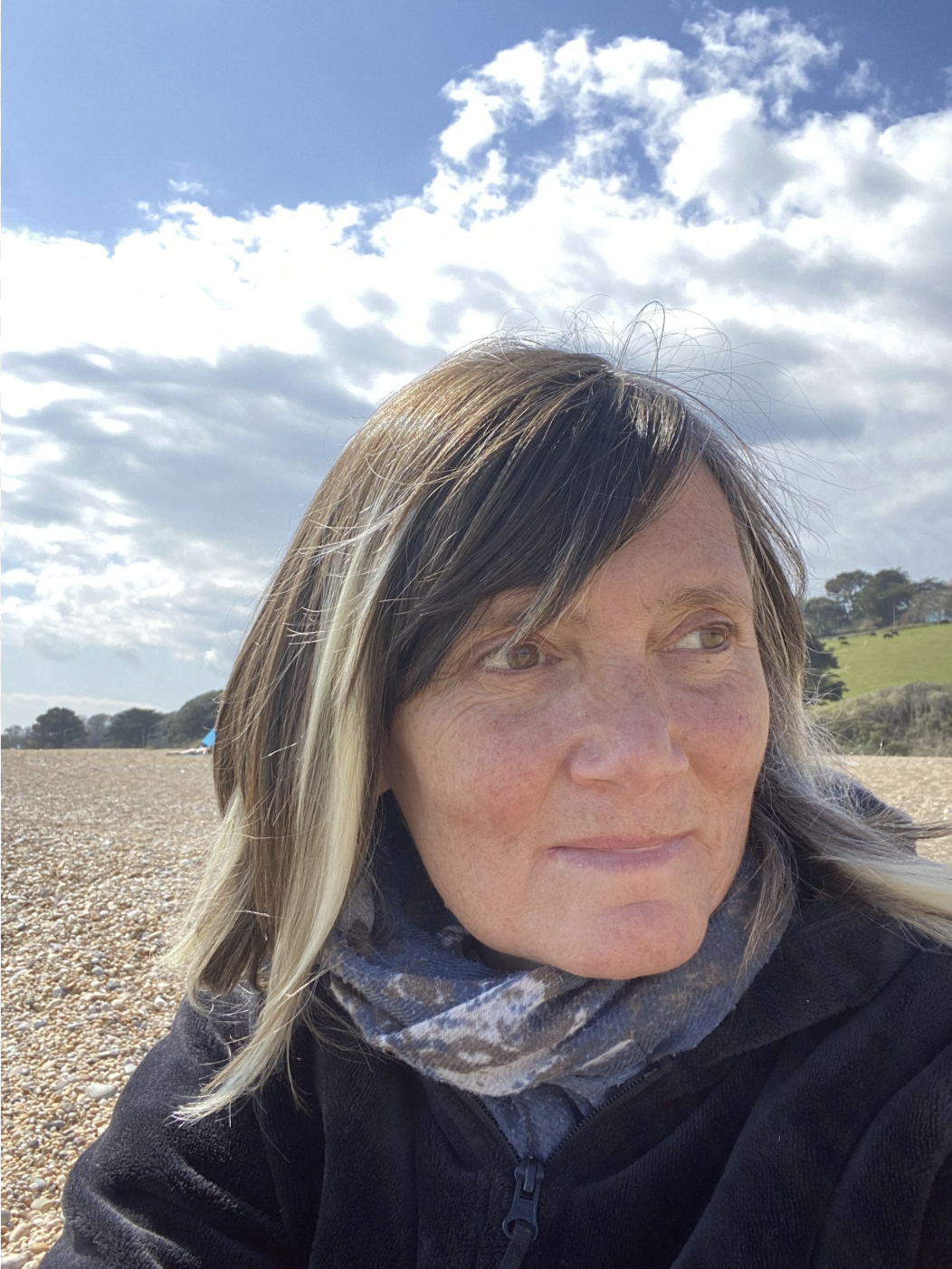
Ruth Ben-Tovim has worked as an artist and community facilitator for over 30 years, using the transformational power of the arts to work creatively with people across the arts, public, education and voluntary sectors. Before focusing her creative practice as a socially and ecologically engaged artist she worked as a theatre maker devising, creating and touring work in collaboration with scientists and writers. From 2003 – 2020 she was the co- founder and Exec Director of Encounters Arts midwifing over 90 intimate creative and participatory interventions and processes across the UK that invited thousands of people from different backgrounds to explore and express their experiences of the past, responses to the present and hopes and fears about the future. Work included being part of the team representing the UK at the Venice Biennale of Architecture, projects for Liverpool Capital of Culture and the RSA Art and Social change programme in Peterborough. Ruth held local and national roles in the early stages of Extinction Rebellion and she was one of the co-founders of the Culture Declares Emergency movement. She is currently one of the co directors of Walking Forest ten year international project combining women, trees and activism that was part of the UK Season for Change Programme and commissioned by Coventry City of Culture and she is the co-designer and facilitator of Town Anywhere : Rehearsing the Future , a large Scale immersive community visioning project.
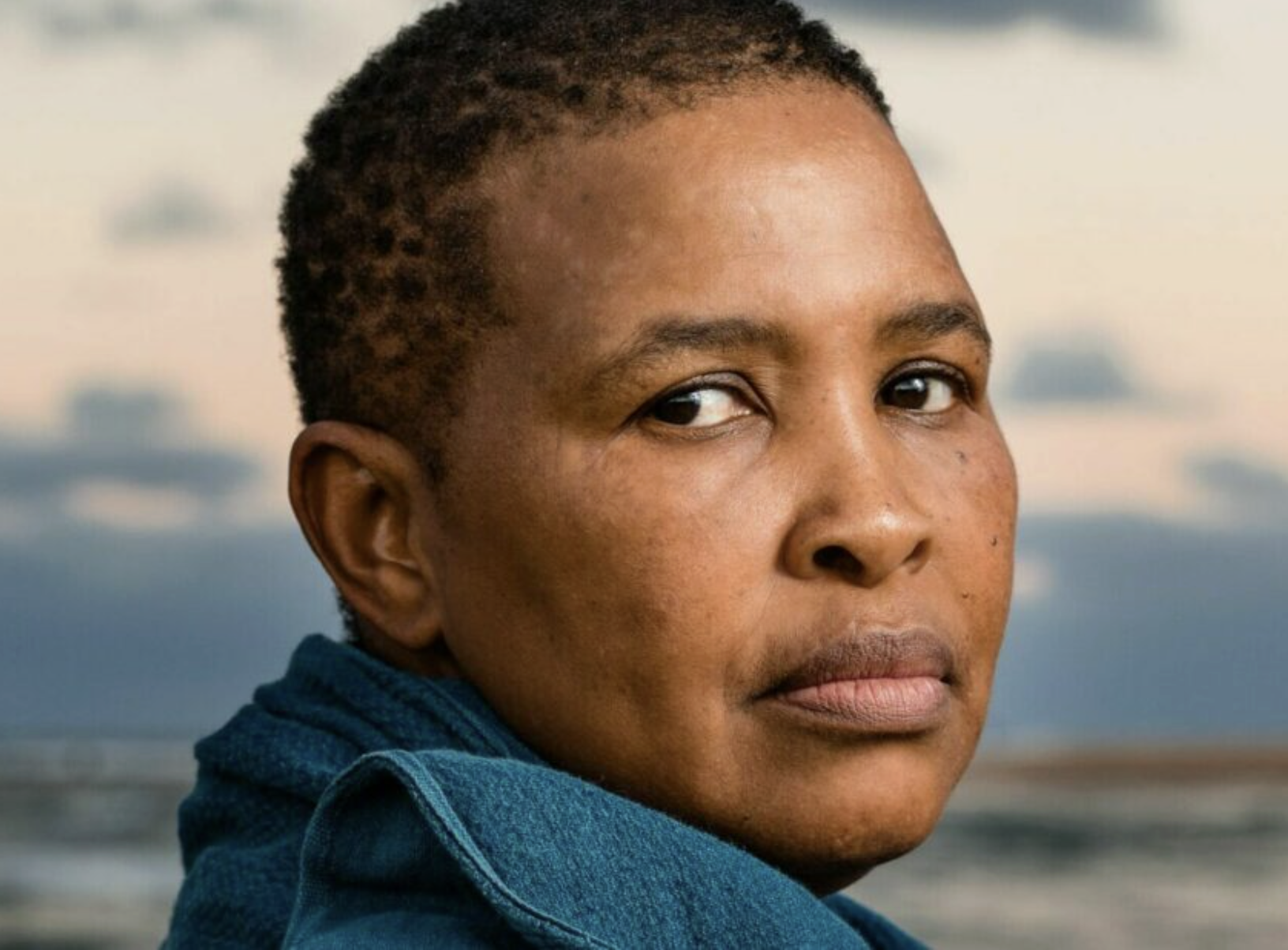
Tutor - Mpume Mthombeni (Online)
Mpume Mthombeni is an award-winning performer and theatre-maker who hails from Umlazi, Durban. Mthombeni has taken on multiple roles over the years in theatre, radio, film and television, drawing international acclaim for her performance in Tin Bucket Drum which she toured to New York in 2012. Some of Mthombeni’s other theatre credits include Animal Farm, Soil & Ash, NewFoundLand, Ulwembu, The Last Country and Lalela uLwandle. Her work with Empatheatre focuses on merging research and performance and she considers the theatre-maker’s role in contemporary South Africa to be that of healer and Shaman.
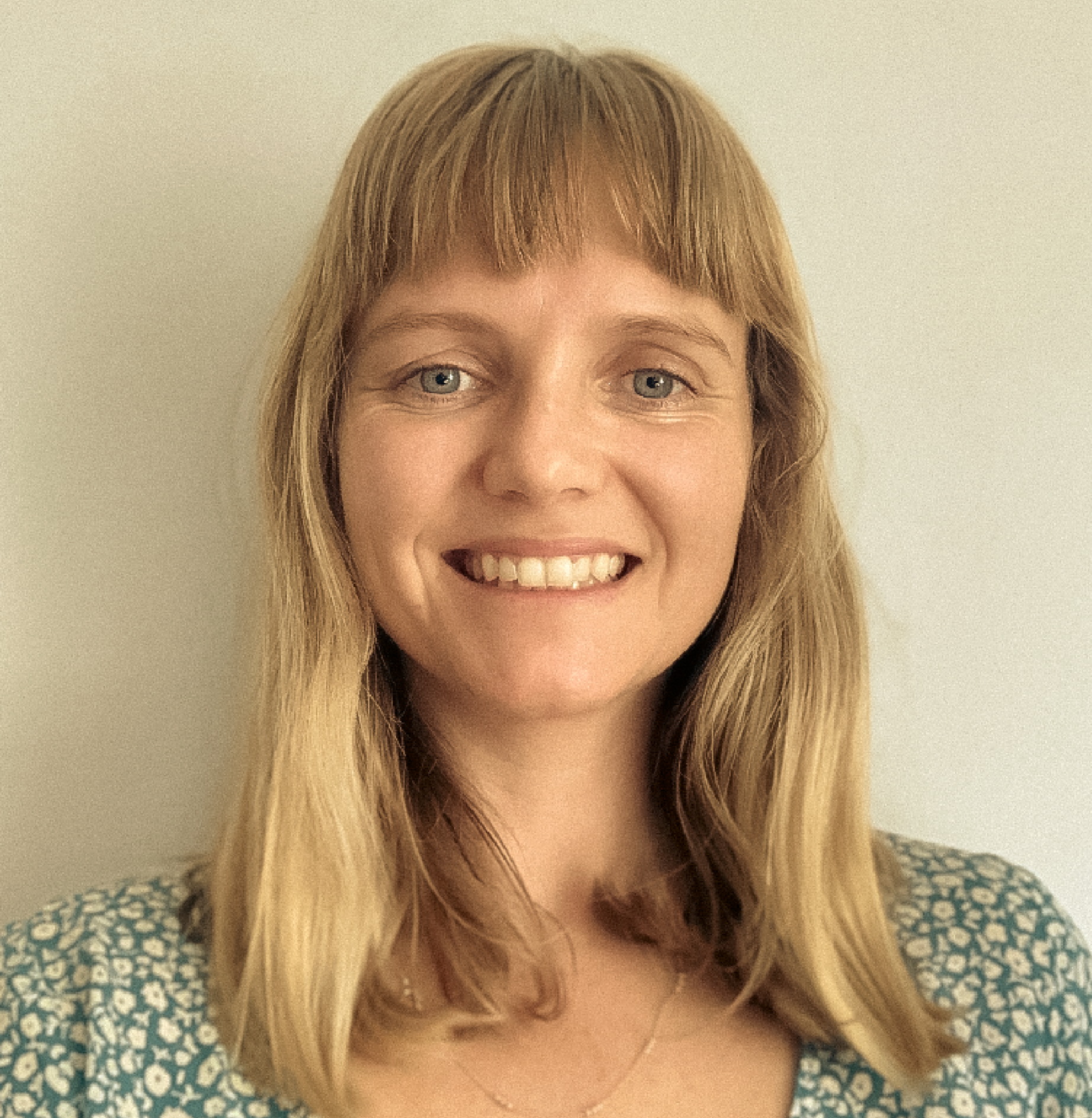
Facilitated by - Georgina Campbell
Georgina is a designer, facilitator, and researcher whose work is rooted in emergent processes, exploring how mindsets shape the worlds we create. A graduate of Schumacher College with an MA in Ecological Design Thinking, brings a deeply sensitive approach to working with complexity – acknowledging the invisible, tending to relationships, and fostering more inclusive, care-focused realities. Alongside her work with Schumacher College, and the Schumacher Magazine Project, she is currently working with the Wild Law Institute in reimaging the law to account for the whole community of life.
Her background spans Engineering, Architecture, Environmental Design, Art, and Small Business Management, allowing her to navigate the intersections of design, group dynamics, and ecological paradigm shifts. She is particularly interested in how we cultivate resilient and adaptive collective nervous systems to meet the uncertainty of our times, as well as the role of play and imagination in the healing of society and the transformative potential of education.
Collaborating with an inspiring network of practitioners and organizations, her work (whether consulting, designing, or engaging in thought-provoking conversations) is guided by a commitment to regenerative and relational ways of being.
The Venue
About Empatheatre
Empatheatre is one of South Africa’s most celebrated and internationally recognised theatre collectives: a methodology, a movement, and a democratic experiment in public storytelling. Co-founded in 2014 by Dr. Dylan McGarry, Neil Coppen, and Mpume Mthombeni, the collective has spent over a decade transforming community research into embodied story, and audiences into deliberative assemblies. Their work has toured across South Africa and internationally to Egypt, Italy, Norway, Switzerland, the Netherlands, Germany, Spain, and New York, and their approach is now taught in universities and schools around the world.
Empatheatre’s accolades speak for themselves. They are winners of the Bertha Foundation’s 2022 Artivist Award, South Africa’s most prestigious theatre prize — the Fleur du Cap Award for Innovation in Theatre (2023) — multiple Naledi Awards including Best Direction and Best Theatre Production (2024), the DUT Chancellor’s Award for Engagement (2020), and two national NHSS Awards for Best Curated Exhibition and Best Digital Humanities Output (2023). Their animated film Indlela Yokuphila won the 2024 HSS Best Digital Humanities Project for Community Engagement.
On the world stage, Empatheatre was invited by the United Nations Framework Convention on Climate Change to perform at COP27 in Sharm El-Sheikh, Egypt — the first time theatre was used in that aspect of the policy summit. They subsequently performed at the UN Food and Agriculture Organisation headquarters in Rome and ran high-level capacity workshops for UN delegates. Co-founder Mpume Mthombeni delivered a keynote address at UN World Oceans Day in New York, sharing the stage with celebrated oceanographer Sylvia Earle and receiving a standing ovation in the General Assembly. Her speech — “Why Storytelling is the Sacred Medicine Ocean Governance Needs” — was watched by millions via live stream.
Most significantly, Empatheatre pioneered the use of art as legal evidence. Their animations, radio plays, and theatrical research were admitted as evidence in the landmark 2021 court case against Shell’s deep seabed seismic survey programme — the first time art had been used in this way in South African legal history. The case was won. Shell’s operations were halted. The court ruled that the sacred relationship of coastal communities with the ocean must be respected in law. A new precedent was set: the ancestors are present in the courtroom.
“Empatheatre is a quiet, nonviolent, careful and deeply empathetic approach to ‘political acupuncture’”
- Dylan McGarry