What would whales say if we ask the right questions?
An Empatheatre Film Evening and Citizen Assembly
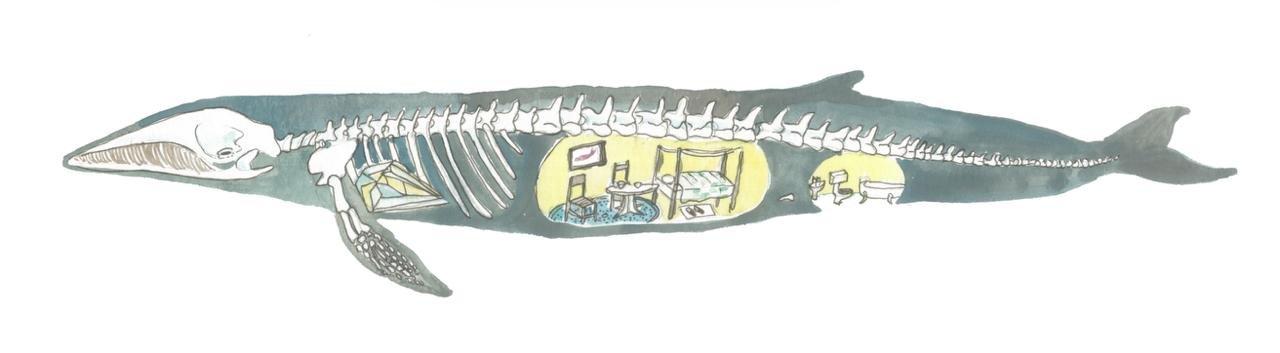
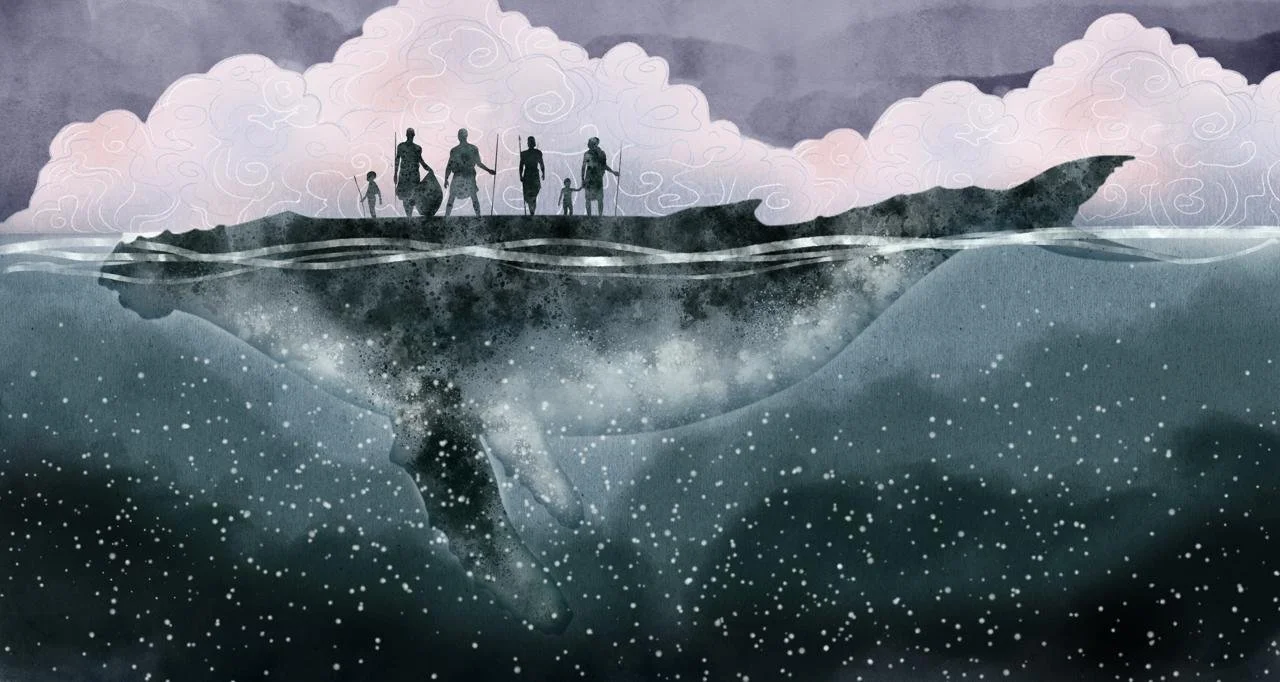
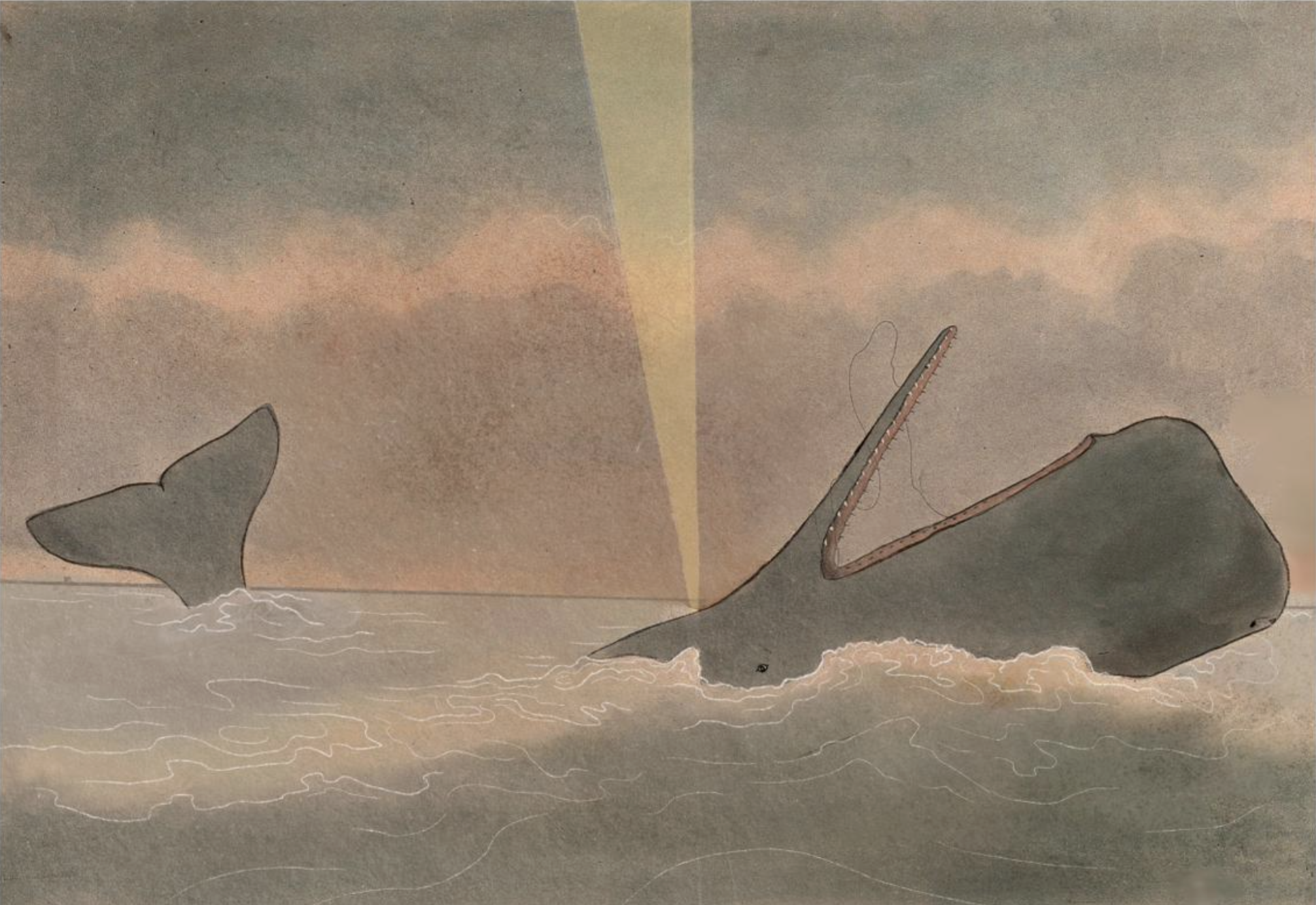
Artwork: Dylan McGarry
25th May 2026, 6:00pm - 8:30pm
Totnes United free Church, 56 Fore St, Totnes, Devon
Tickets: £5-10
Far beneath the surface of the ocean, whales are speaking, sharing patterns of sound we are only just beginning to understand. What might it mean to listen to the more-than-human world?
This event invites a turning towards the more-than-human world - through film, storytelling, and collective inquiry. Moving between witnessing and participation, we will open a space to explore relationship, communication, and responsibility during this time of ecological unravelling.
Your Guide for the Evening Dr. Dylan McGarry (Dyl) is an Educational Sociologist, Cultural Ecologist, artist, artivist, curator, and theatre and film maker based in South Africa. Dyl brings a rare combination of scientific training, artistic practice, and grassroots legal activism to the question of how art, public storytelling and social sculpture can make meaningful contributions to law, governance and decision making in times of crisis?
As co-founder of Empatheatre, Dyl has spent over a decade transforming community research into embodied story, and audiences into deliberative assemblies. Their artistic work has entered courtrooms, UN negotiations, and policy chambers. They were part of the team behind a historic legal victory against Shell’s deep seabed seismic survey programme on the South African Wild Coast; in which Empatheatre’s animations and theatrical research became the first works of art used as legal evidence in a South African court. The court ruled that the sacred relationship of coastal communities with the ocean, including the presence of ancestors in the sea, must be respected in law.
Programme:
Part 1: Empatheatre Film Screening & Conversation (40 minutes)
A curated selection of short Empatheatre films exploring how art and storytelling can act in solidarity with the more-than-human world and with the Indigenous coastal communities who hold living relationships with it. The programme includes Indlela Yokuphila (The Soul’s Journey): an animated film drawing on Zulu cosmology to tell the story of the soul’s passage through the water cycle, which was used as legal evidence in the Shell seismic survey case; and a documentary on Umkhosi Wenala (Festival of Abundance), a community-made musical tracing 200 years of forced removals and ocean dispossession in northern KwaZulu-Natal. Dylan will explore this case, as a means to show how theatrical and arts-based interventions managed to support tenure struggles of misplaced indigenous peoples in South Africa, but also build new living archives and surface customary practices of governance with the more-than-human world, that had been erased through colonial capture and genocide.
Part 2: Citizen Assembly: What Would Whales Say if we ask the right questions? (1 hour)
This question is at the heart of Whale Fall: Empatheatre’s new work in development, exploring the ethical, cultural, and legal groundwork humanity would need to build before we could truly enter into dialogue with whales. Scientists working on Project CETI (Cetacean Translation Initiative) are already decoding the complex “codas” of sperm whales: click sequences that appear to follow grammatical rules, dialects, and rhythms of conversation. We may be within years of meaningful translation. But science alone cannot prepare us for what it would mean to truly hear whales.
For centuries, Indigenous and coastal communities have engaged in forms of communion with whales grounded in humility, reverence, and relationship. As this work moves closer to the domains of artificial intelligence and machine learning, we must ask: how do we prevent this breakthrough from repeating extractive paradigms under new names? How do we ensure that listening to whales does not become another form of colonization; this time of consciousness, communication, and interspecies connection?
Facilitated by Dylan McGarry; Georgina Campbell and Anna Selby this citizen assembly will invite participants to deliberate together across multiple perspectives: generating testimony, posing questions, and co-drafting a shared declaration. We will explore:
— What have whales remembered that we have forgotten?
— What does consent look like across species?
— What must we change in ourselves to truly listen?
— What is a question worthy of your longing, that you would ask a whale?
Together these activities will support co-drafting of a code of practice for interspecies encounter: one grounded in care, reciprocity, and ecological humility. In the words of the Whale Fall project: this is both a rehearsal for a play, and a rehearsal for interspecies democracy.
*The More than Human Life Project (MOTH) and CETI have recently developed a legal protections for Whale communication, with moral philosophers, scientists and lawyers. Empatheatre is supporting this action, by democratising drafting these protections with everyday citizens through public storytelling. They have also made an online survey you could support in preparation for the assembly.
Buy A Ticket
25th May 2026, 6:00pm - 8:30pm, Totnes, Devon
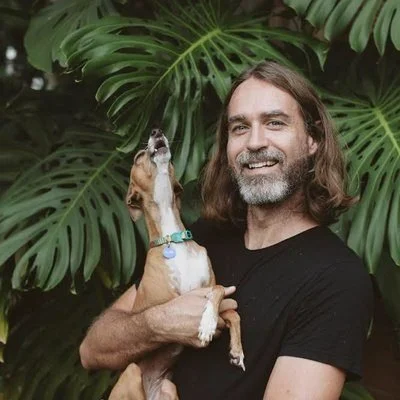
Dr Dylan (Dyl) McGarry
(aka Dylan Whale) practices across the fields of Education, Sociology, Ecology, and the Arts. As such Dyl (preferred pronoun) works with several tentacles touching the world, as an Educational Sociologist, Cultural Ecologist, multi-media artist, artivist, curator, theatre and film maker. Dyl has a PhD in Environmental Education and Art, as well as degrees in Marine Science, Environmental Science and Sustainable Rural Development. As co-founder of Empatheatre, their work and praxis draws from the power of public storytelling (theatre, film, animation) as a mechanism for regenerative community building, pro-active justice, active empathy, meaning-making and fostering inclusive forms of governance in complex social-ecological entanglements. Their areas of research span a wide spectrum, including Environmental Humanities, Transgressive Social Learning, Public Pedagogy, Theatre-based Research, Arts-based Research, Visual anthropology, legal anthropology, Queer Eco-Pedagogy, Post-humanism, New Materialism, and critical African feminist approaches to co-engaged research. Dylan is the recipient of the Bertha Foundation’s 2022 Artivist award, for their ongoing art-activism, a title Dyl shares with Empatheatre co-founders, Neil Coppen and Mpume Mthombeni, as well as two 2023 national Social Science and Humanities (NHSS) awards for best curated exhibition and best digital humanities output, along with numerous theatre, environmental, and research awards. Dylan is most interested in the profound role of connective aesthetics, social sculpture, and 'making' as essential forms of thinking and theorizing, what they like to call “meaning ∞ making”.
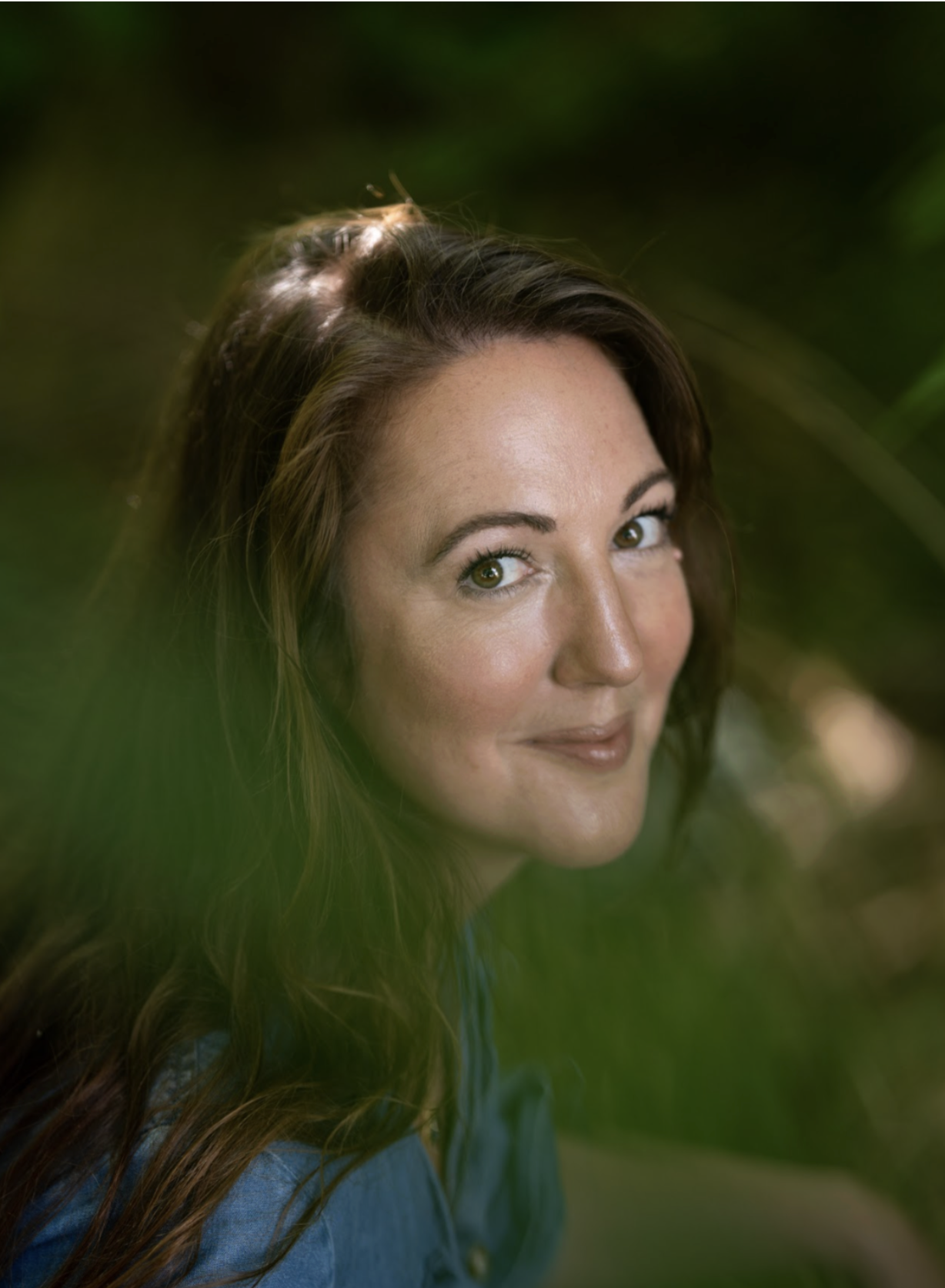
Anna Selby
Anna Selby is a writer, researcher, and naturalist. Her most recent chapbook, Field Notes, written in and under the Atlantic Ocean over three years (using waterproof notebooks) was a bestseller for two years running with The London Review of Books Bookshop, was featured on BBC Radio 4’s Front Row and was an Irish Times Book of the Year.
She was a Lecturer in Engaged Ecology and Regenerative Economics at Schumacher College, was one of the judges for the 2022 Ginkgo Prize for Ecopoetry, was editor of environmental, feminist publisher, Hazel Press and is doing a Practice-Based PhD on Empathy, Ecology and Plein Air Poetry at Manchester Metropolitan University. She specialises in intersectional environmentalism, poetry in translation, international activist and environmental writing - formerly working at the UK’s first Literature House, The National Centre for Writing, and as Literature and Spoken Word Programmer at Southbank Centre, where she organised the largest poetry festival in the world, Poetry Parnassus.
Anna has been Writer-in-Residence at Cambridge Conservation Initiative, The Wordsworth Trust, and Wealden Literary Festival. Her poetry often explores our connection with water and the living world. She writes poetic-studies of different species in-situ, directly from life, often underwater or at sea, and aims for these poems to share a sense of compassion and attentiveness to the environment. She also works on cross-artform, poetry-dance and multi-disciplinary pieces that tour the UK and collaborates with dancers, choreographers and conservationists.
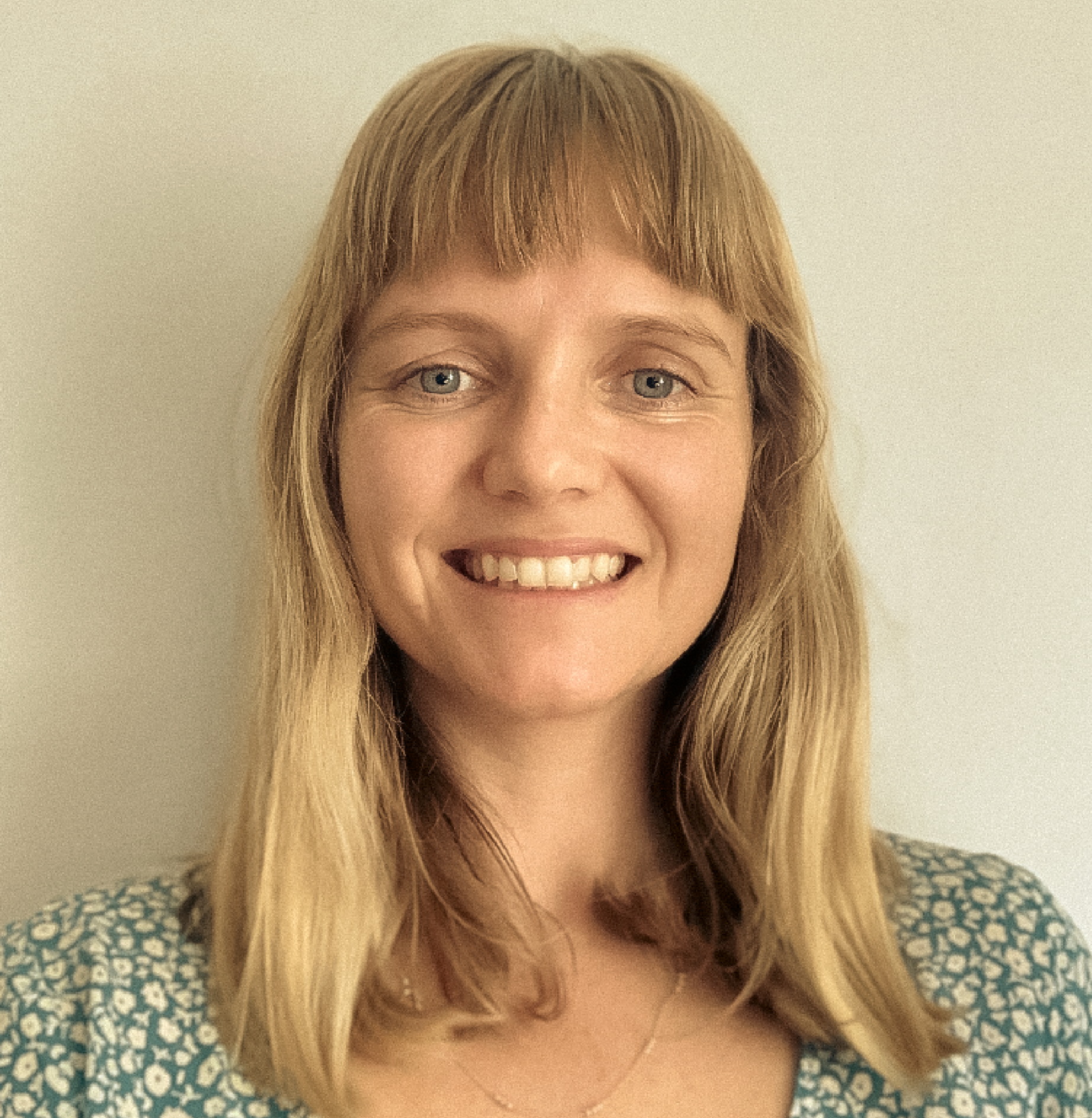
Georgina Campbell
Georgina is a designer, facilitator, and researcher whose work is rooted in emergent processes, exploring how mindsets shape the worlds we create. A graduate of Schumacher College with an MA in Ecological Design Thinking, brings a deeply sensitive approach to working with complexity – acknowledging the invisible, tending to relationships, and fostering more inclusive, care-focused realities. Alongside her work with Schumacher College, and the Schumacher Magazine Project, she is currently working with the Wild Law Institute in reimaging the law to account for the whole community of life.
Her background spans Engineering, Architecture, Environmental Design, Art, and Small Business Management, allowing her to navigate the intersections of design, group dynamics, and ecological paradigm shifts. She is particularly interested in how we cultivate resilient and adaptive collective nervous systems to meet the uncertainty of our times, as well as the role of play and imagination in the healing of society and the transformative potential of education.
Collaborating with an inspiring network of practitioners and organizations, her work (whether consulting, designing, or engaging in thought-provoking conversations) is guided by a commitment to regenerative and relational ways of being.
About Empatheatre
Empatheatre is one of South Africa’s most celebrated and internationally recognised theatre collectives: a methodology, a movement, and a democratic experiment in public storytelling. Co-founded in 2014 by Dr. Dylan McGarry, Neil Coppen, and Mpume Mthombeni, the collective has spent over a decade transforming community research into embodied story, and audiences into deliberative assemblies. Their work has toured across South Africa and internationally to Egypt, Italy, Norway, Switzerland, the Netherlands, Germany, Spain, and New York, and their approach is now taught in universities and schools around the world.
Empatheatre’s accolades speak for themselves. They are winners of the Bertha Foundation’s 2022 Artivist Award, South Africa’s most prestigious theatre prize — the Fleur du Cap Award for Innovation in Theatre (2023) — multiple Naledi Awards including Best Direction and Best Theatre Production (2024), the DUT Chancellor’s Award for Engagement (2020), and two national NHSS Awards for Best Curated Exhibition and Best Digital Humanities Output (2023). Their animated film Indlela Yokuphila won the 2024 HSS Best Digital Humanities Project for Community Engagement.
On the world stage, Empatheatre was invited by the United Nations Framework Convention on Climate Change to perform at COP27 in Sharm El-Sheikh, Egypt — the first time theatre was used in that aspect of the policy summit. They subsequently performed at the UN Food and Agriculture Organisation headquarters in Rome and ran high-level capacity workshops for UN delegates. Co-founder Mpume Mthombeni delivered a keynote address at UN World Oceans Day in New York, sharing the stage with celebrated oceanographer Sylvia Earle and receiving a standing ovation in the General Assembly. Her speech — “Why Storytelling is the Sacred Medicine Ocean Governance Needs” — was watched by millions via live stream.
Most significantly, Empatheatre pioneered the use of art as legal evidence. Their animations, radio plays, and theatrical research were admitted as evidence in the landmark 2021 court case against Shell’s deep seabed seismic survey programme — the first time art had been used in this way in South African legal history. The case was won. Shell’s operations were halted. The court ruled that the sacred relationship of coastal communities with the ocean must be respected in law. A new precedent was set: the ancestors are present in the courtroom.