Wild Law: Earth Jurisprudence in Practice
Online Course in collaboration with the Wild Law Institute
[Dates to be confirmed]
Online
What if the law recognised that humans are not separate from the living world, but part of a wider community of life?
Around the world, a shift is taking place in how we understand our relationship with the Earth.
From rivers being recognised as living beings with legal rights, to constitutional recognition of the Rights of Nature, Indigenous legal traditions informing contemporary governance, and new forms of Earth-centred law emerging across continents, a growing movement is reimagining the relationship between humans, law and the living world.
Through conversations with leading practitioners, thinkers and change-makers from around the world, participants in this course will explore the philosophical foundations, cultural traditions, legal innovations and practical approaches emerging within this field. Together, we will explore how Earth-centred ways of thinking and governing are being imagined and put into practice across different contexts.
Key Information
-
This is an online course
-
tbc
-
The full cost of the course is £xxx
-
This course is structured across eight (xx hour long) live online sessions.
What This Course Offers
Across eight live online sessions, participants will explore:
The philosophical foundations of Earth Jurisprudence and the shift from human-centred to Earth-centred ways of thinking and being
Why the ecological crisis is also a crisis of governance, and why existing environmental law has struggled to address the scale of ecological breakdown
Indigenous and ancestral legal traditions grounded in relationship, reciprocity, responsibility and belonging within the community of life
The history and development of the global Rights of Nature movement, from its intellectual precursors to contemporary constitutional, legal and international developments
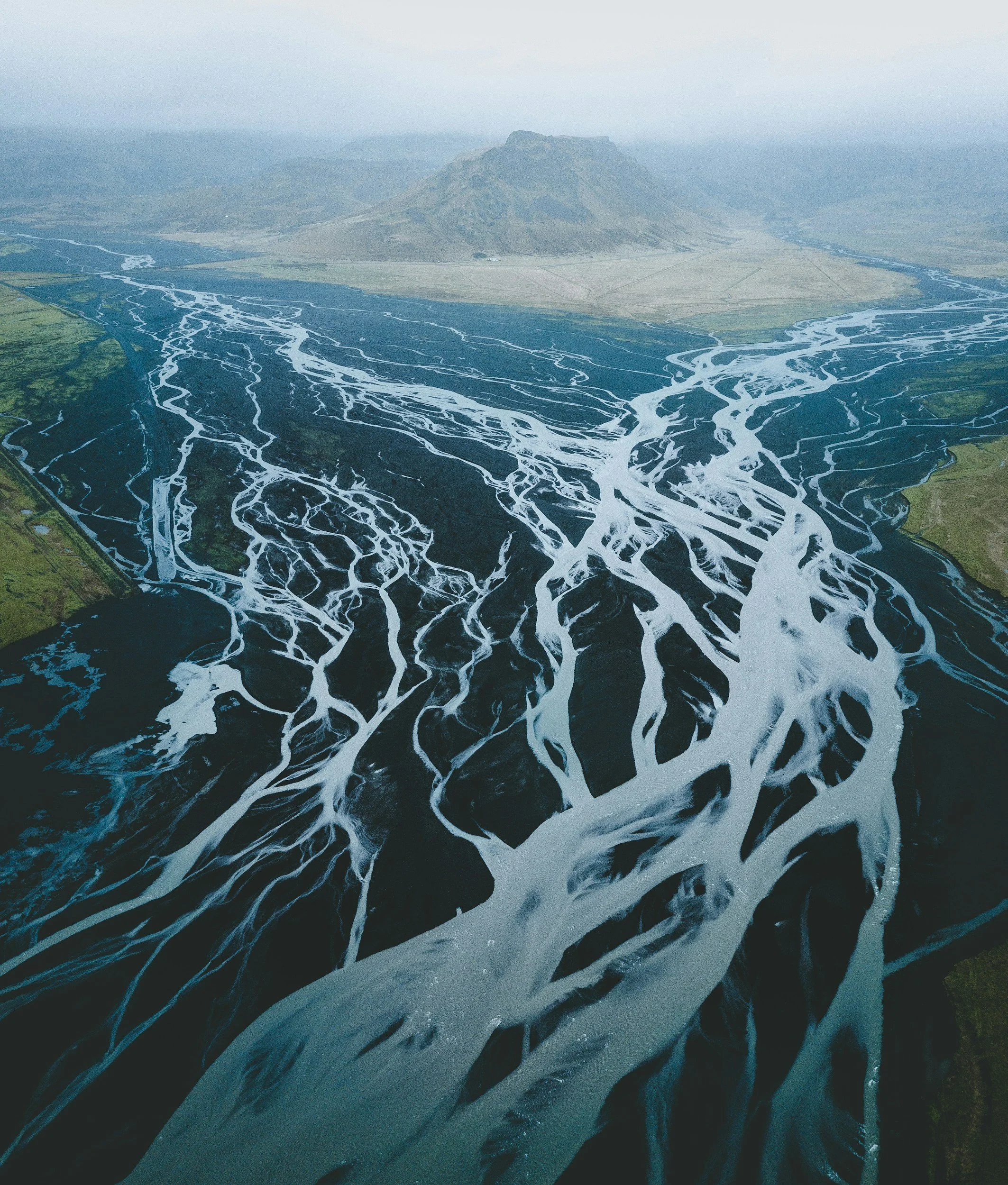
Real-world examples of Earth Jurisprudence in practice, including Rights of Rivers, river guardianship and legal personhood
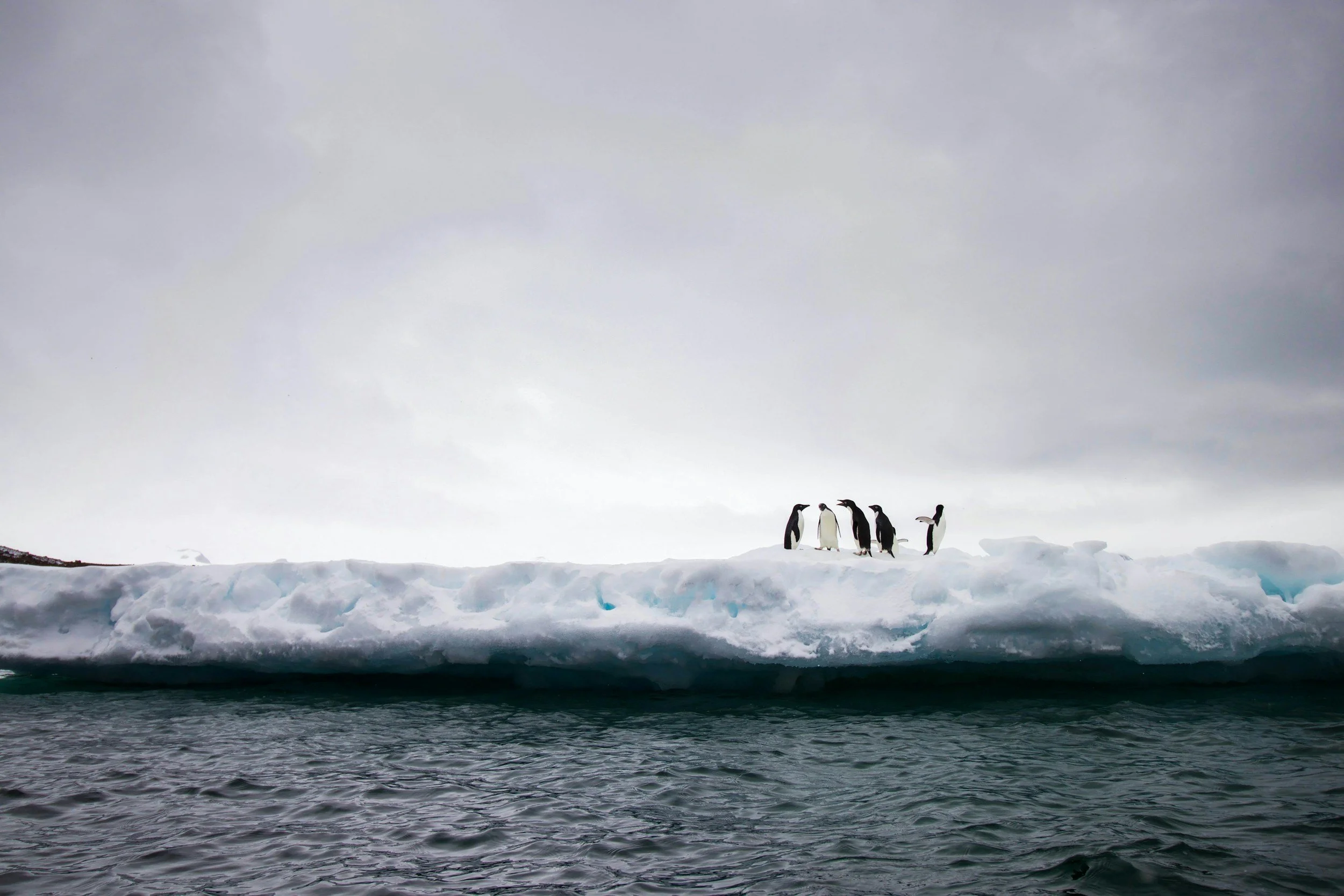
The emerging conversation around Antarctica as a participant in international affairs, including the Antarctic Declaration and Antarctic Alliance
The role of art, story, imagination and culture in transforming the systems and institutions that shape our relationship with the Earth
Practical ways to connect with organisations, campaigns, communities and initiatives working towards Earth-centred futures
How participants can translate their learning into personal and collective action in their own places and contexts
No prior legal knowledge is required. The course is an invitation to think differently about law, society and our place within the living world as well as to explore how those ideas might become practical.
Course Structure
Course sessions run every xxday from xxth march to xxth April 2027 at xx - xx UK Time (xx - xx CET), across eight live online sessions, combining expert contributions, discussion, practical exercises and smaller breakout conversations. Each session will last two hours, and will take place online via Zoom. Presenters will share slides and additional resources will be provided throughout the course.
Session 1(xx Mar) - Shifting How We Experience Life - From Human-Centred to Earth-Centred Thinking and Being
Session 2 (xx Mar) - How Did We Get Here and Where Do We Want to Go Now? The Ecological Crisis as a Crisis of Governance
Session 3 (xx Mar) - Indigenous and Ancestral Law and Legal Thought
Session 4 (xx Mar) - The Global Rights of Nature Movement
Session 5 (xx Mar) - Rivers as Living Beings
Session 6 (xx Mar) - Rights of Nature in Practice: Ecuador & Antarctica
Session 7 (xx Mar) - Beyond the Law: Culture, Imagination & Social Change
Session 8 (xx Mar) - What's Mine to Do?
A Personal Earth-Centred Practice
Alongside the weekly sessions, participants will be invited to cultivate a personal Earth-centred practice to deepen and integrate their learning.
Why Join This Course
The ecological crises we face are often approached as problems requiring better technologies, policies or environmental protections. But beneath these challenges lies a foundational question:
What kind of relationship do our societies have with the living world?
Law sits at the heart of that relationship. It determines what is recognised, what is protected, whose interests count, and how societies understand their responsibilities.
Earth Jurisprudence invites us to question some of the assumptions embedded within contemporary legal and political systems, including the idea that humans stand apart from the rest of Nature.
At the same time, this is not simply an abstract philosophical exercise. Around the world, people are experimenting with new forms of law, governance and cultural practice that seek to recognise the living world as a community to which humans belong.
This course brings together philosophy, law, Indigenous and ancestral knowledge, activism, governance, art and lived practice to explore what these transformations look like in practice.
Participants will encounter real-world examples, meet people working at the forefront of the movement, and have space to consider how these ideas might connect with their own lives, places and work.
Cost: £ xxx
Facilitated by:
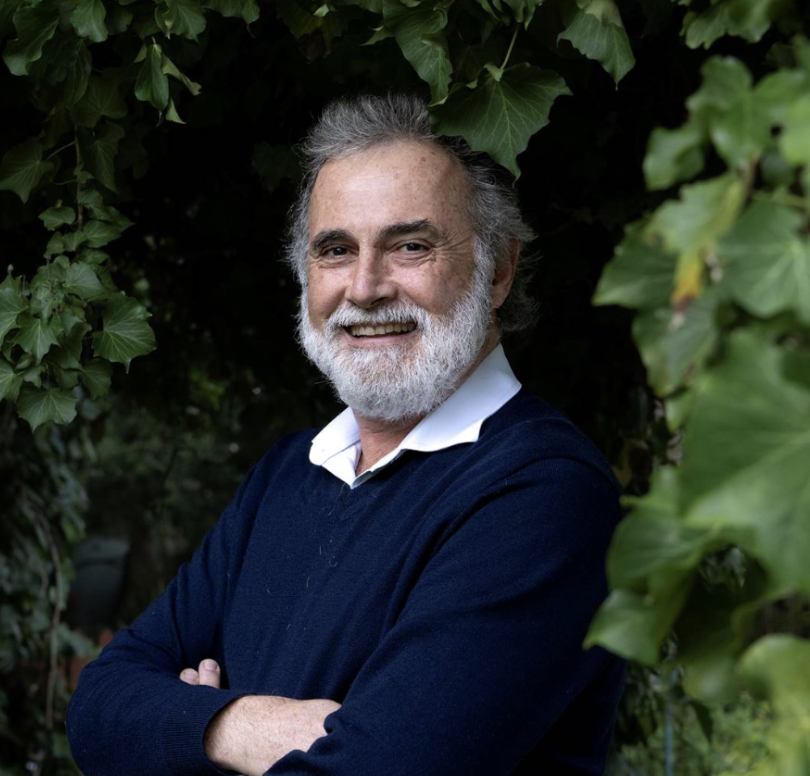

Cormac Cullinan
Cormac, author of Wild Law (the book), is the founder and managing director of the Wild Law Institute.
Cormac attributes his love of the wild to the many hours he spent wandering the hills and forests around his family home in Pietermaritzburg, South Africa, and to the influence of his parents. He became an environmental lawyer and drafted environmental policies, laws and treaties in many countries, in the belief that better laws could prevent the accelerating destruction of Nature.
However he began to realize that most legal systems are designed to legitimize the exploitation of the community of life and that the destruction will continue while we define all of Nature as the property of humans instead of recognizing that every member of the community of life has the right to exist and flourish.
After meeting Thomas Berry and hearing his call for the development of a new jurisprudence (philosophy of law), in 2002 Cormac wrote Wild Law: A manifesto for Earth Justice which expresses a vision of Earth Jurisprudence based on the understanding that the purpose of legal systems must be to guide humans to nurture mutually beneficial relationships with the other members of the Earth Community instead of exploiting them. Since writing Wild Law he has been active in building a global movement strong enough to drive system change. He lead the drafting of the Universal Declaration of the Rights of Mother Earth (proclaimed in Bolivia in 2010), is a founder and executive committee member of the Global Alliance for the Rights of Nature (GARN) and a judge of the International Tribunal for the Rights of Nature.
Georgina Campbell
Georgina is a designer, facilitator, and researcher whose work is rooted in emergent processes, exploring how mindsets shape the worlds we create. A graduate of Schumacher College with an MA in Ecological Design Thinking, brings a deeply sensitive approach to working with complexity – acknowledging the invisible, tending to relationships, and fostering more inclusive, care-focused realities. Alongside her work with Schumacher College, and the Schumacher Magazine Project, she is currently working with the Wild Law Institute in reimaging the law to account for the whole community of life.
Her background spans Engineering, Architecture, Environmental Design, Art, and Small Business Management, allowing her to navigate the intersections of design, group dynamics, and ecological paradigm shifts. She is particularly interested in how we cultivate resilient and adaptive collective nervous systems to meet the uncertainty of our times, as well as the role of play and imagination in the healing of society and the transformative potential of education.
Collaborating with an inspiring network of practitioners and organizations, her work (whether consulting, designing, or engaging in thought-provoking conversations) is guided by a commitment to regenerative and relational ways of being.
Frequently Asked Questions
-
This course is designed for anyone interested in exploring how societies might coexist harmoniously with other beings in ways that enrich human wellbeing through contributing to the health of the whole Earth community, including:
● Anyone curious about the Rights of Nature movement and Earth-centred futures
● Environmental and social justice activists
● Educators, researchers and students
● Environmental lawyers and legal practitioners
● Policymakers and governance professionals
● Conservation practitioners and NGO professionals
● Artists, storytellers and cultural practitioners
● Community leaders and organisers
No prior legal knowledge is required, only a curiosity, an openness to new ways of thinking, and a desire to contribute to a more just and thriving relationship between humans and the living world.
-
Everyone is welcome to join this course.
No prior legal knowledge or professional experience is required. Participants are invited to bring curiosity, openness and a willingness to explore different ways of understanding law, governance and our relationship with the more-than-human world.
-
Participants are expected to attend the weekly live online sessions.
Each session will last two hours.
Alongside the live sessions, participants will be invited to undertake a small amount of personal reflection and practice each week, including time in Nature, journalling and engagement with the shared course map.
Additional readings, resources and references will be provided for those who wish to explore the topics more deeply.
-
No specific materials needed.
What Participants Say…
“xxx”