Practice Through The Land
Cultivating Attentive Relationship with Place
14th - 16th May, 2027
Immersive Residential, South Devon UK
What happens when we use our hands to get to know a place? This immersive weekend with Ushaw Residency prize winner, Tamsin Loxley, offers thoughtful and innovative creative exploration through walking, noticing, researching and making with the land.
Key Information
-
Immersive Residential - South Devon UK
-
14th - 16th May, 2027
-
£ 390 - £ 525
-
This is a 3 day immersive residential course.
Course Overview
This course explores how we can understand land through creative practice. Through walking, observing, recording, listening, researching and making, we develop a slow, attentive relationship with place.
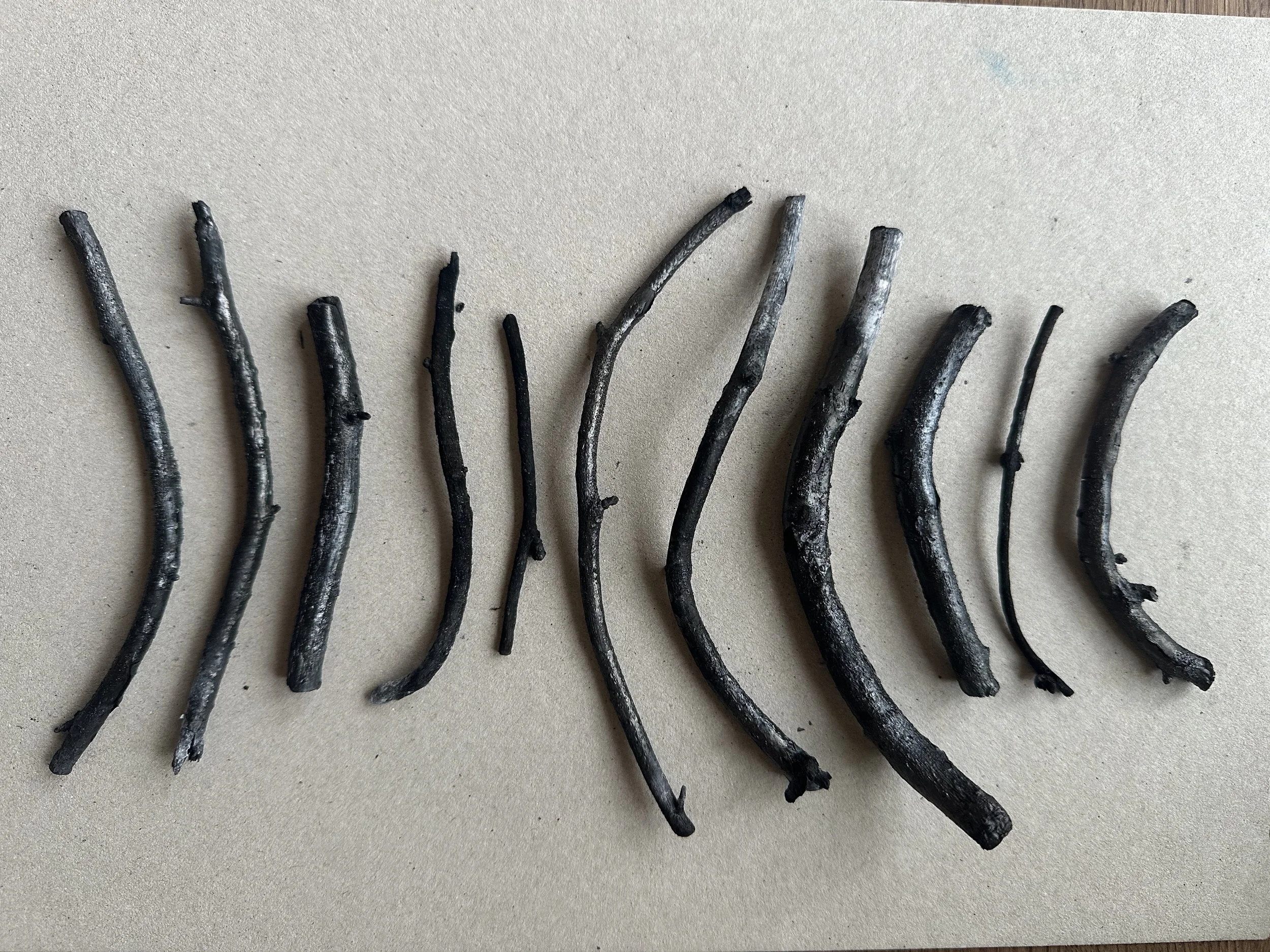
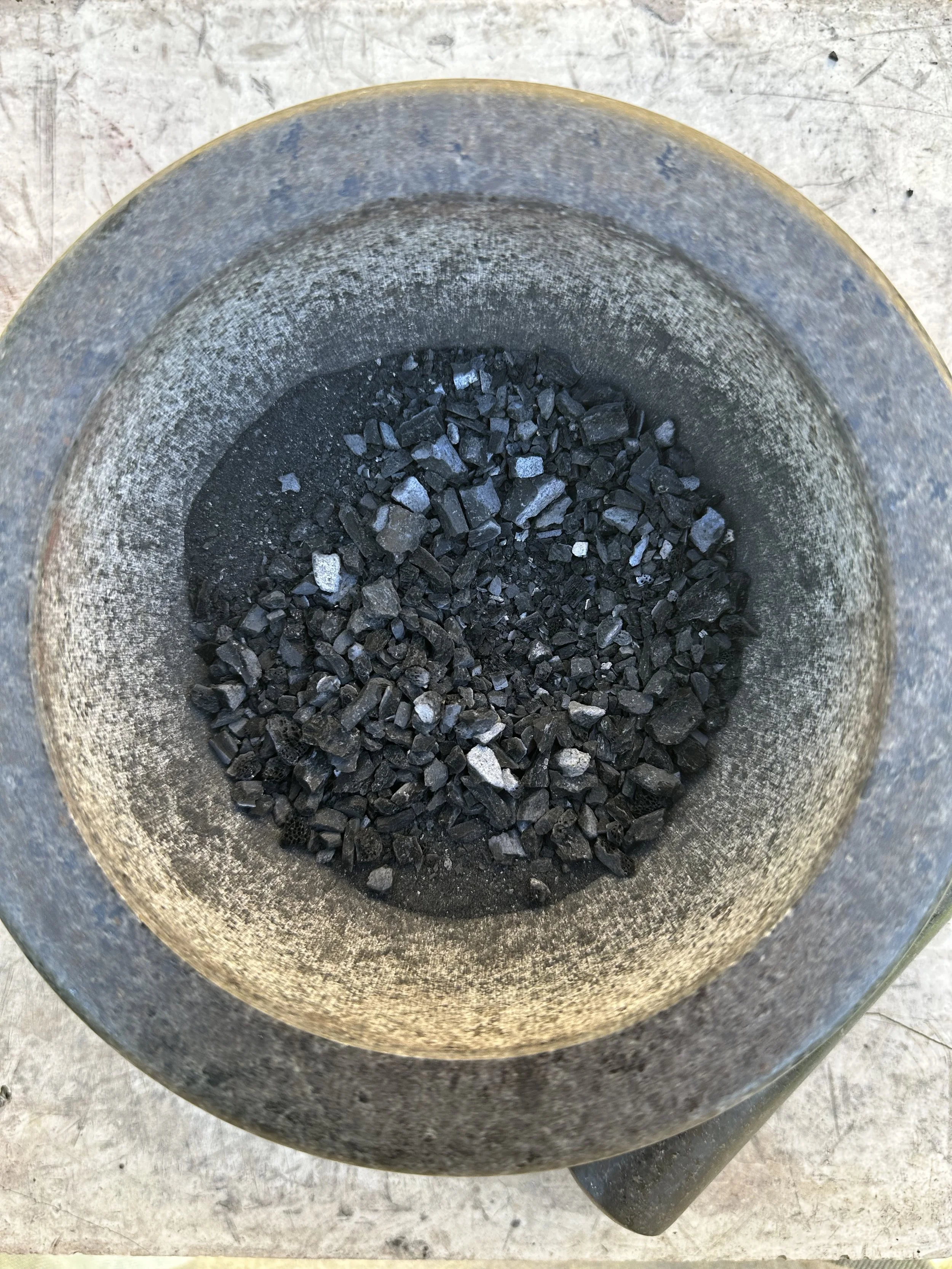
Keeping a visual and written journal, we will work with materials from the land. Together, we’ll explore charcoal making and earth as material, discovering how gathering and handling materials becomes a way of knowing. By noticing changes and signs in the landscape, we begin to read the stories held within the land and its materials. These materials, unpredictable and alive, become both medium and record of place.
Over the weekend, we will move from observation and gathering towards interpretation and making. We will consider what it means to build a reciprocal relationship with land and how the body becomes a way of knowing. It is not separate from the land; it is part of it. Land is not simply a subject for making work, but an active participant. Participants will leave with a working method they can continue in their own practice.
Course Structure
This is a 3 day immersive course, in relationship with the land, along with other participants and Schumacher staff. The course is exploratory and emergent in nature, and we will spend significant time outside in reciprocity with the earth, as well as within indoor communal spaces. We practice community living on all our courses, meaning we care for each other and place. You will be invited to participate in daily activities such as cooking, place making and morning meetings.
Day 1 - Friday 14th May
Arriving and paying attention: Together we will walk the land, attentively observe, explore ways of working with place, and make charcoal.
Day 2 - Saturday 15th May:
Gathering and understanding: We will spend considered time in the landscape, observing, listening, recording and gathering materials. We will explore soil and earth as material.
Day 3 - Sunday 16th May:
Responding and making: Bringing together the materials and observations through drawing, collaborative mark-making and developing a way of working.
Why Join This Course?
The course begins from the understanding that we are part of the living systems and places that sustain us, yet much of contemporary life has distanced us from direct experience of land, soil, materials and the more-than-human world. Creative practice offers one way of beginning to rebuild that relationship.
The course brings together head, heart and hands: knowledge gathering and research, the embodied experience of walking and handling materials, practical skills, making and reflection. Rather than treating land simply as a subject to look at or a resource to use, we work directly with place and allow it to influence the way we think, make and respond.
More than ever, we believe we need to learn to appreciate the land that sustains us, feel rooted in our landscapes (rural or urban) and develop a sense of responsibility for the places we live near – whether that is a farm, a garden or a local park.
Paying attention builds knowledge; knowledge develops understanding; understanding leads to informed caring. As Simone Weil wrote, “Attention is the rarest and purest form of generosity.” The course offers a simple starting point: before we can care for a place, we need to notice it. Before we can take responsibility for it, we need to begin to know it.
Accommodation and Community
You will be held by the presence of the River Dart, rolling hills and ancient woodland at a beautiful location in our local bioregion of South Devon. You will live in community with others and come together over shared meals and activities that harness joy, relaxation, and connection. Our vegetarian food is freshly and lovingly prepared on site, and we can cater to many dietary requirements needed. More information will be shared nearer to the start of the course.
Being in community with each other is a unique and important part of the Schumacher College experience. It is an opportunity to not only build deep connections with each other and the more-than-human world, it enables both students and staff to come together to offer care and support for each other and the place that holds us.
Fee
Non Residential: £390
Shared: £460
Single: £525
Facilitators
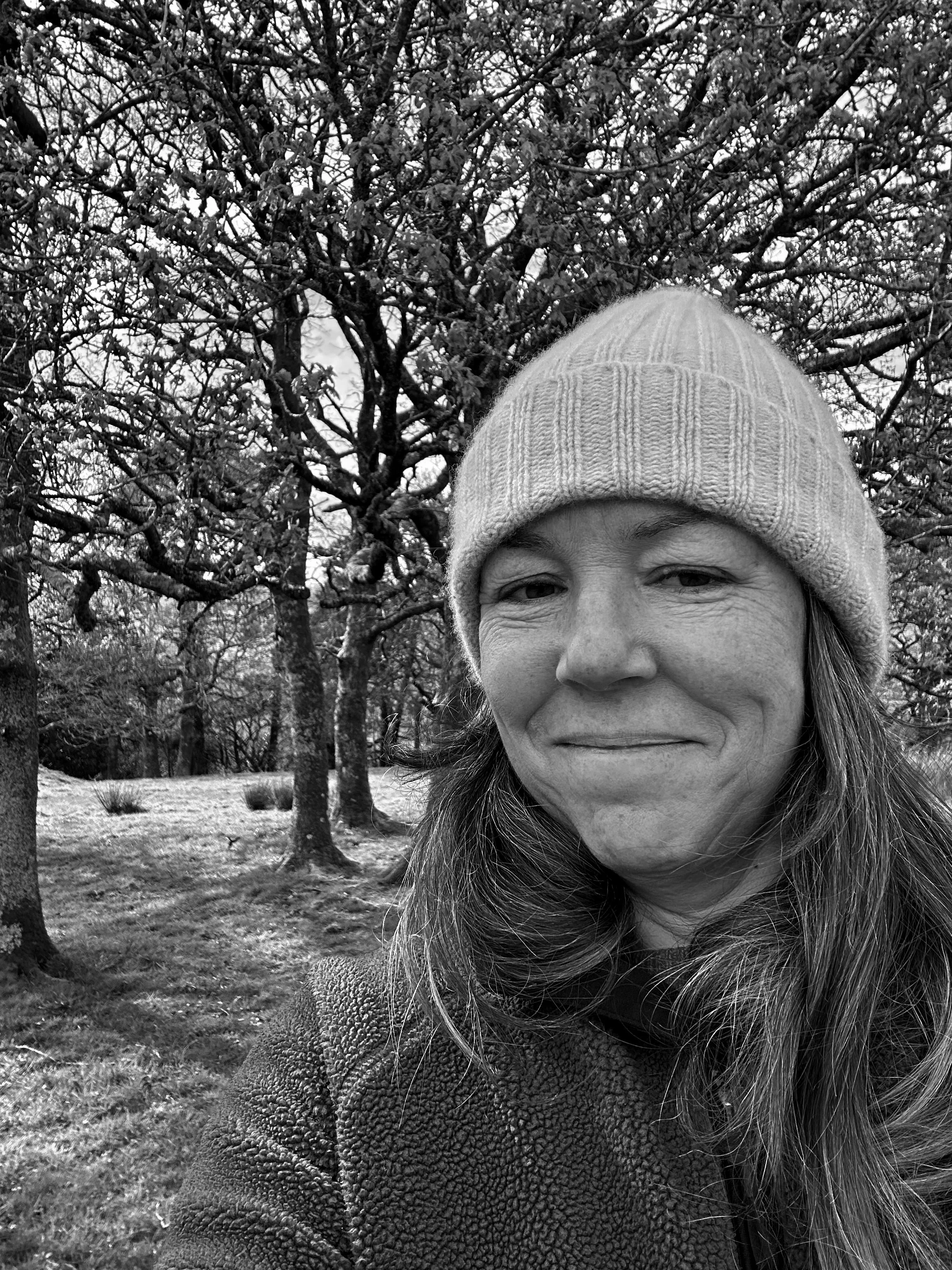
Tamsin Loxley
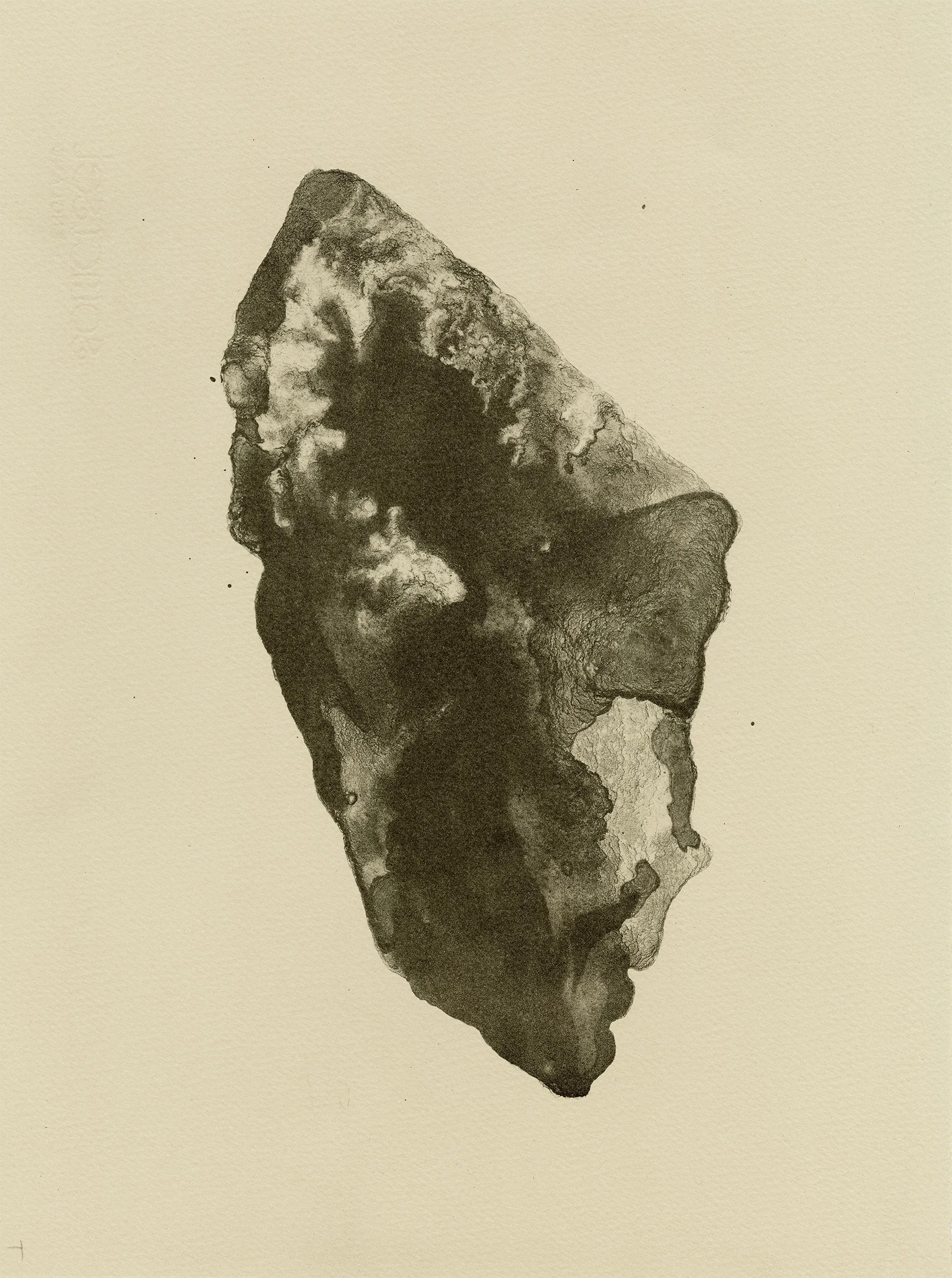
Tamsin Loxley is a multidisciplinary artist working across material research, printmaking, sculpture and archives. Her practice is rooted in a long-term engagement with a regenerative 34-acre site in East Devon, where creative practice and land stewardship are intertwined.
Working with materials gathered from the land, including soil, plants, wood, bone and wool, she explores how making can become a way of paying attention, building knowledge and developing a deep relationship with place. Her work is an ongoing dialogue with the land, shaped by its materials, histories and changing ecologies.
Tamsin recently completed an MA in Print at the Royal College of Art, supported by a Leverhulme Trust Scholarship. Her recent awards and residencies include the Ushaw Residency Prize, a residency at Ushaw House, the Society of Antiquaries Maker-in-Residence programme and the Woolwich Contemporary Print Fair RCA Graduate Award. Alongside her studio practice, she leads land-based creative programmes, including The Language of the Land with Land Art Collective.
Frequently Asked Questions
-
This course is for anyone interested in developing a more attentive relationship with the places they inhabit, and willing to explore through observation, experimentation and making. You don't need to think of yourself as an artist - just bring a sense of curiosity and a willingness to work with others.
-
No previous artistic experience is necessary, just a willingness to experiment and an openness to working outdoors and with others. Please let us know if you have any specific needs and we’ll do our very best to ensure you feel fully welcomed and cared for.
-
This is an immersive weekend course, running from Friday afternoon to Sunday afternoon. There will be a combination of guided walks, observation, discussion and practical workshops, with some activities taking place outdoors. Each day offers a full agenda. We invite you to participate with presence but understand there are sometimes personal needs that need attending to.
-
Please bring clothing and footwear suitable for being outdoors and getting messy. Springtime weather in the UK can be changeable so please check the forecast before arriving to pack appropriately and include a waterproof in case of rain. A sketchbook or journal, something to write or draw with, a sit mat, water bottle, flask and apron may also be useful.
“The name of our proper connection to the earth is 'good work,' for good work involves much giving of honor. It honors the source of its materials; it honors the place where it is done; it honors the art by which it is done; it honors the thing that it makes and the user of the made thing.” - Wendell Berry